English
 Polish
Our Research
The fourth division (BP4) of The Fundamental Research Department (Departament Badań Podstawowych) deals with research in astrophysics and astronomy, mainly their observational aspects. The BP4 division is located in Warsaw at 7 Pasteura street.
The research conducted at the Astrophysics Laboratory includes:
- Cosmology: CMB, large structures of the Universe, dark matter, non-standard cosmology and gravitational lensing
- Gravitational waves: Multi-messenger astronomy, new tools for cosmology
- Physics of galaxies: Formation and evolution of galaxies, AGN, quasars and gamma-ray burst
- Interstellar medium: Star formation, neutron stars and white dwarfs
The BP4 division is also involved in several international projects. Check our Scientific Projects page for more information.
Seminars
Upcoming seminars for all of NCBJ can be found here.
The seminar archive for NCBJ can be found here.
Latest News
Scroll down for the latest news about the research done by our division or click here.
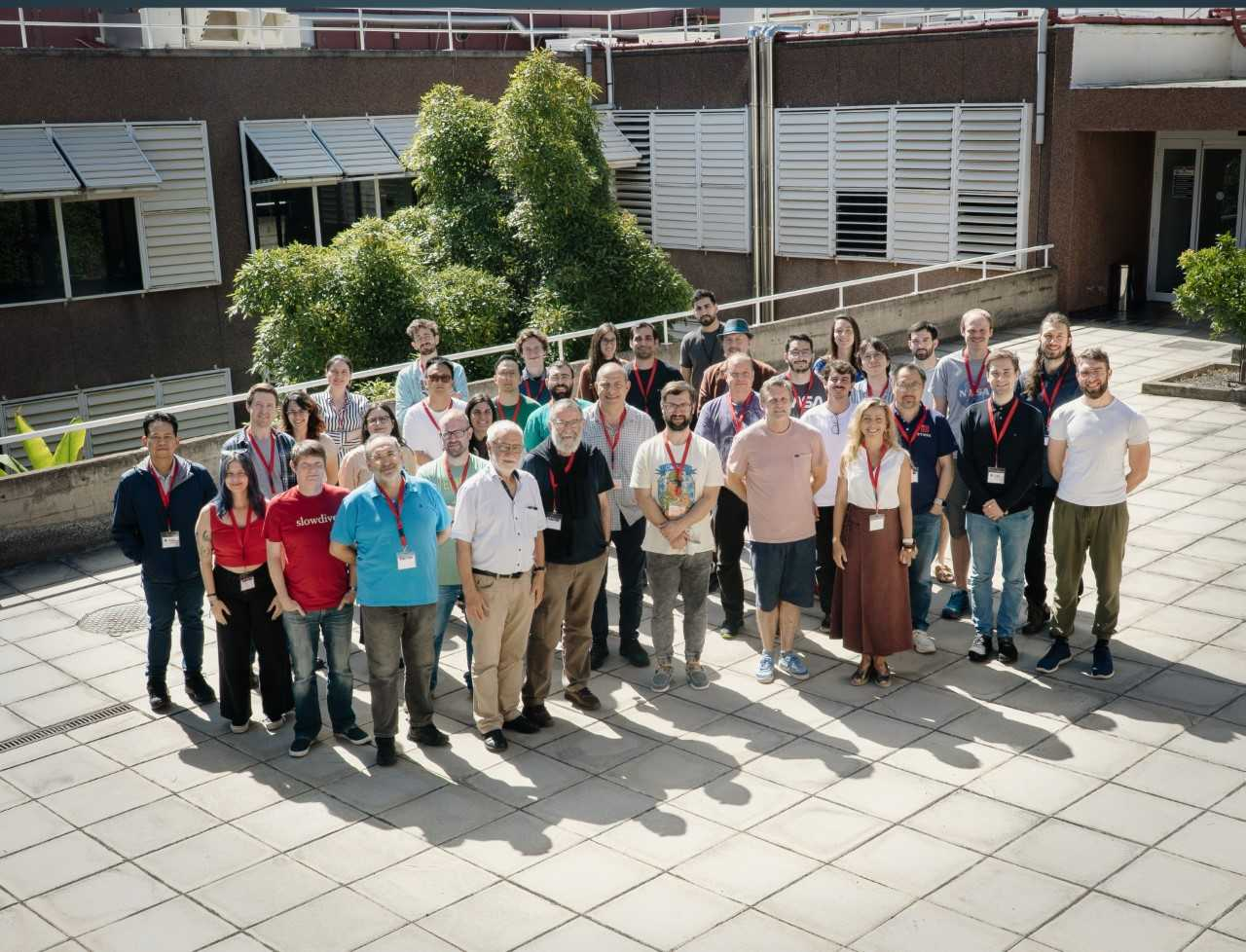
VISTULA Workshop
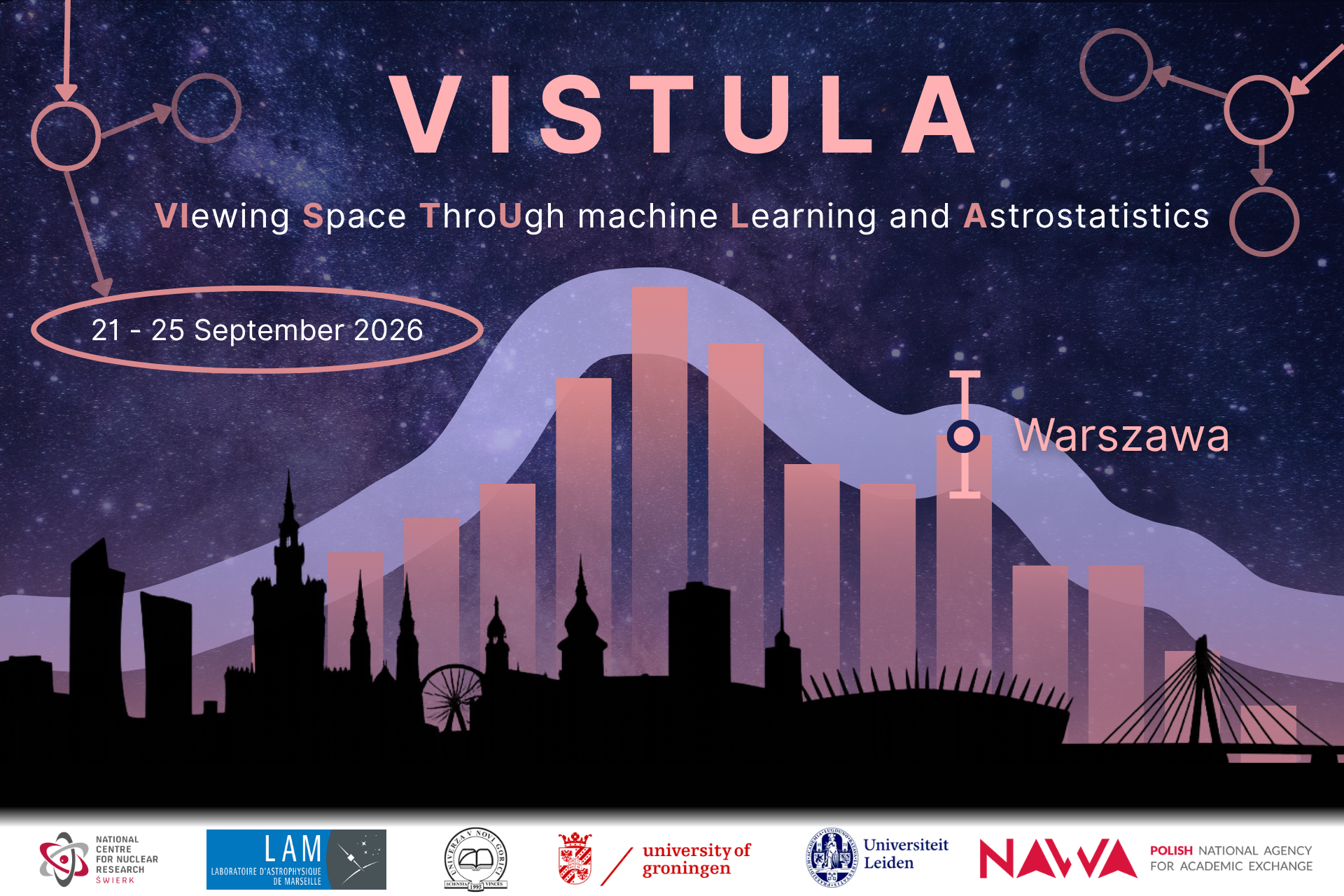
The workshop is organized as part of the project CLEVER: Cosmology & GaLaxy EVolution In The New ObsErving ProgRammes. Project founded by the Strategic Partnership project BPI/PST/2024/1/00019 by NAWA – Polish National Agency For Academic Exchange.
The rationale
Machine learning and modern statistical methods are becoming central tools in astrophysics and cosmology, from survey data reduction and photometric redshifts to time‑domain discovery, image classification and parameter inference. This workshop offers a structured introduction to statistical foundations and machine learning concepts.
The goal of this workshop is to provide a structured, beginner‑friendly entry point to machine learning and advanced statistics in astrophysics, while progressively reaching more advanced topics. The format will combine morning lectures with afternoon hands‑on sessions in which participants work through concrete astrophysical use cases under the guidance of the invited speakers and local tutors.
The workshop is aimed at Master’s students, early‑stage PhD students and junior researchers from NCBJ, the University of Warsaw, and the CLEVER partner institutions. It will explicitly welcome participants with limited prior exposure to machine learning, provided they are comfortable with basic programming (e.g. Python) and standard statistical concepts. By the end of the workshop, participants should be able to: understand the main families of machine learning methods used in current astrophysical research; critically assess when a machine‑learning approach is appropriate; implement and evaluate simple models on real data; and recognise common pitfalls such as overfitting, data leakage and biased training sets.
The invited speakers span a broad range of applications including galaxy formation and evolution, large‑scale surveys, time‑domain and transient astronomy, exoplanets and cosmology.
Hosted in Warsaw as part of the CLEVER-NAWA partnership , the workshop will strengthen training and collaboration across the network by bringing together students, junior researchers, and invited experts for a hands-on introduction to machine learning and advanced statistics in astrophysics.
Invited speakers:
- Ting-Yun Cheng (Kapteyn Astronomical Institute in Groningen)
- Antonio La Marca (Leiden Observatory, European Space Agency)
- Alex Razim (Centre for Astrophysics and Cosmology, Nova Gorica)
- Carlo Schimd (Laboratoire d’Astrophysique de Marseille)
- Will J. Pearson (National Centre for Nuclear Research)
For more info, or to register for the workshop, CLICK HERE
Conference Participation
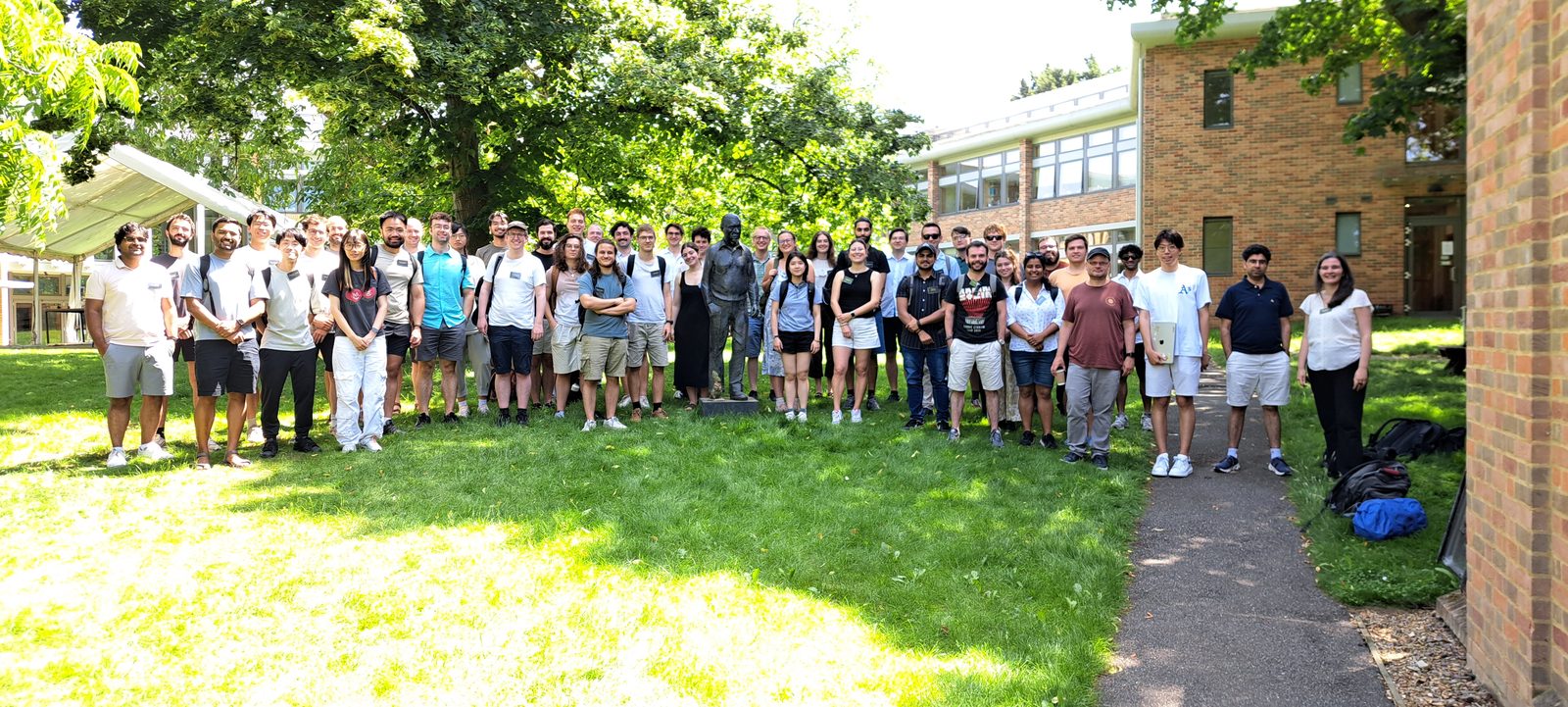
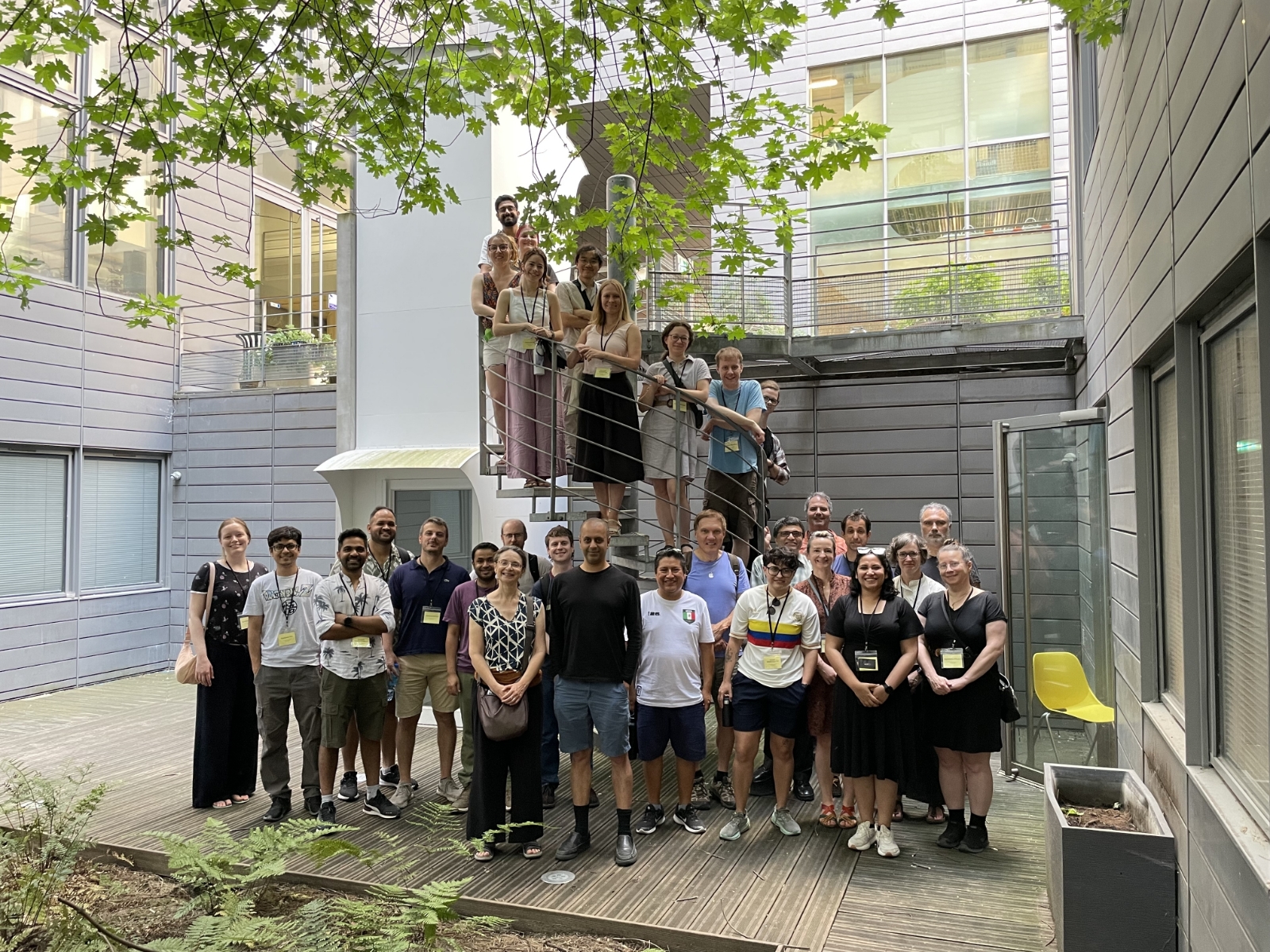
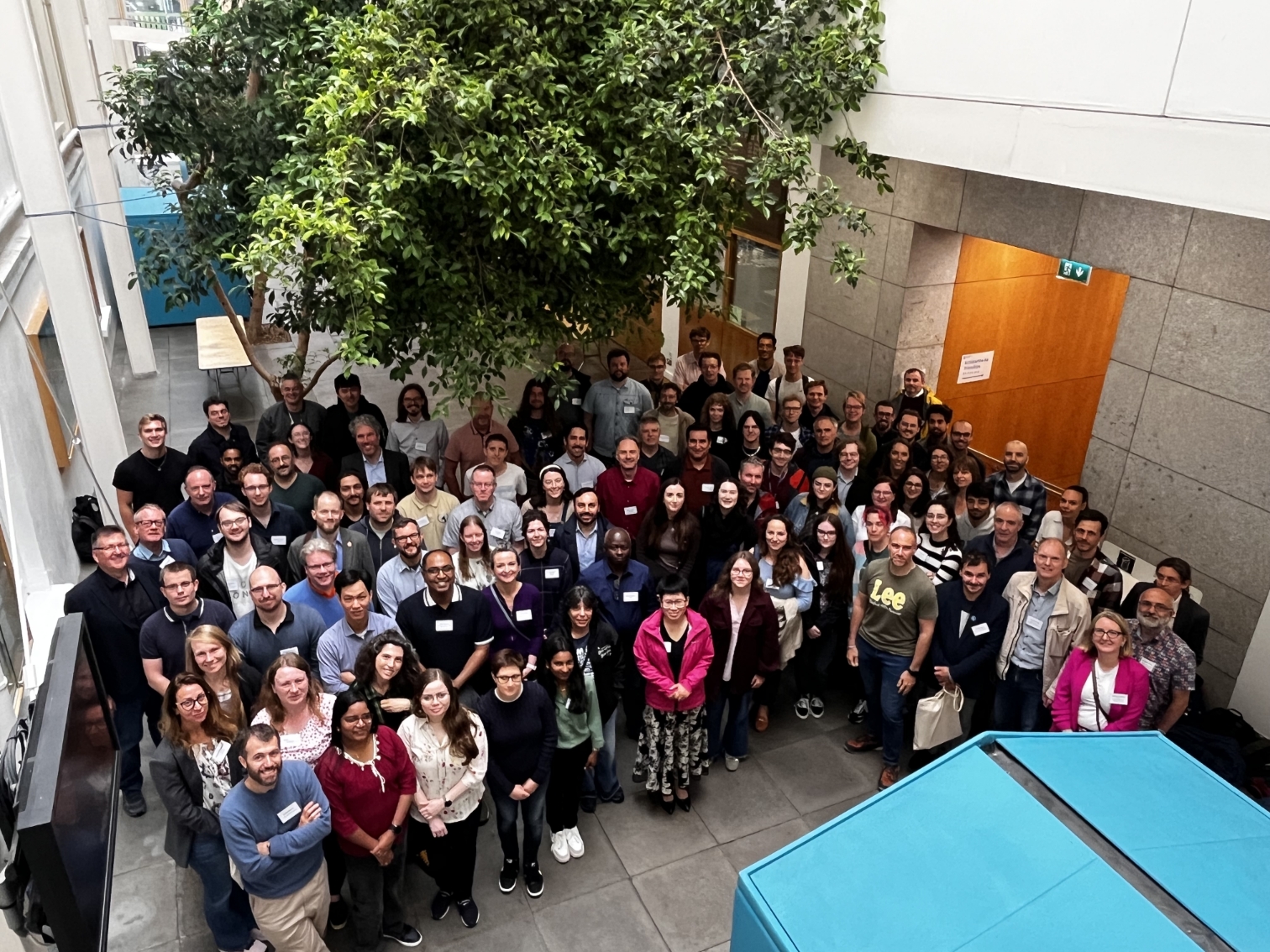
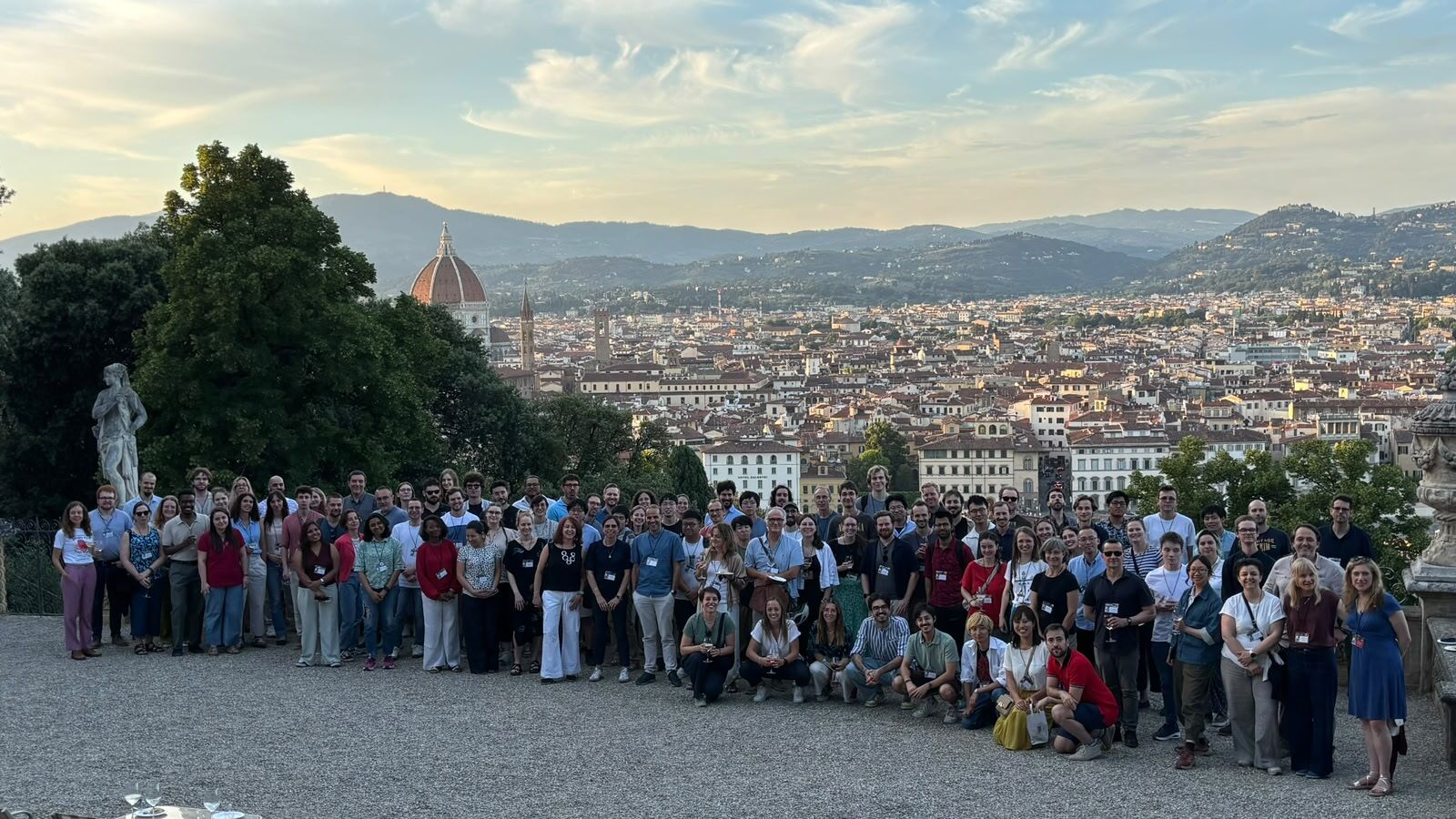
BP4 participate in many national and international conferences. We share our cutting edge research and enthusiasm with other astronomers across the world. Below are pictures from our trips across the globe over the last year or so.
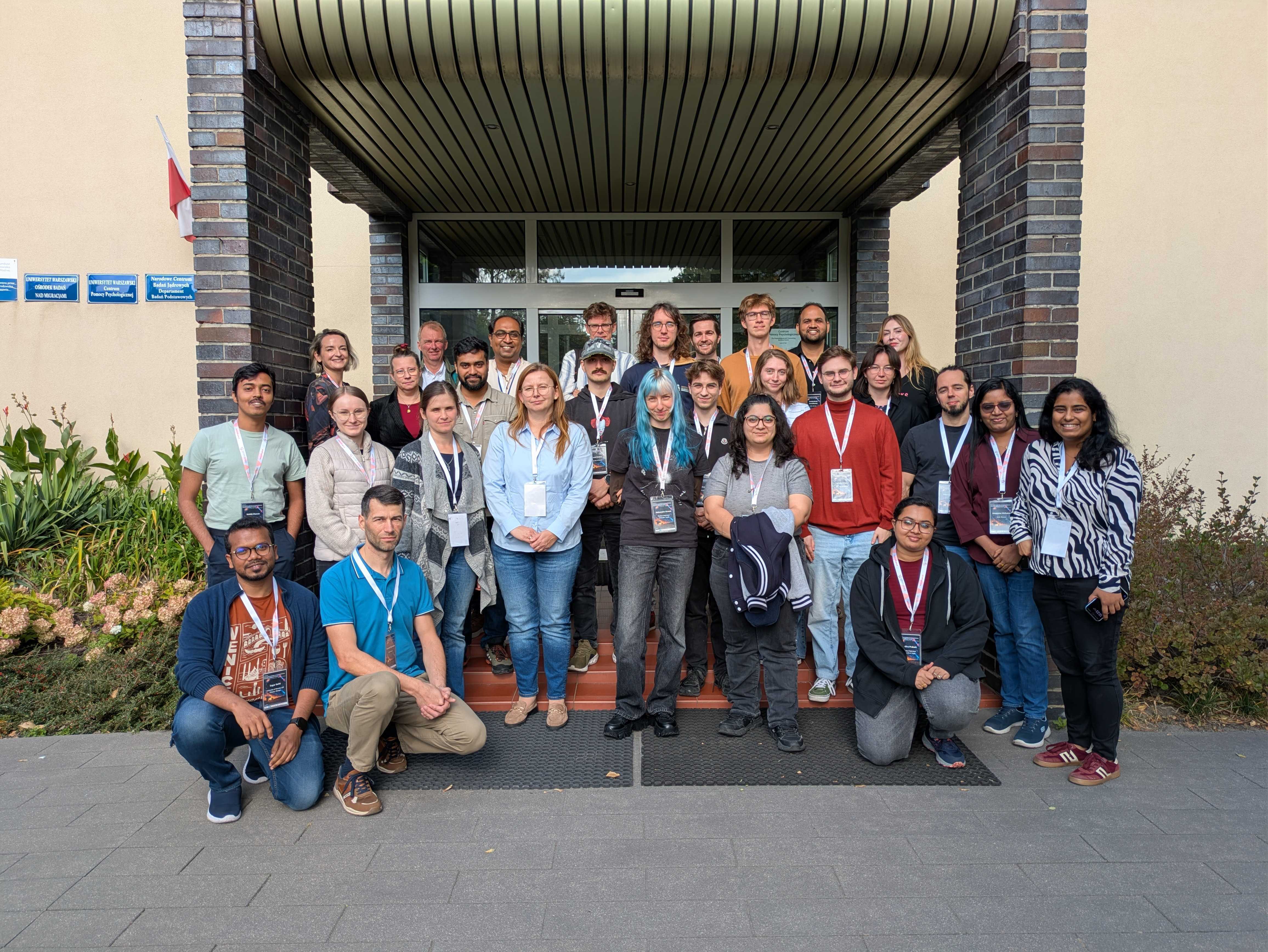
Warsaw, Poland
5-7 October 2026
Organised by NCBJ BP4 as part of CLEVER
Invited Speakers:
Pratik Dabhade and
Katarzyna Małek
SOC members:
Pratik Dabhade and
Katarzyna Małek
LOC members:
Kshitij Chavan,
Subhrata Dey,
Anna Durkalec,
Anupama Mohanan, and
Unnikrishnan Sureshkumar
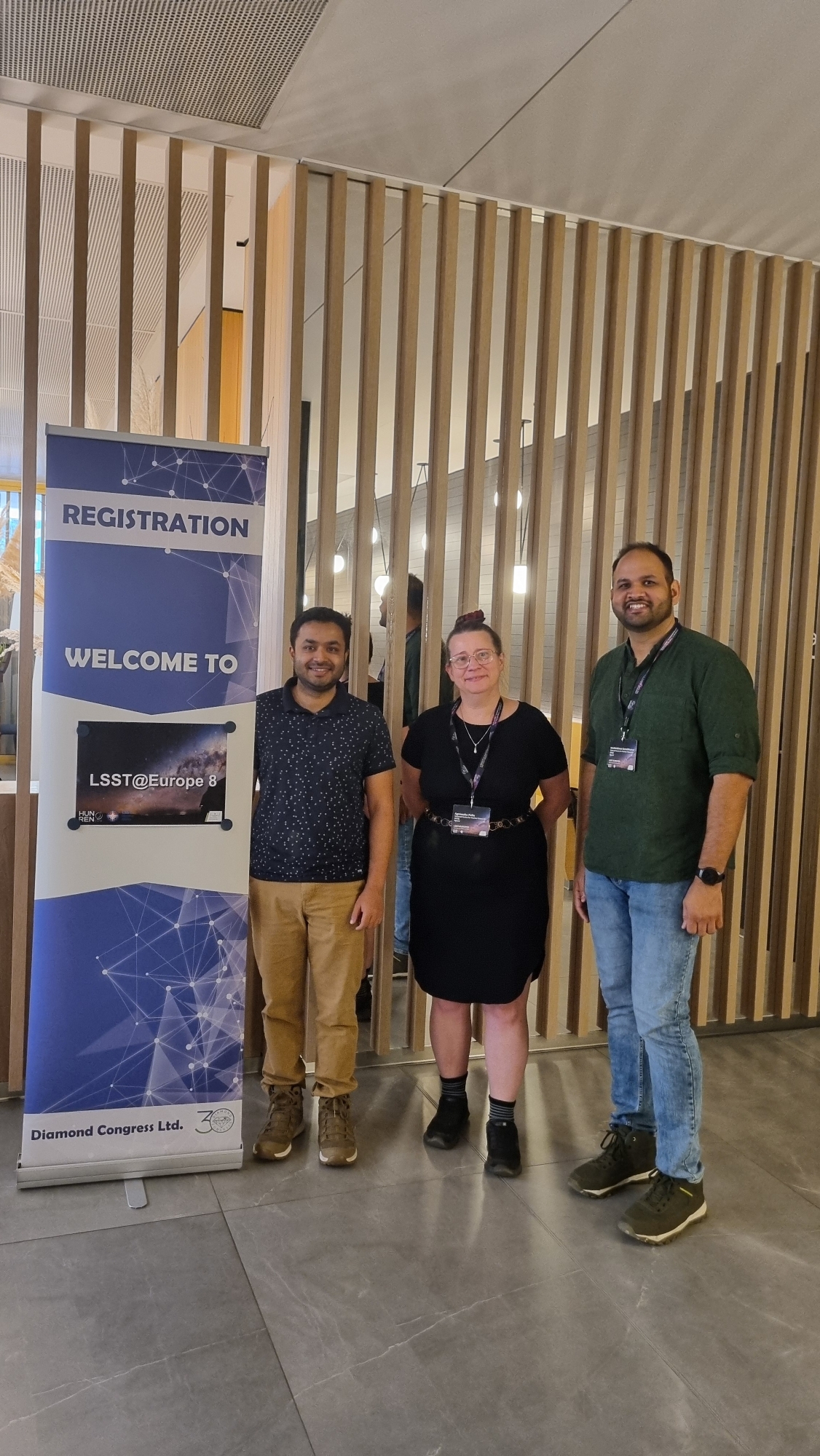
Budapest, Hungary
27 September - 2 October 2026
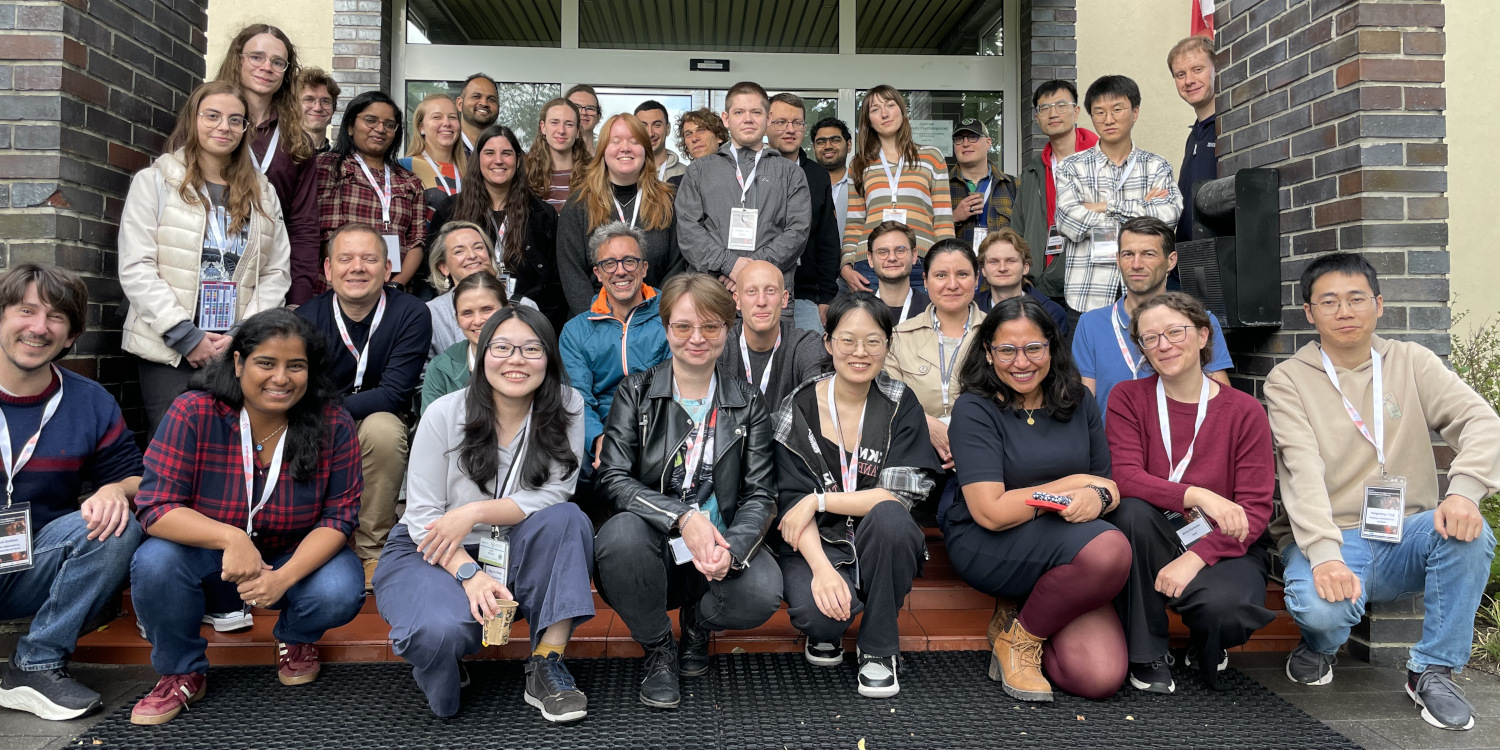
Warsaw, Poland
21-25 September 2026
Organised by NCBJ BP4 as part of CLEVER
Invited speaker:
William Pearson
SOC members:
Paweł Bielewicz (Chair),
Subhrata Dey,
Miguel Figueira,
Nandini Hazra,
Mariana Jaber,
Katarzyna Małek,
William Pearson, and
Antonio Vanzanella.
LOC members:
Paweł Bielewicz (co-chair),
Nicola Principi Cavaterra,
Aidan Cotter,
Kishan Deka,
Subhrata Dey (co-chair),
Orest Dorosh,
Anna Durkalec,
Paweł Siegmund,
Unnikrishnan Sureshkumar, and
Antonio Vanzanella.
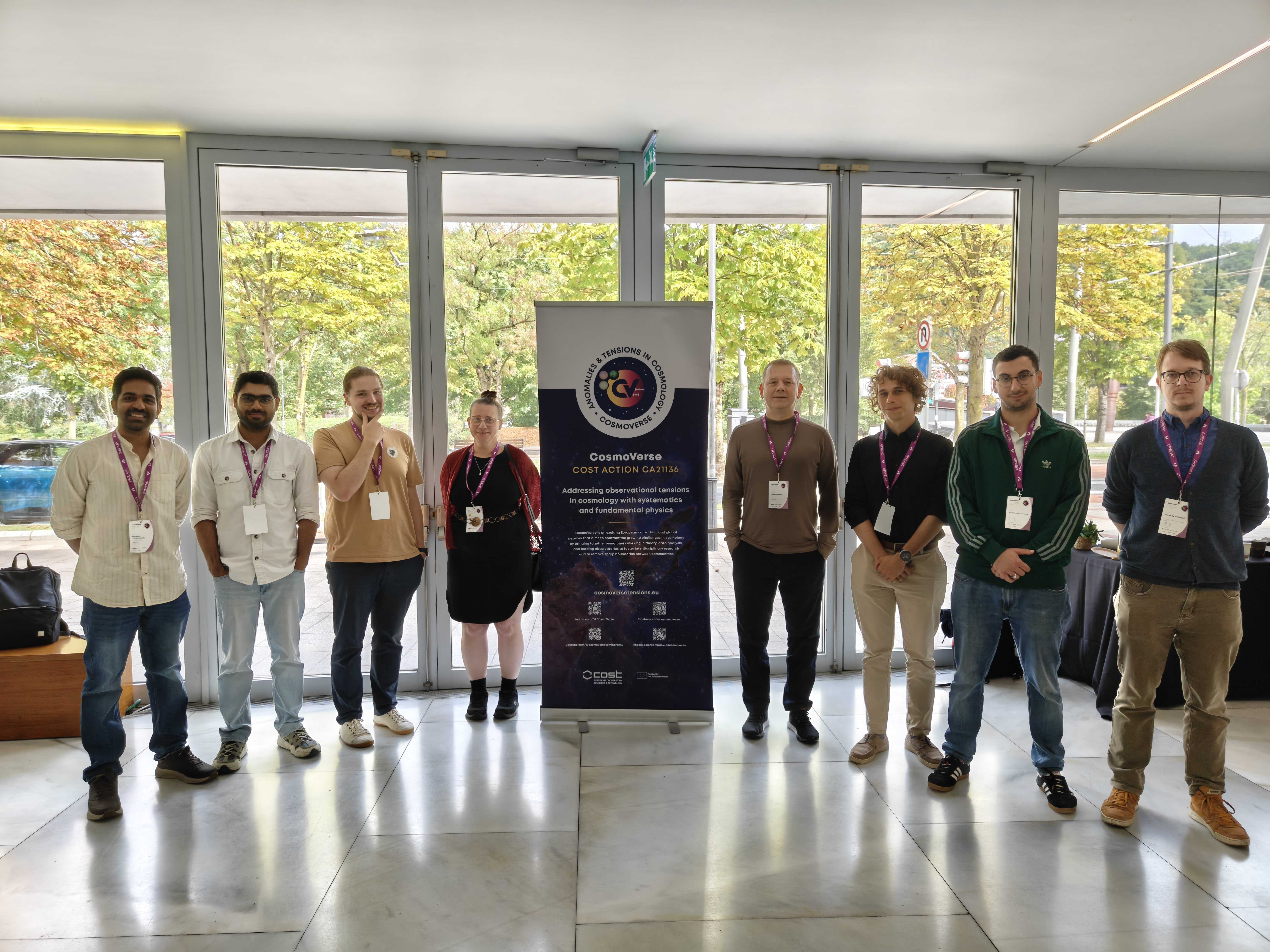
Bilbao, Poland
15-18 September 2026
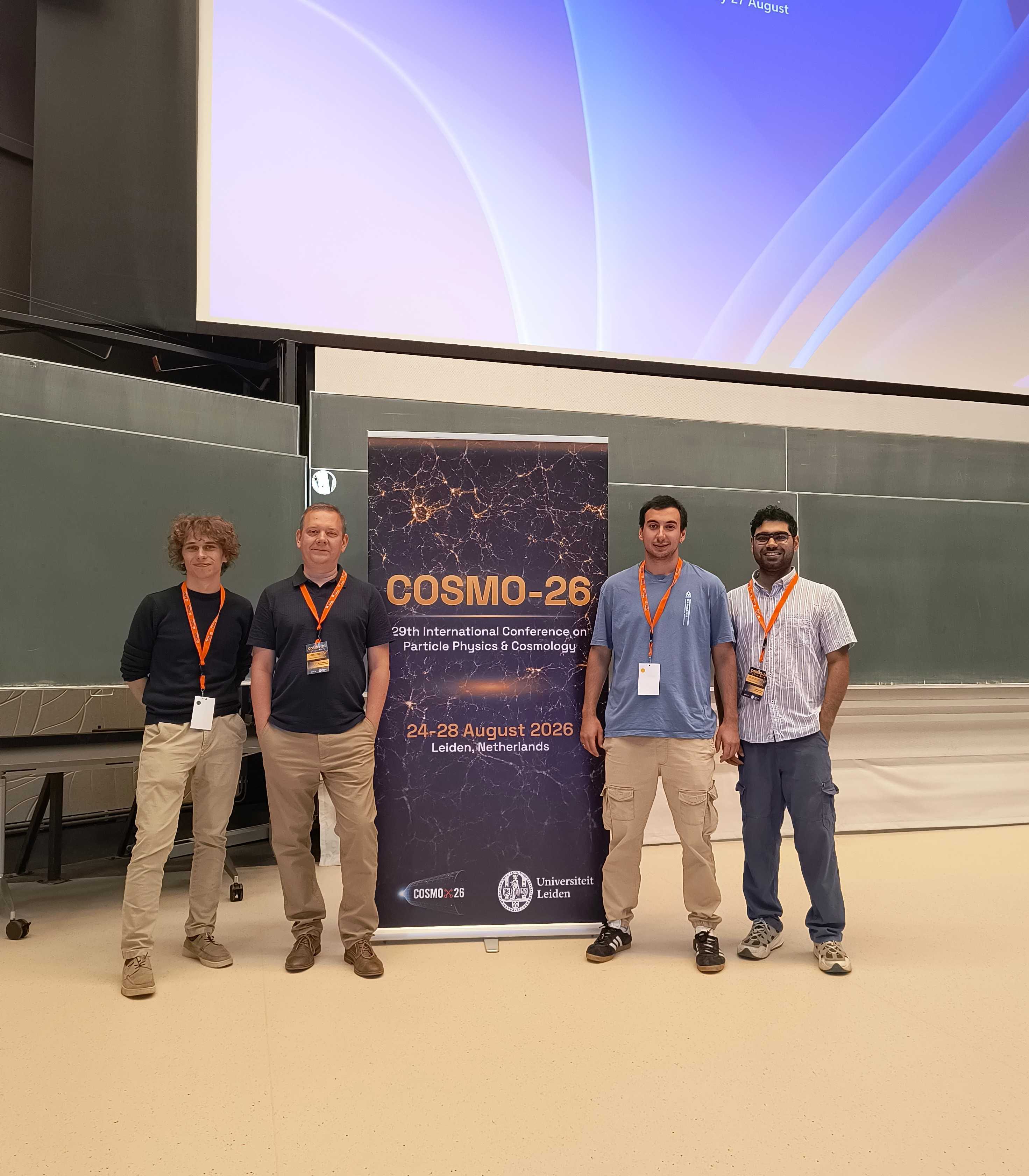
Leiden, The Netherlands
24-28 August 2026
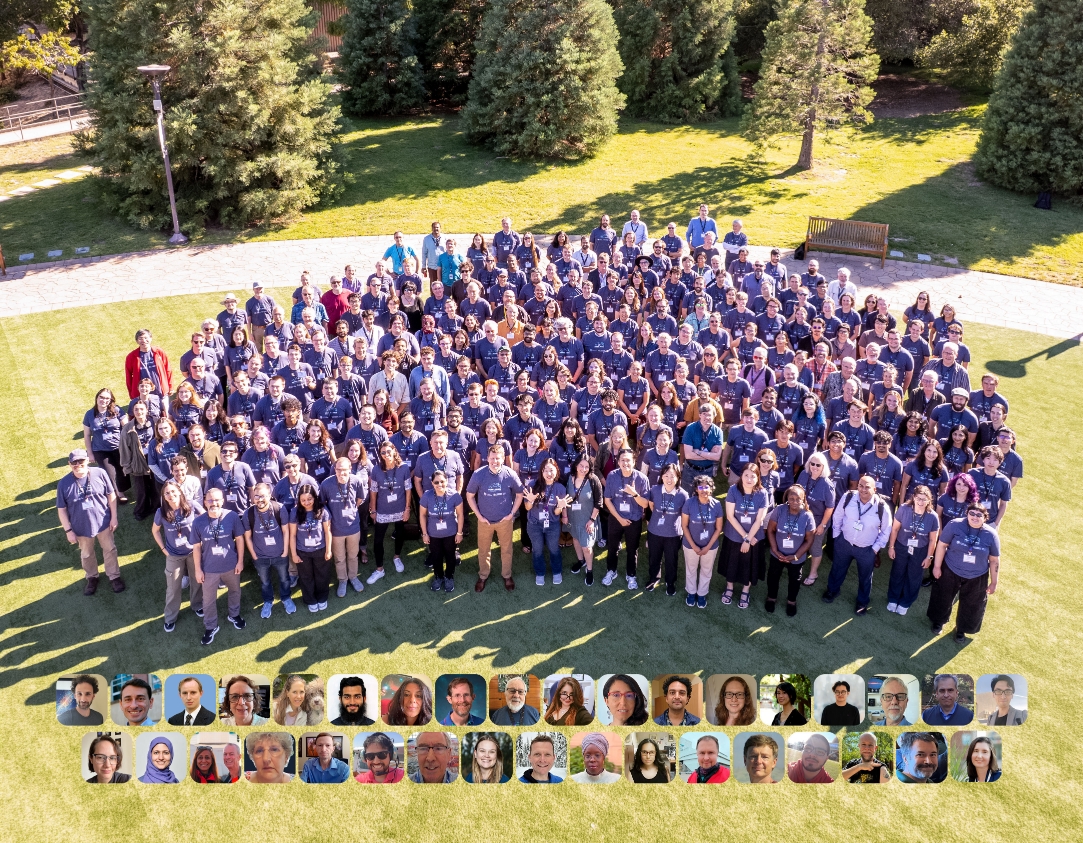
SLAC, Menlo Park, California, USA
27-31 July 2026
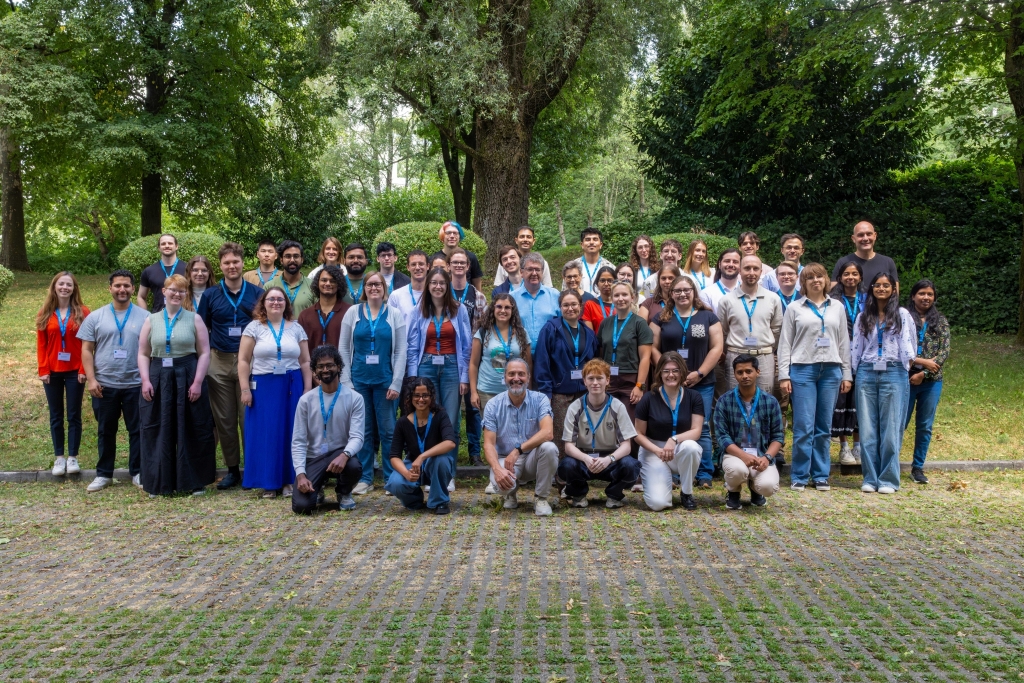
Garching, Germany
20-24 July 2026
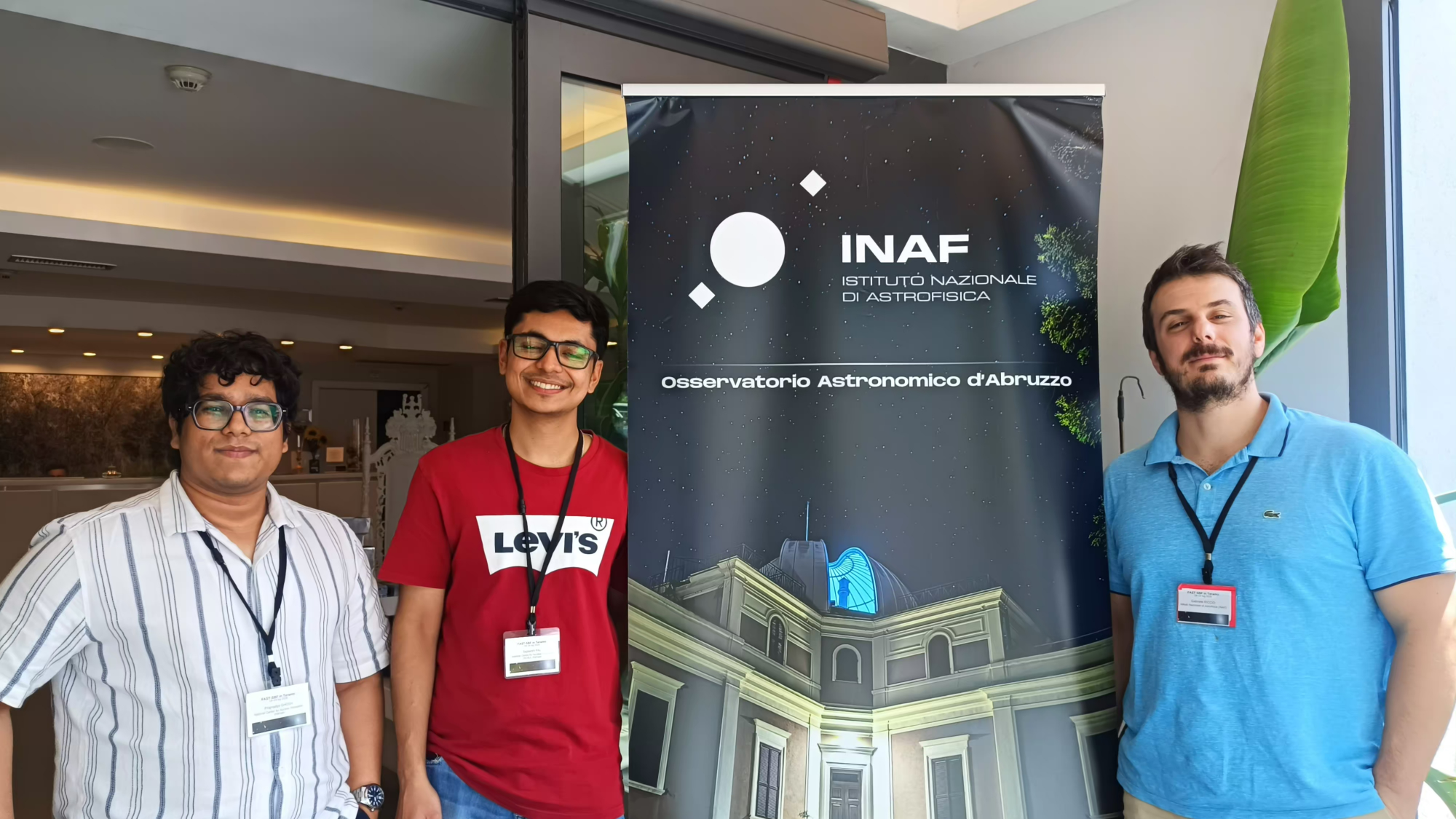
Teramo, Italy
20-23 July 2026
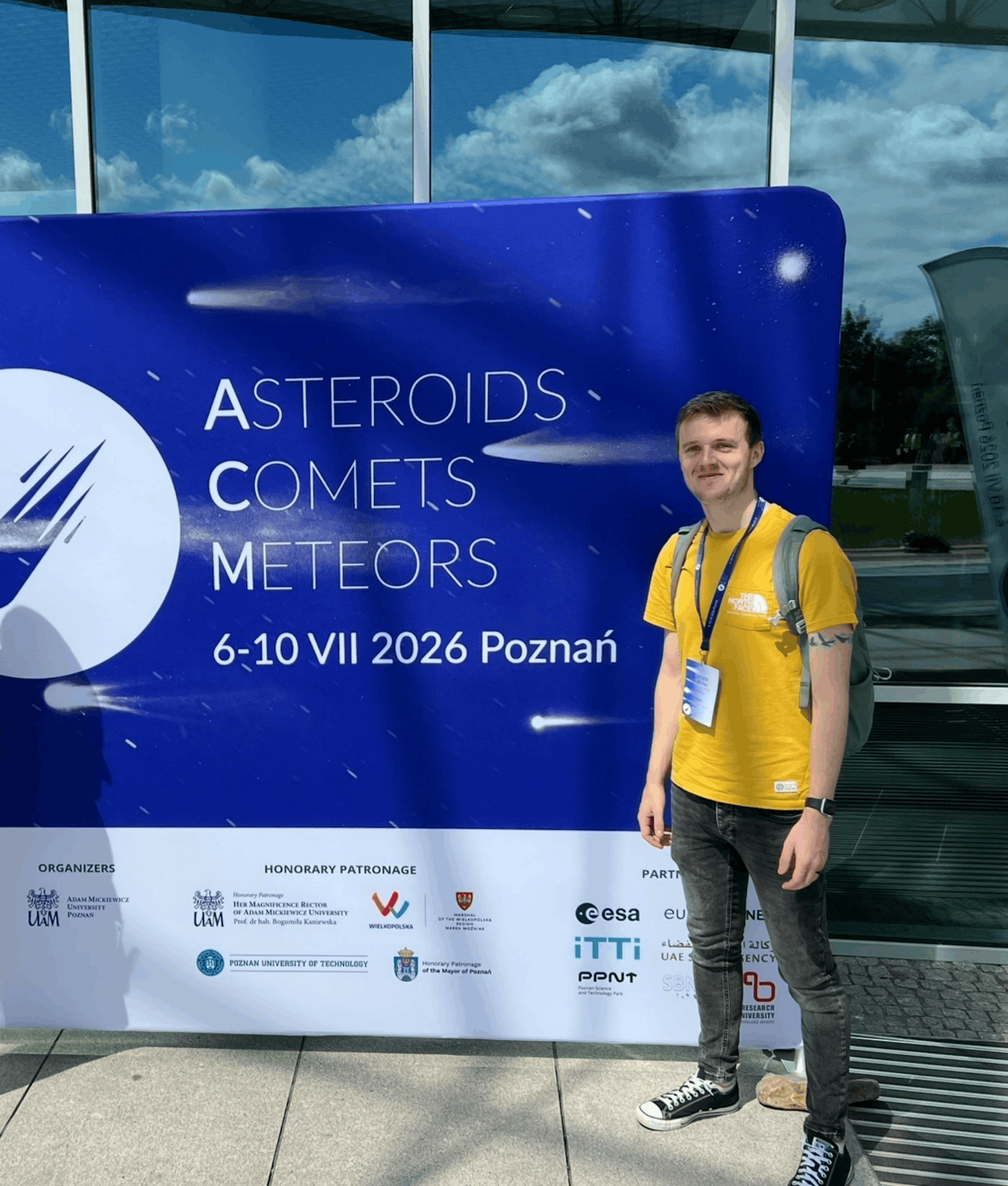
Poznań, Poland
6-10 July 2026
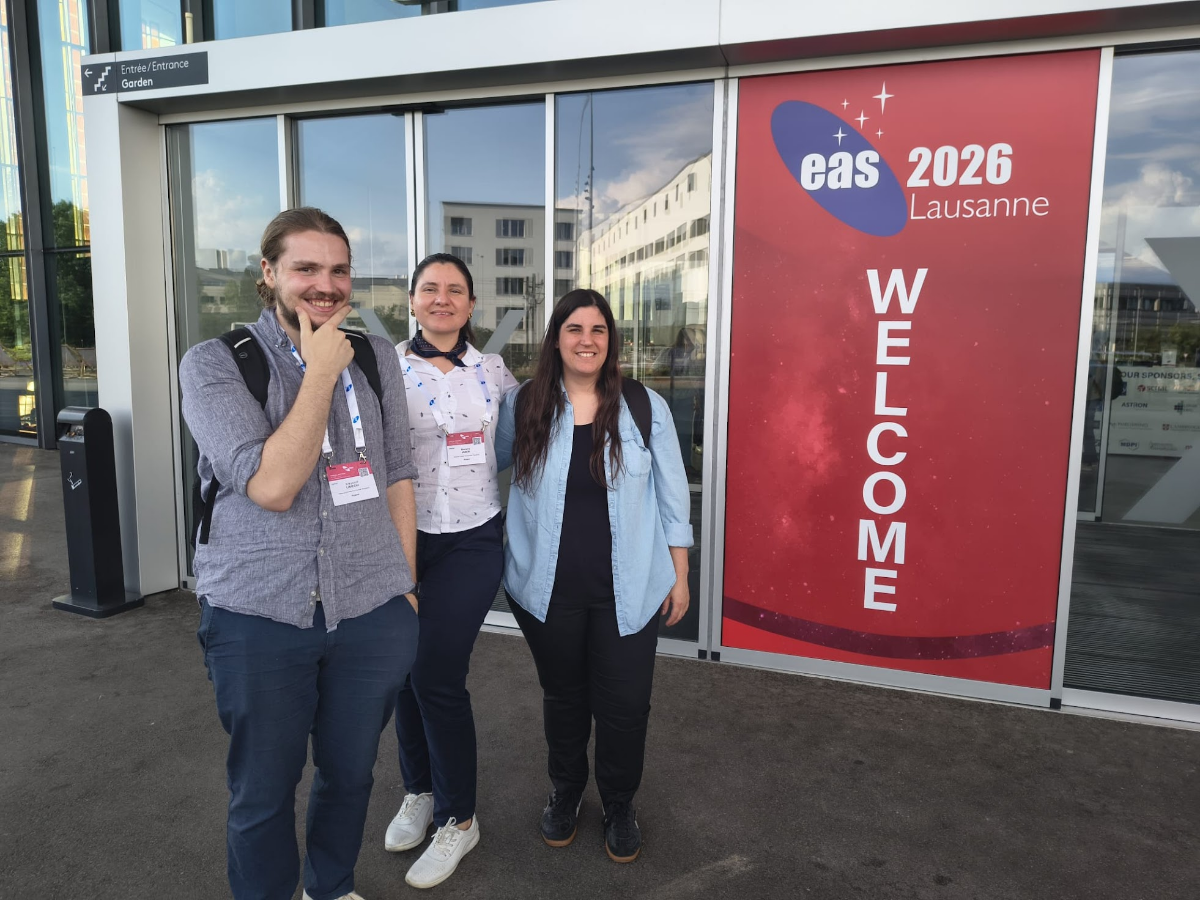
Lausanne, Switzerland
29 June - 3 July 2026
Latest News
NCBJ scientists awarded for achievements in fundamental research
During the Special Seminar of the NCBJ's Department of Fundamental Research, the awards of the Department's Director for the greatest scientific achievements of the past year were awarded in accordance with tradition. This time, awards were given for research into the role of dust in the evolution of galaxies, reflections on classical and quantum gravity, and work on symmetry violation in the decay of beauty mesons. The event took place on 30 June.

Katarzyna Małek, Head of the Astrophysics Division was awarded the title of Professor
Katarzyna Małek, Head of the Astrophysics Division of the National Centre for Nuclear Research, was awarded the title of Professor of Natural Sciences in the discipline of astronomy in March 2025. Our sincere congratulations!
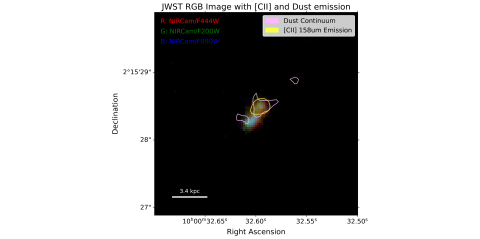
ALMA observations unveils the chemical composition of galaxies in the early Universe
New research indicates that early galaxies contain large amounts of gas and dust, essential for star formation, more than theoretical models would indicate. In a recently published paper, a team of scientists from the NCBJ Astrophysics Division used observations from the ALPINE-ALMA program to investigate the presence of gas and dust in galaxies that formed within the first billion years after the Big Bang.
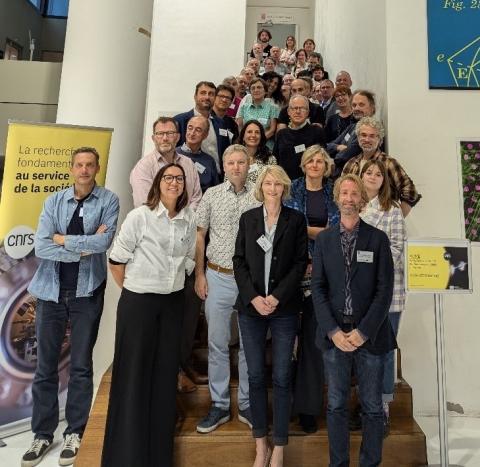
The kick-off of the Astrophysics Centre for Multimessenger studies in Europe ACME, an EU-funded project built by and for the astroparticle and the astronomy communities
With 40 world-class collaborating institutions from 14 countries, ACME brings together the astroparticle and astronomy communities in a joint effort to forge a basis for strengthened long-term collaboration between these research infrastructures irrespective of location and level up access opportunities across Europe and beyond. The National Centre for Nuclear Research node is one of the most active partners of the ACME consortium.
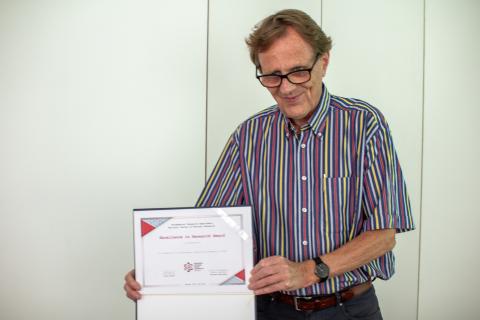
Last year's best achievements in basic research
On Monday, June 24, 2024, a Special Colloquium of the Fundamental Research Department of the National Centre for Nuclear Research was held, during which awards for achievements in 2023 were presented. The jury distinguished research on low brightness galaxies and for attempts to explain phenomena occurring during collisions of relativistic ions. Popular science stories and essays in which the author managed to hide his fascination with discovering the universe were also honored.
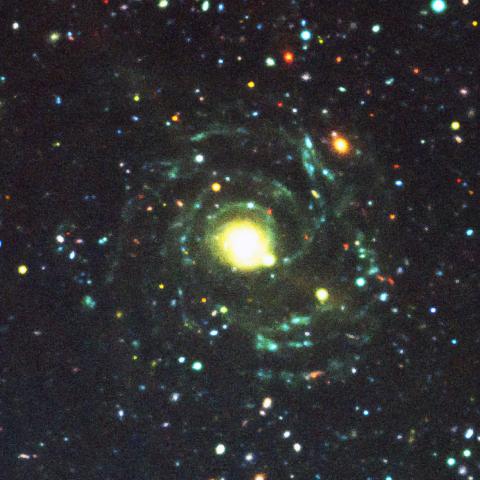
Barely visible galaxies are the key to understanding the Universe
When we look at the night sky, we cannot free ourselves from questions. We wonder if it is possible to count the stars. We imagine how great a distance separates us from them. When we realize what a light year actually is, we are surprised to discover that we are actually looking into the further or closer past. Scientists from the National Center for Nuclear Research experience a similar fascination, looking for answers to these and other questions about how the Universe looks and works. In the coming years, this search will be able to be more effective thanks to the project „ Barely visible: low surface brightness galaxies in the LSST era” under the supervision of Prof. dr hab. Agnieszka Pollo financed by the National Science Center under the MAESTRO program.