English
 Polish
Our Research
The fourth division (BP4) of The Fundamental Research Department (Departament Badań Podstawowych) deals with research in astrophysics and astronomy, mainly their observational aspects. The BP4 division is located in Warsaw at 7 Pasteura street.
The research conducted at the Astrophysics Laboratory includes:
- Cosmology: CMB, large structures of the Universe, dark matter, non-standard cosmology and gravitational lensing
- Gravitational waves: Multi-messenger astronomy, new tools for cosmology
- Physics of galaxies: Formation and evolution of galaxies, AGN, quasars and gamma-ray burst
- Interstellar medium: Star formation, neutron stars and white dwarfs
The BP4 division is also involved in several international projects. Check our Scientific Projects page for more information.
Seminars
Upcoming seminars for all of NCBJ can be found here.
The seminar archive for NCBJ can be found here.
Latest News
Scroll down for the latest news about the research done by our division or click here.
VISTULA Workshop
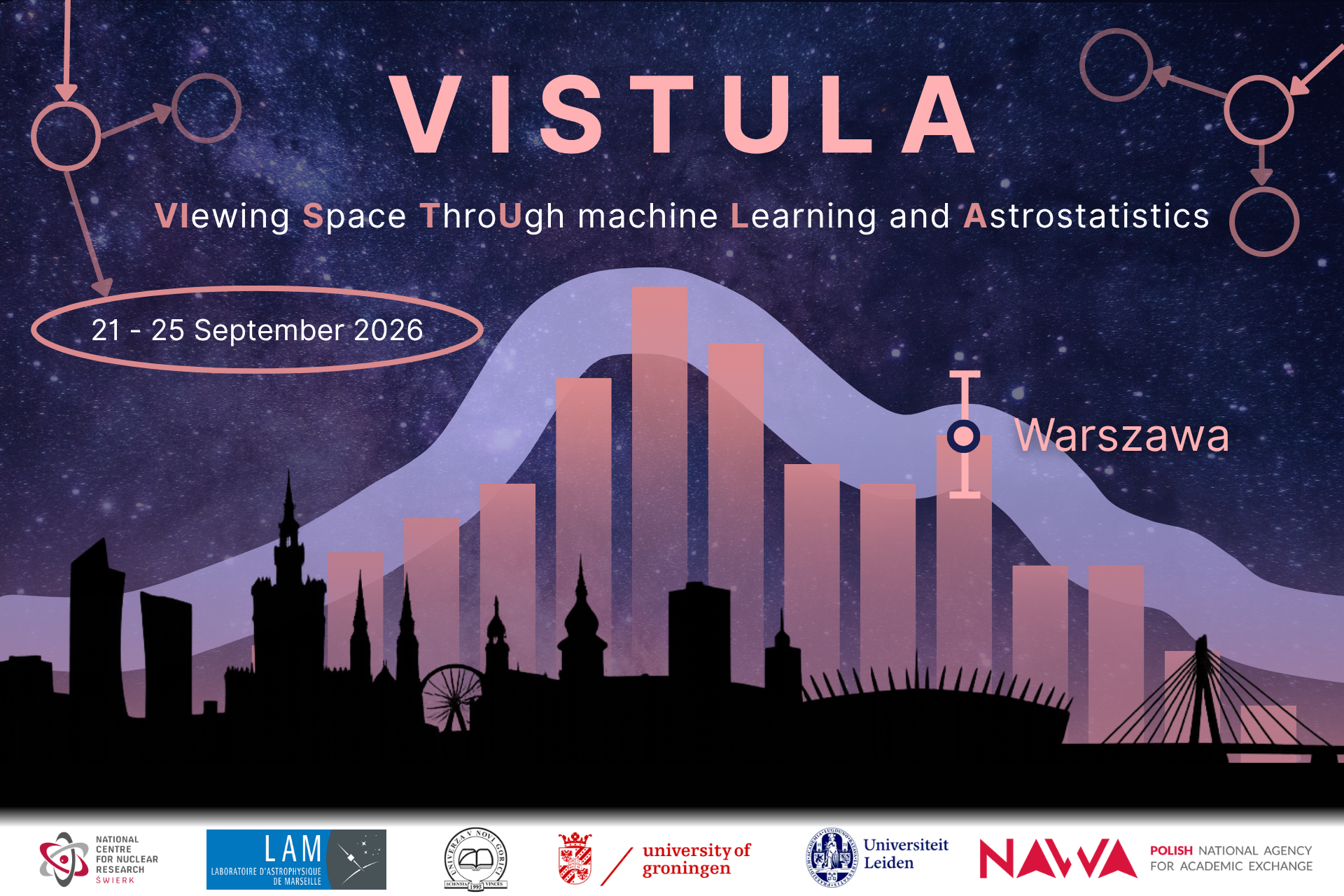
The workshop is organized as part of the project CLEVER: Cosmology & GaLaxy EVolution In The New ObsErving ProgRammes. Project founded by the Strategic Partnership project BPI/PST/2024/1/00019 by NAWA – Polish National Agency For Academic Exchange.
The rationale
Machine learning and modern statistical methods are becoming central tools in astrophysics and cosmology, from survey data reduction and photometric redshifts to time‑domain discovery, image classification and parameter inference. This workshop offers a structured introduction to statistical foundations and machine learning concepts.
The goal of this workshop is to provide a structured, beginner‑friendly entry point to machine learning and advanced statistics in astrophysics, while progressively reaching more advanced topics. The format will combine morning lectures with afternoon hands‑on sessions in which participants work through concrete astrophysical use cases under the guidance of the invited speakers and local tutors.
The workshop is aimed at Master’s students, early‑stage PhD students and junior researchers from NCBJ, the University of Warsaw, and the CLEVER partner institutions. It will explicitly welcome participants with limited prior exposure to machine learning, provided they are comfortable with basic programming (e.g. Python) and standard statistical concepts. By the end of the workshop, participants should be able to: understand the main families of machine learning methods used in current astrophysical research; critically assess when a machine‑learning approach is appropriate; implement and evaluate simple models on real data; and recognise common pitfalls such as overfitting, data leakage and biased training sets.
The invited speakers span a broad range of applications including galaxy formation and evolution, large‑scale surveys, time‑domain and transient astronomy, exoplanets and cosmology.
Hosted in Warsaw as part of the CLEVER-NAWA partnership , the workshop will strengthen training and collaboration across the network by bringing together students, junior researchers, and invited experts for a hands-on introduction to machine learning and advanced statistics in astrophysics.
Invited speakers:
- Ting-Yun Cheng (Kapteyn Astronomical Institute in Groningen)
- Antonio La Marca (Leiden Observatory, European Space Agency)
- Alex Razim (Centre for Astrophysics and Cosmology, Nova Gorica)
- Carlo Schimd (Laboratoire d’Astrophysique de Marseille)
- Will J. Pearson (National Centre for Nuclear Research)
For more info, or to register for the workshop, CLICK HERE
Conference Participation
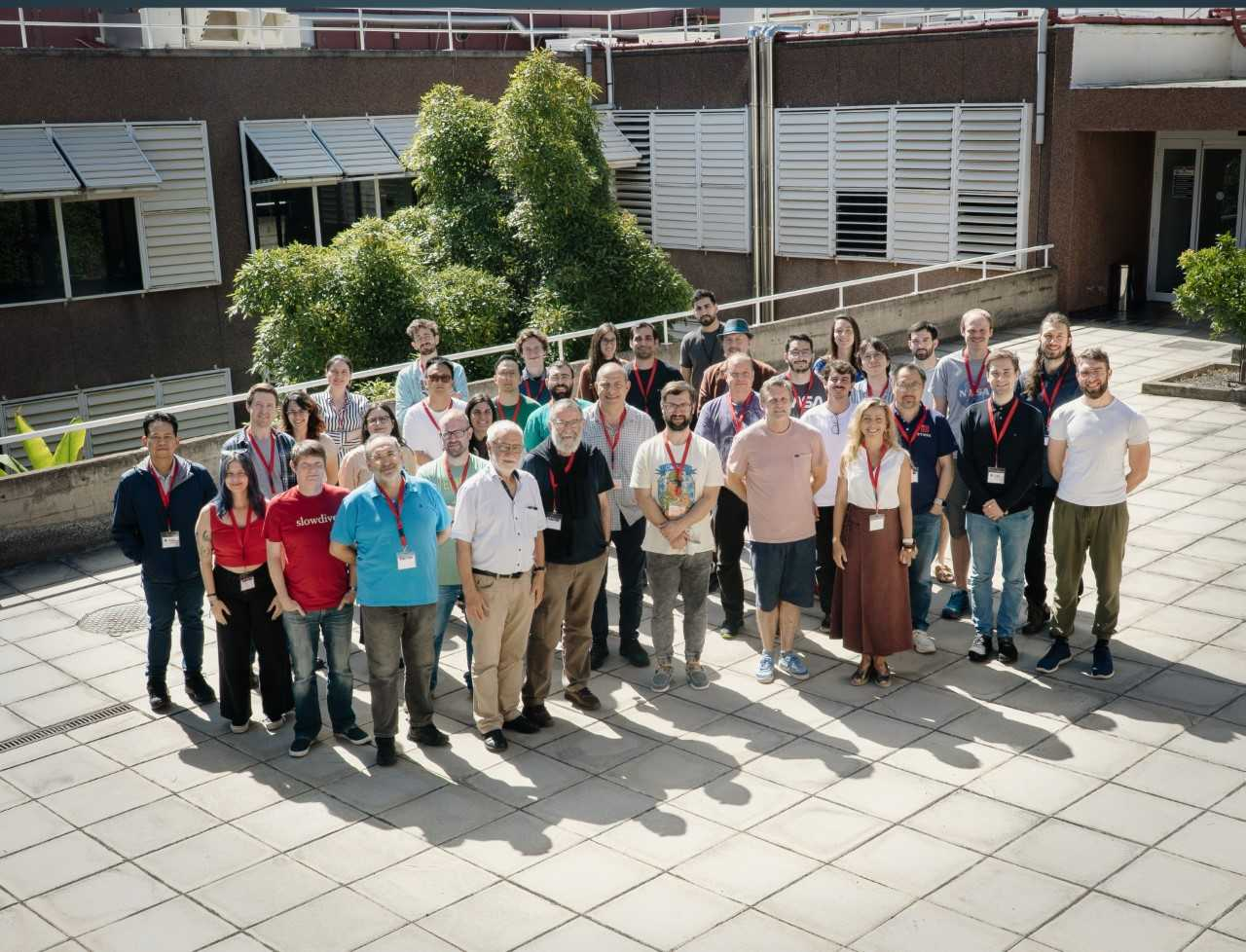
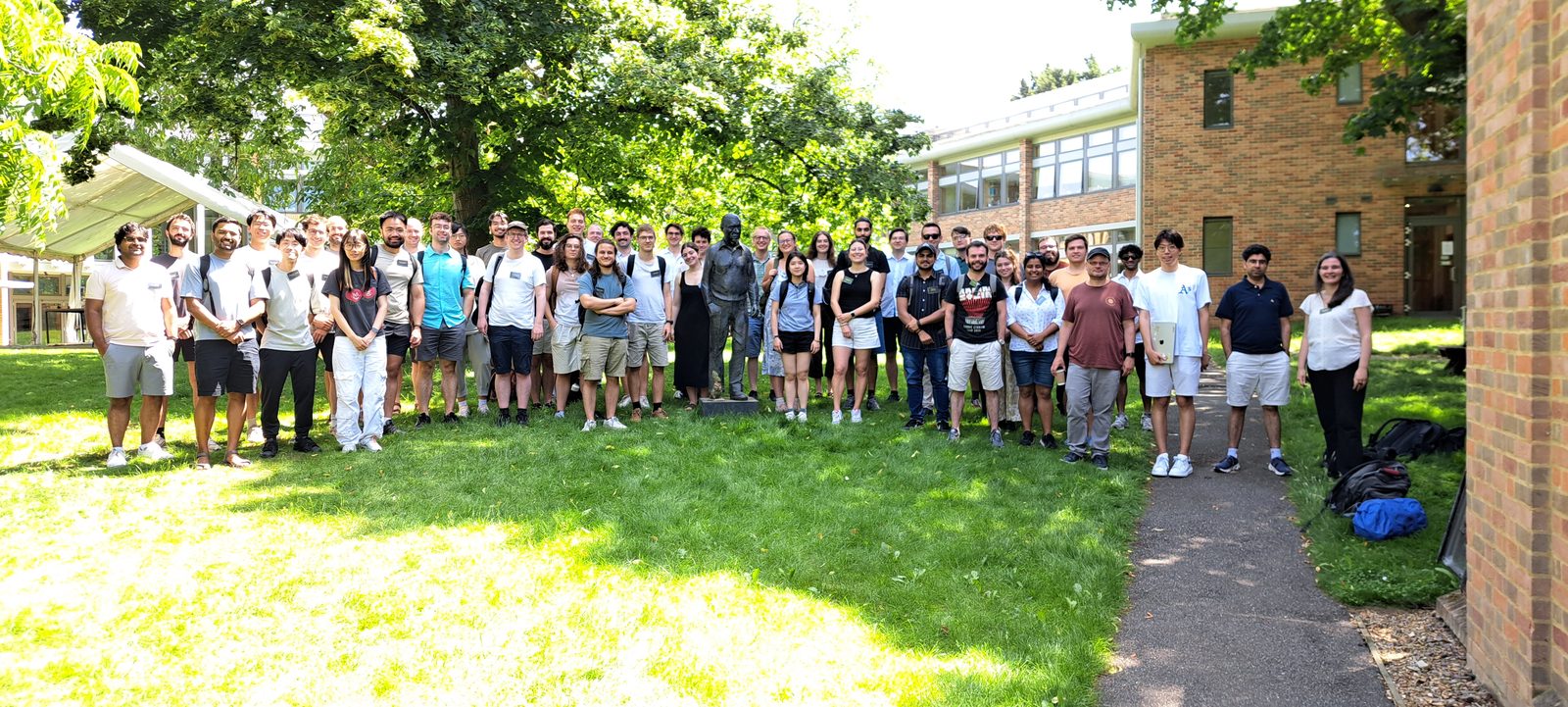
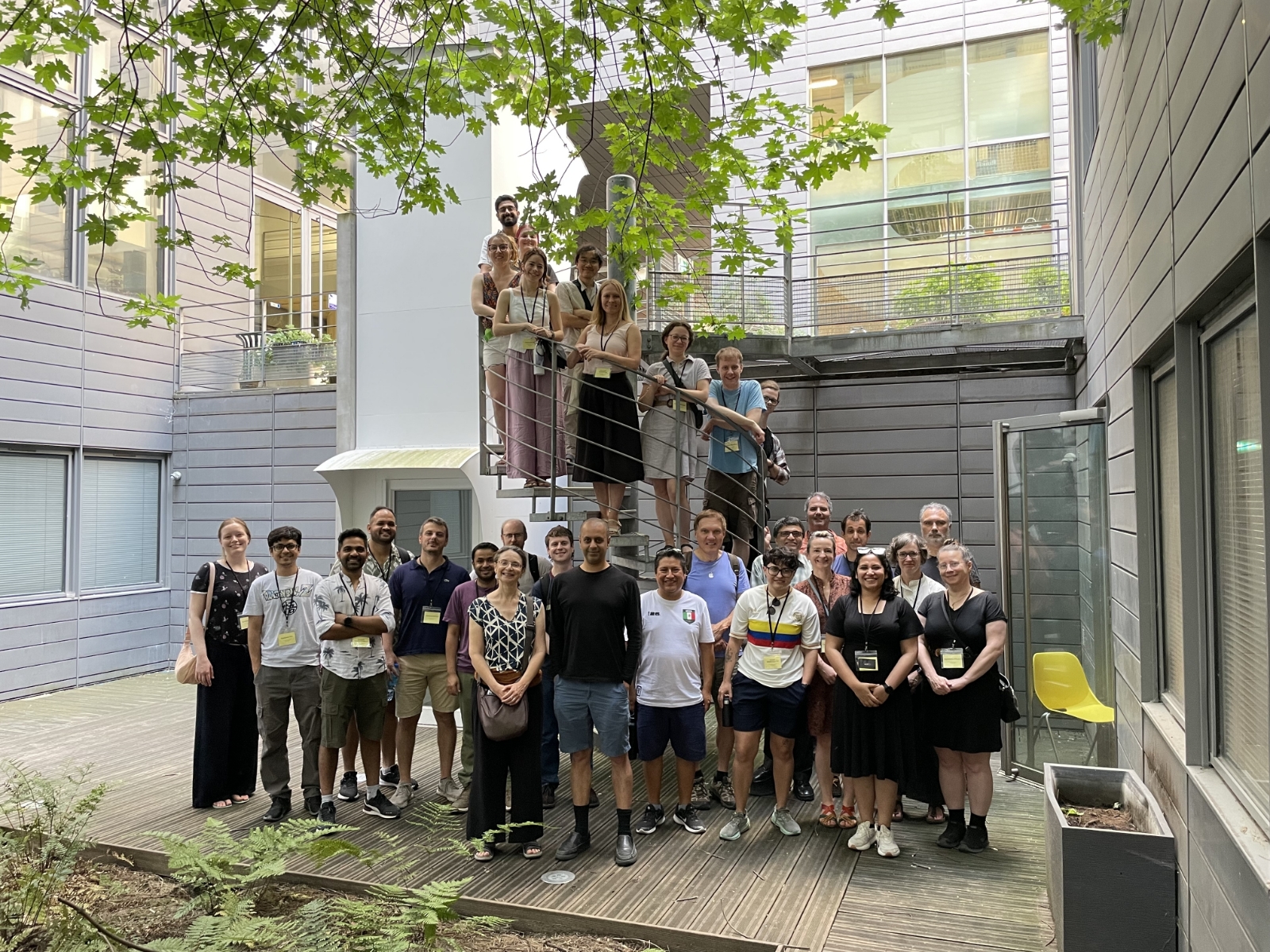
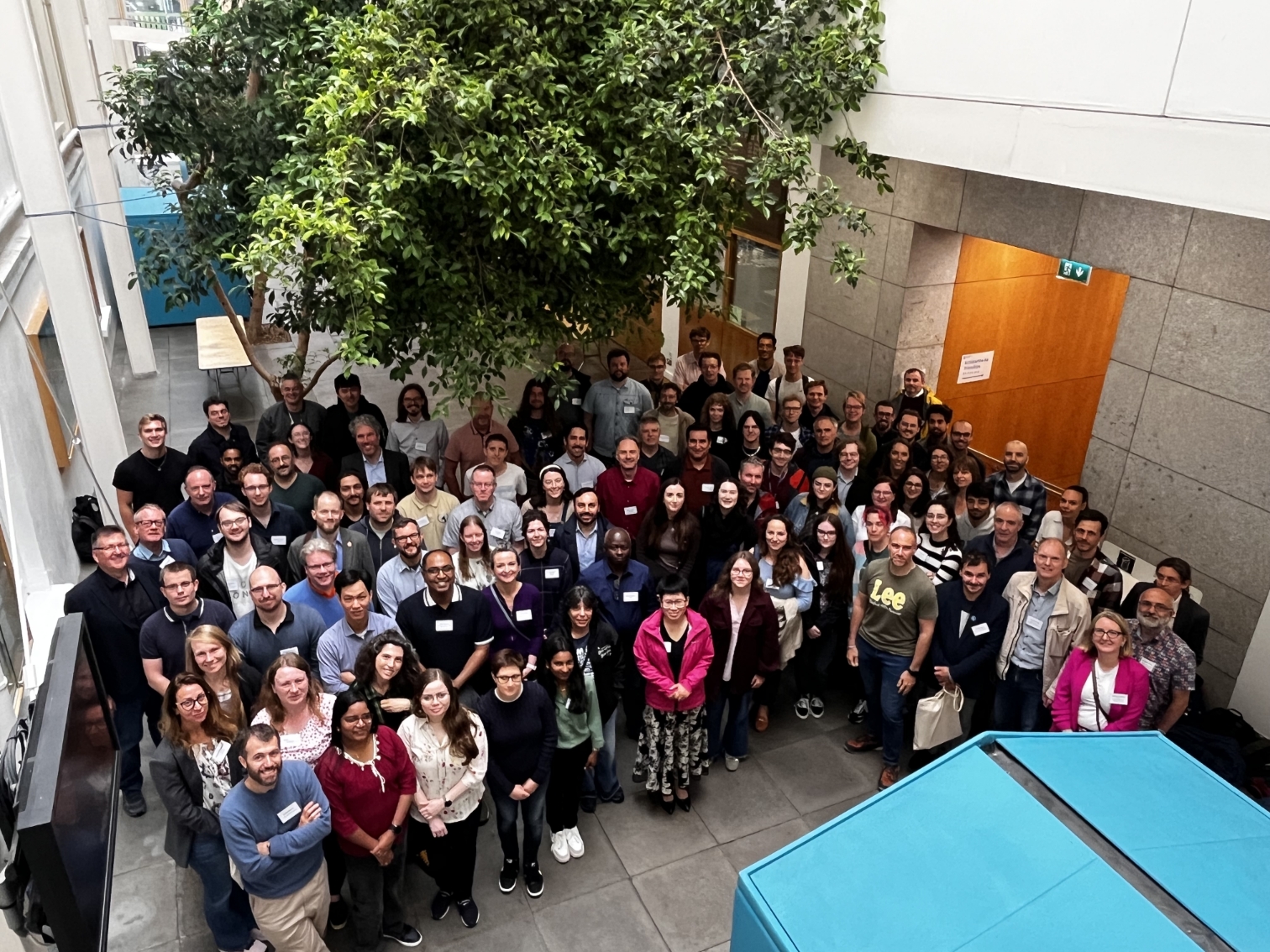
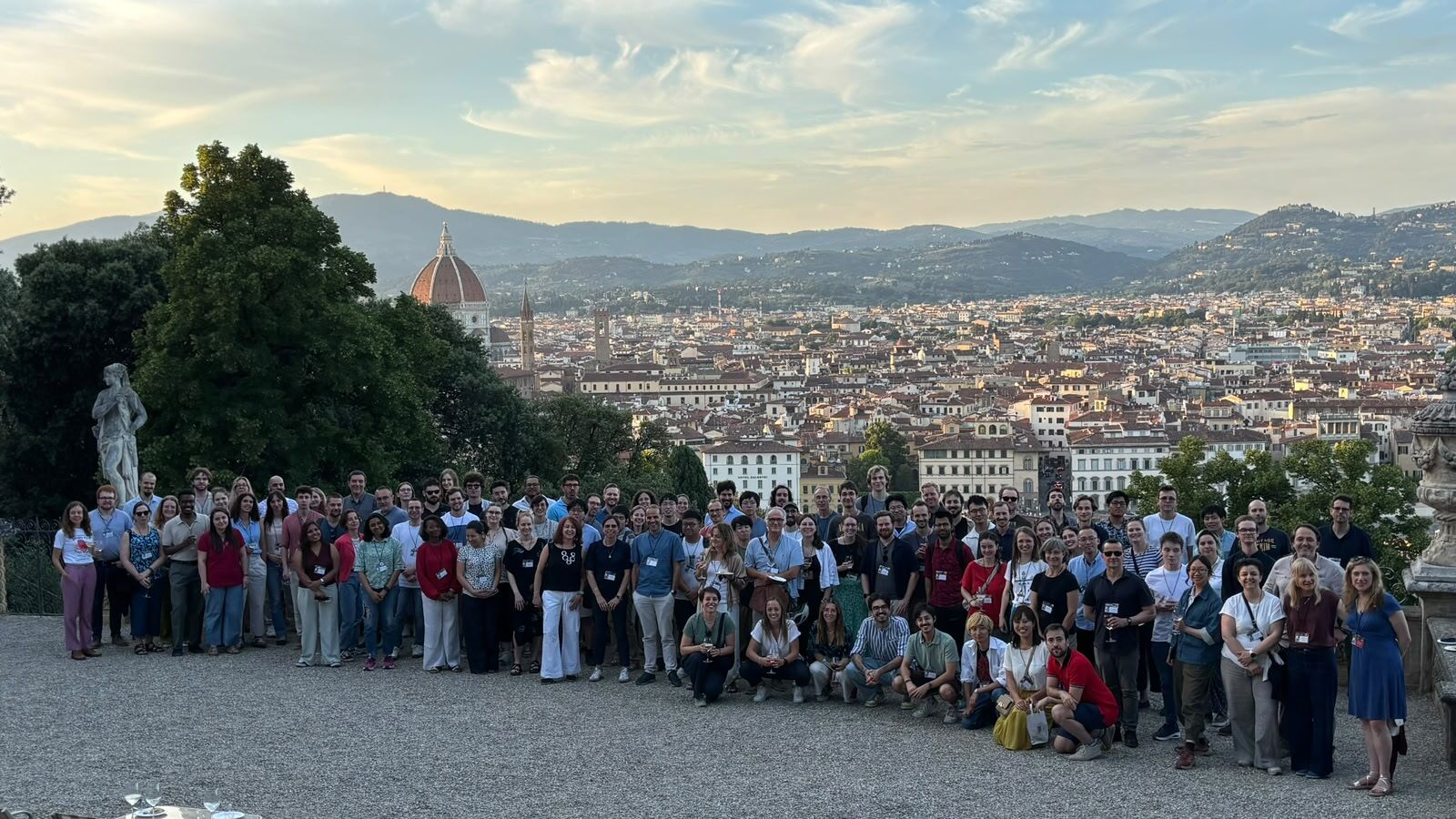
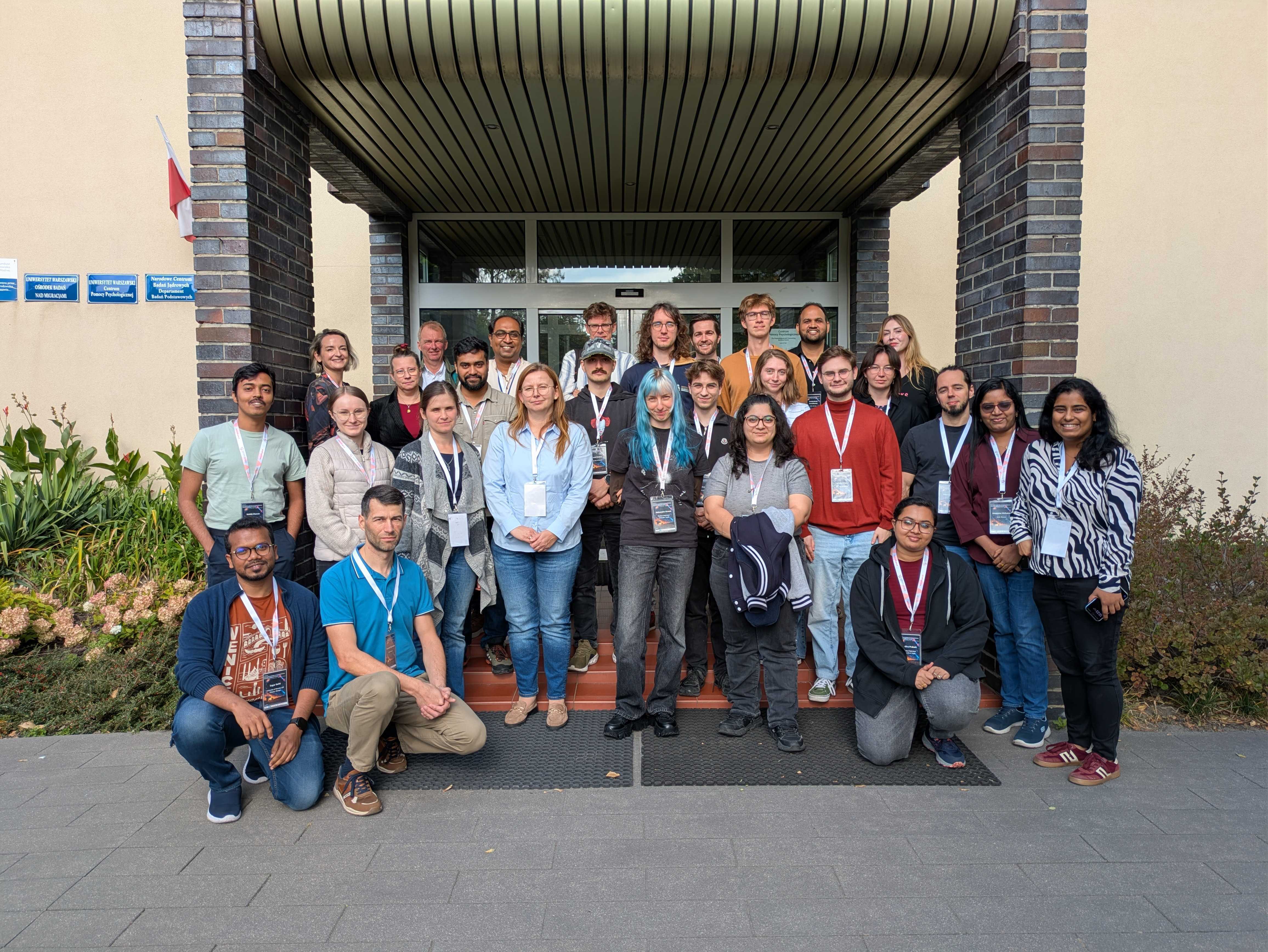
BP4 participate in many national and international conferences. We share our cutting edge research and enthusiasm with other astronomers across the world. Below are pictures from our trips across the globe over the last year or so.
Warsaw, Poland
5-7 October 2026
Organised by NCBJ BP4 as part of CLEVER
Invited Speakers:
Pratik Dabhade and
Katarzyna Małek
SOC members:
Pratik Dabhade and
Katarzyna Małek
LOC members:
Kshitij Chavan,
Subhrata Dey,
Anna Durkalec,
Anupama Mohanan, and
Unnikrishnan Sureshkumar
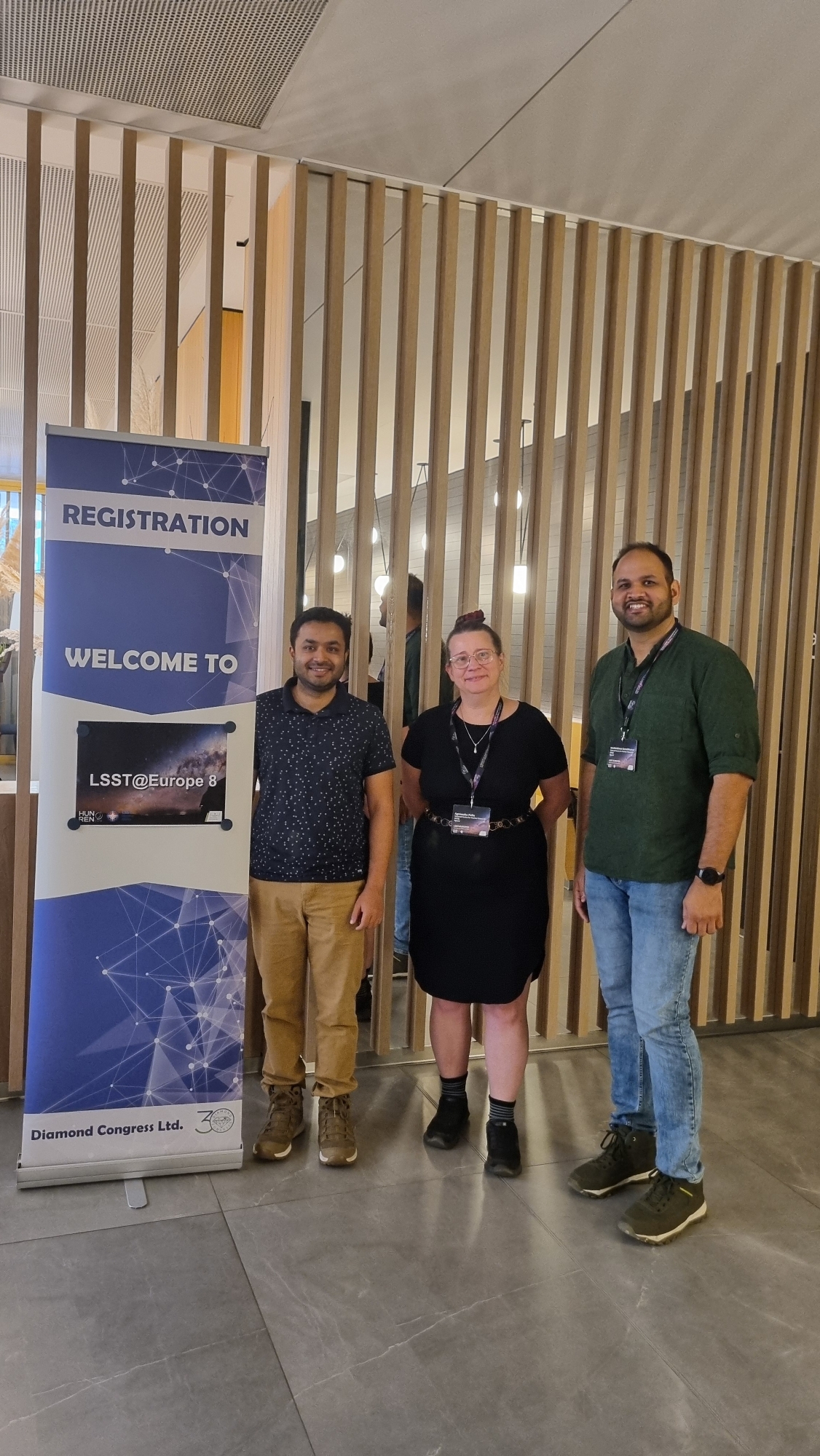
Budapest, Hungary
27 September - 2 October 2026
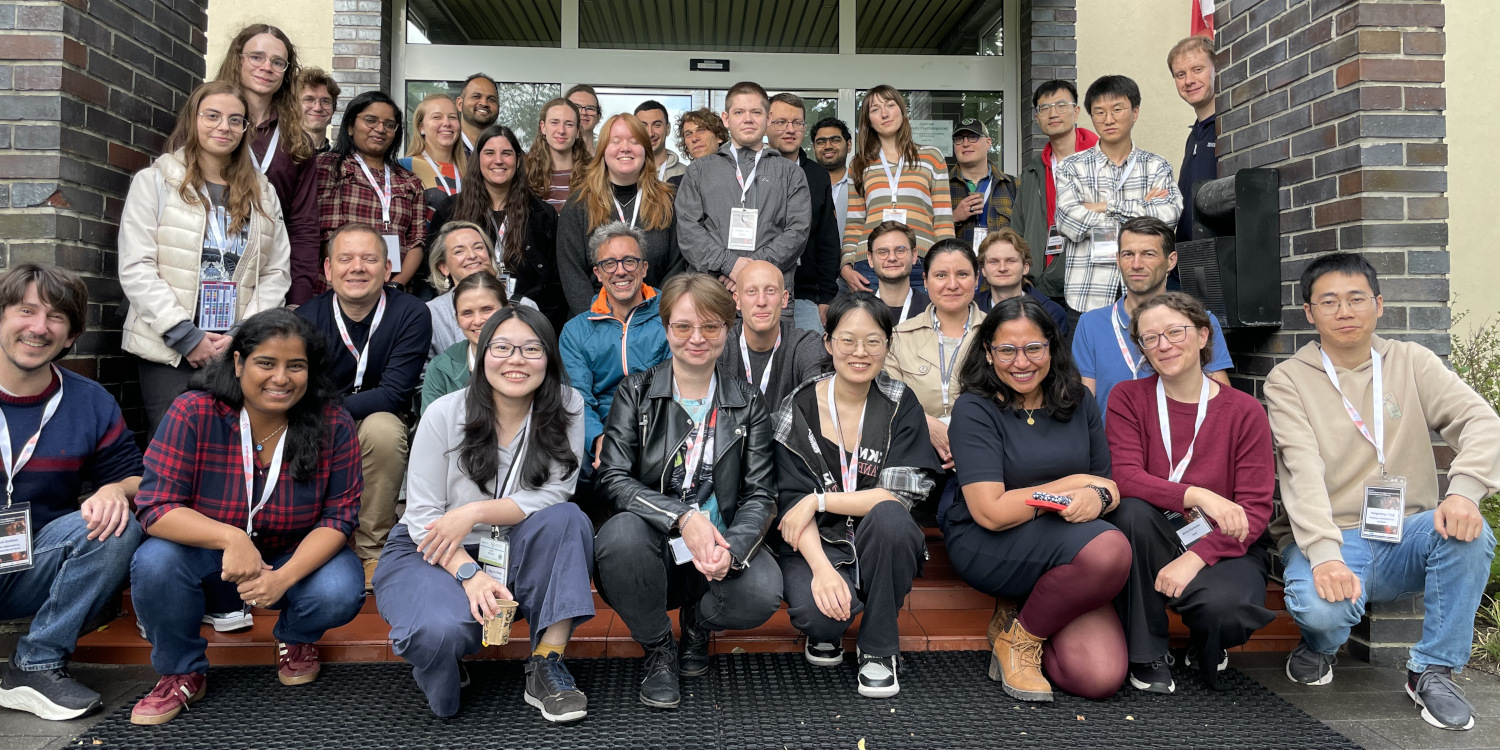
Warsaw, Poland
21-25 September 2026
Organised by NCBJ BP4 as part of CLEVER
Invited speaker:
William Pearson
SOC members:
Paweł Bielewicz (Chair),
Subhrata Dey,
Miguel Figueira,
Nandini Hazra,
Mariana Jaber,
Katarzyna Małek,
William Pearson, and
Antonio Vanzanella.
LOC members:
Paweł Bielewicz (co-chair),
Nicola Principi Cavaterra,
Aidan Cotter,
Kishan Deka,
Subhrata Dey (co-chair),
Orest Dorosh,
Anna Durkalec,
Paweł Siegmund,
Unnikrishnan Sureshkumar, and
Antonio Vanzanella.
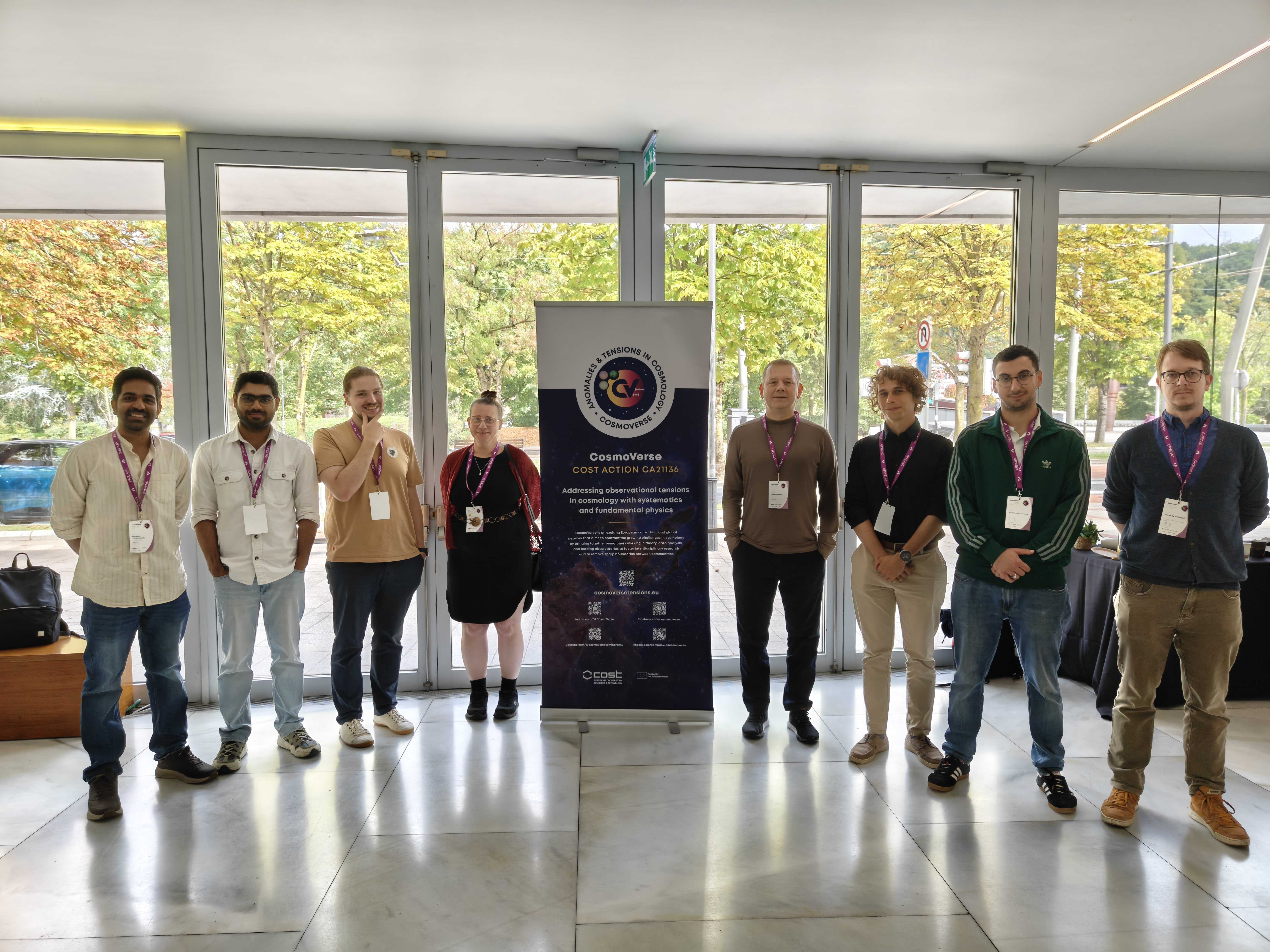
Bilbao, Poland
15-18 September 2026
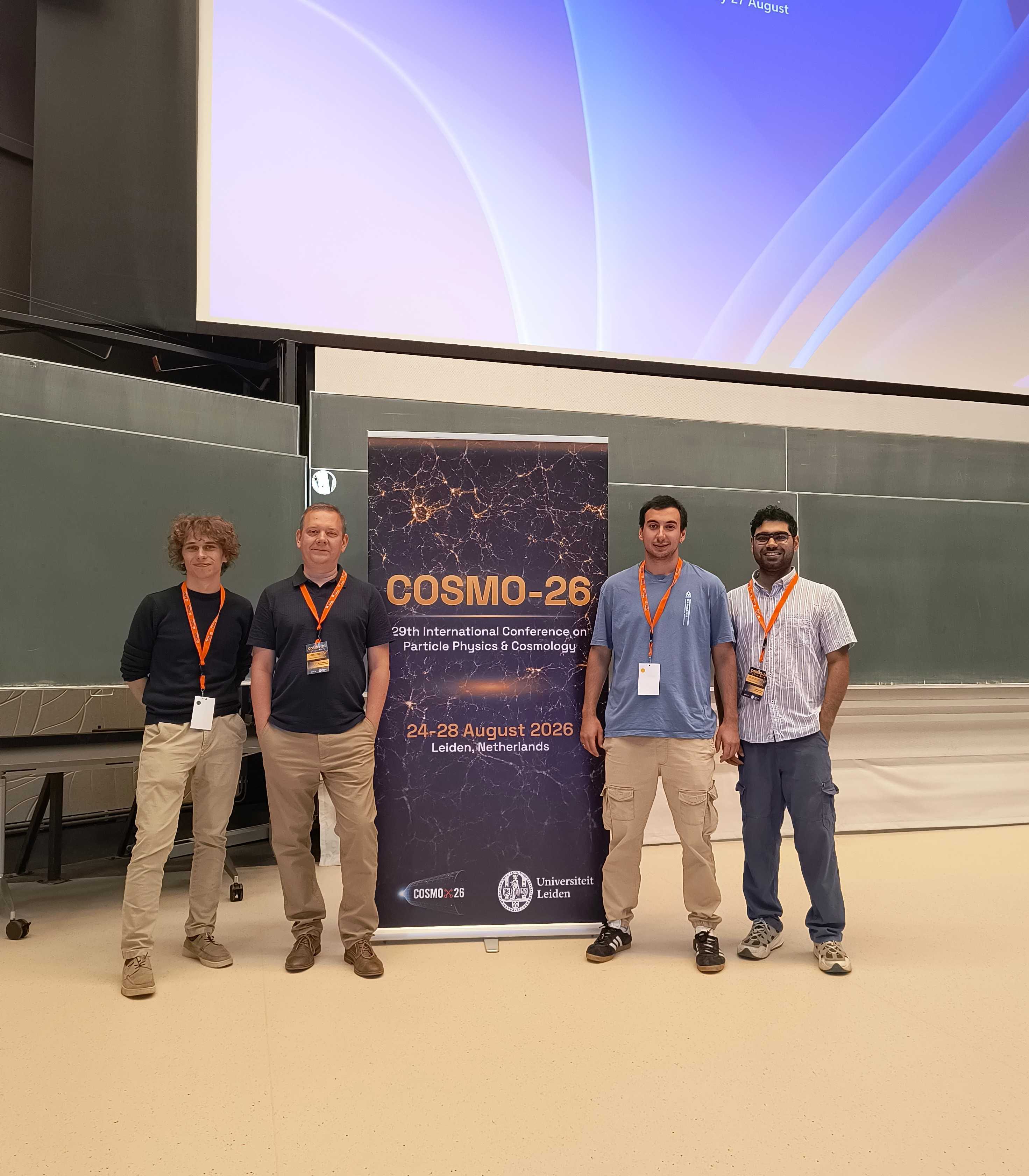
Leiden, The Netherlands
24-28 August 2026
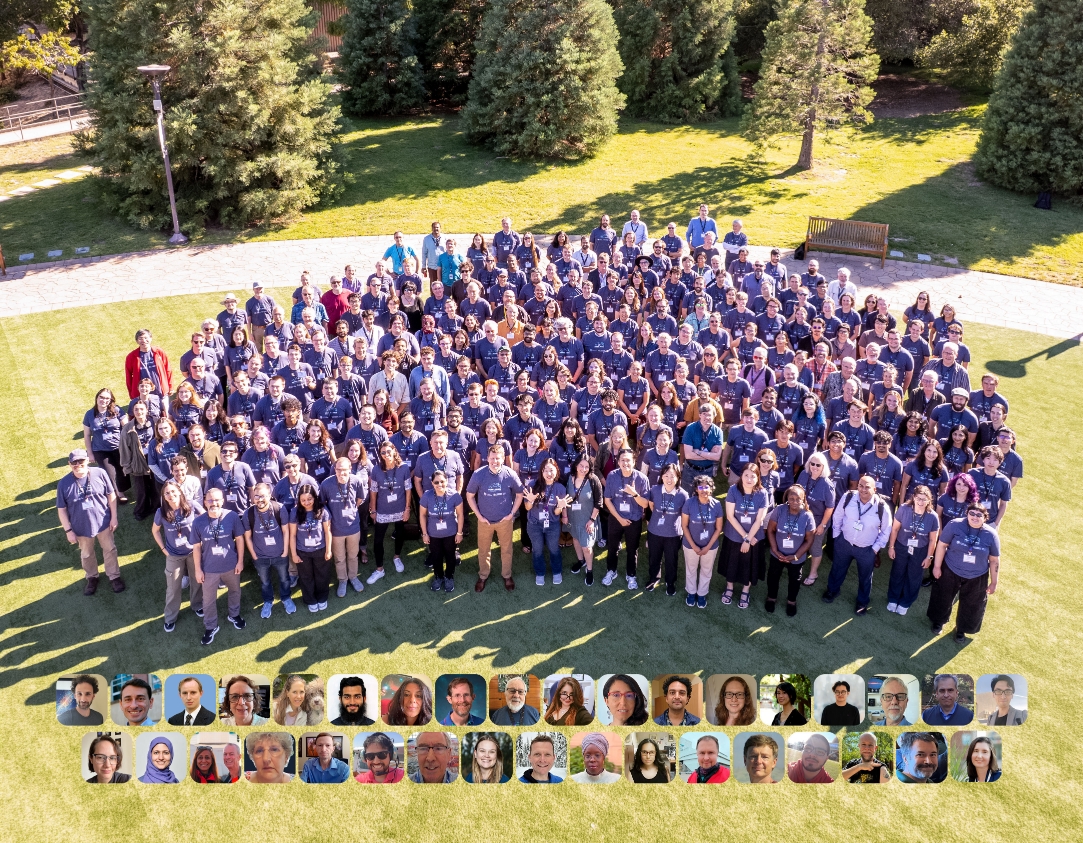
SLAC, Menlo Park, California, USA
27-31 July 2026
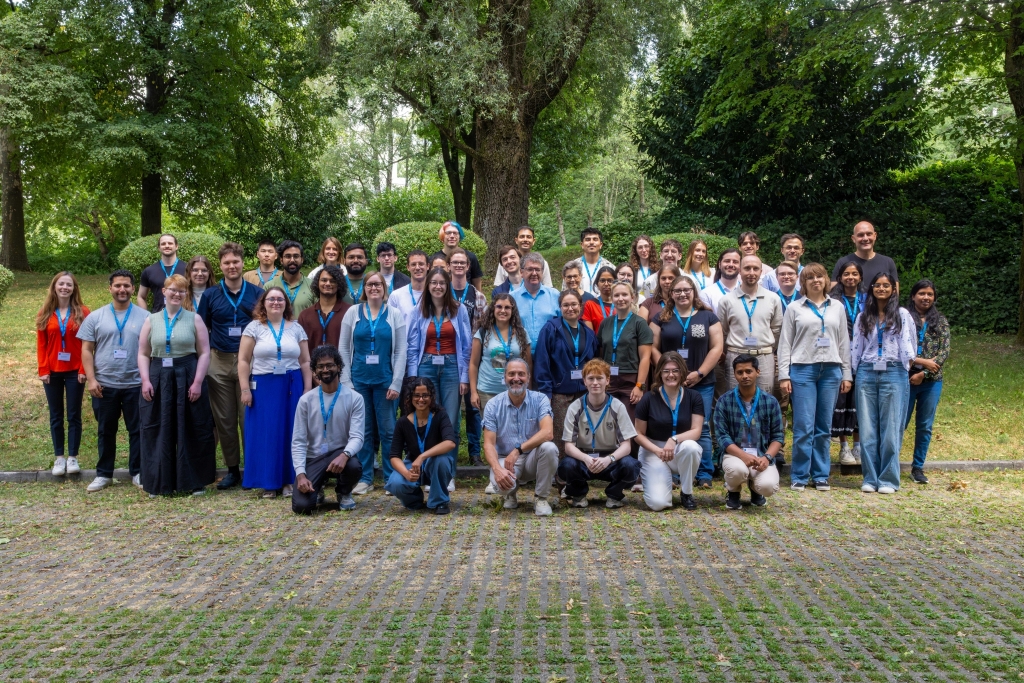
Garching, Germany
20-24 July 2026
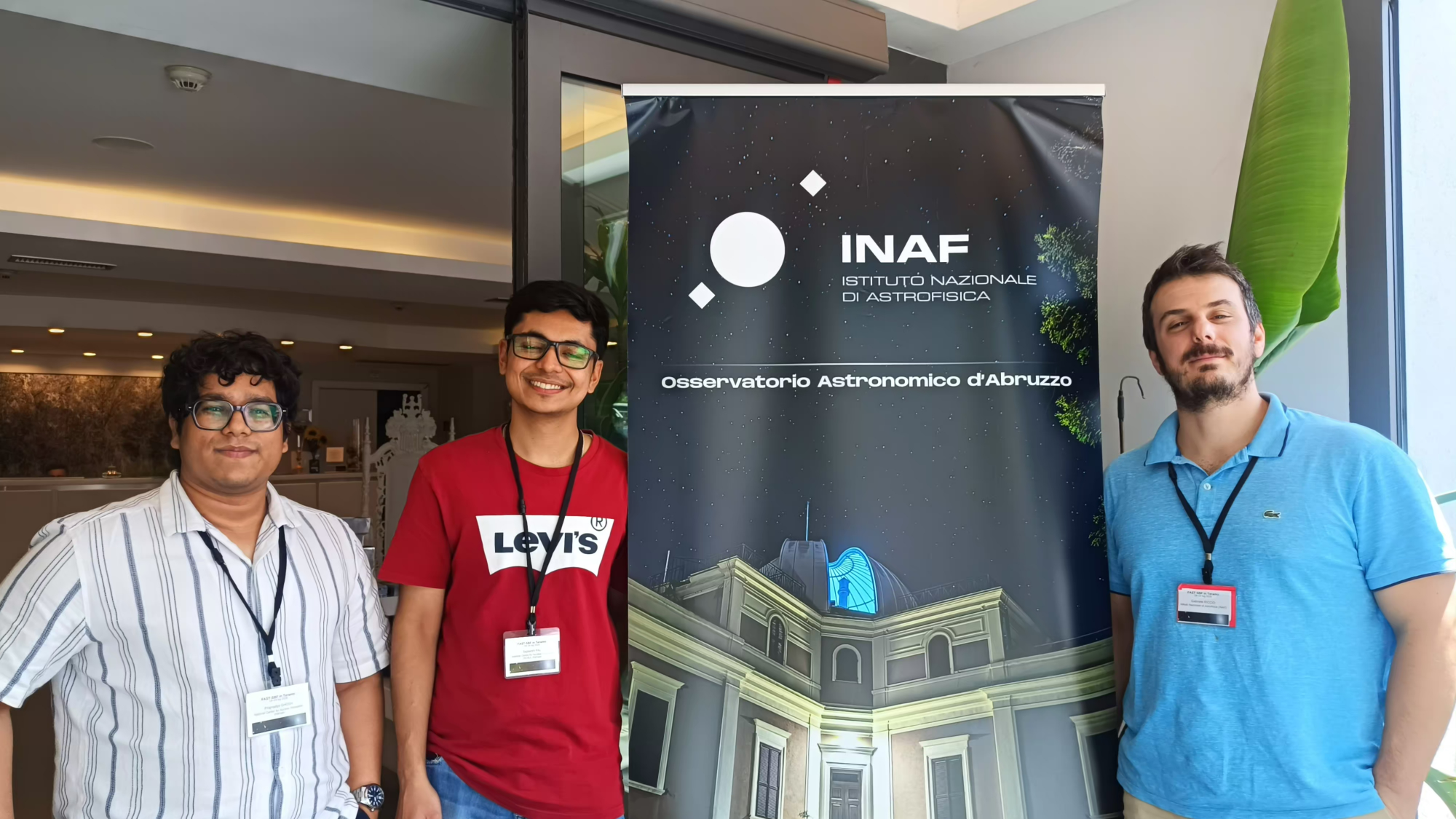
Teramo, Italy
20-23 July 2026
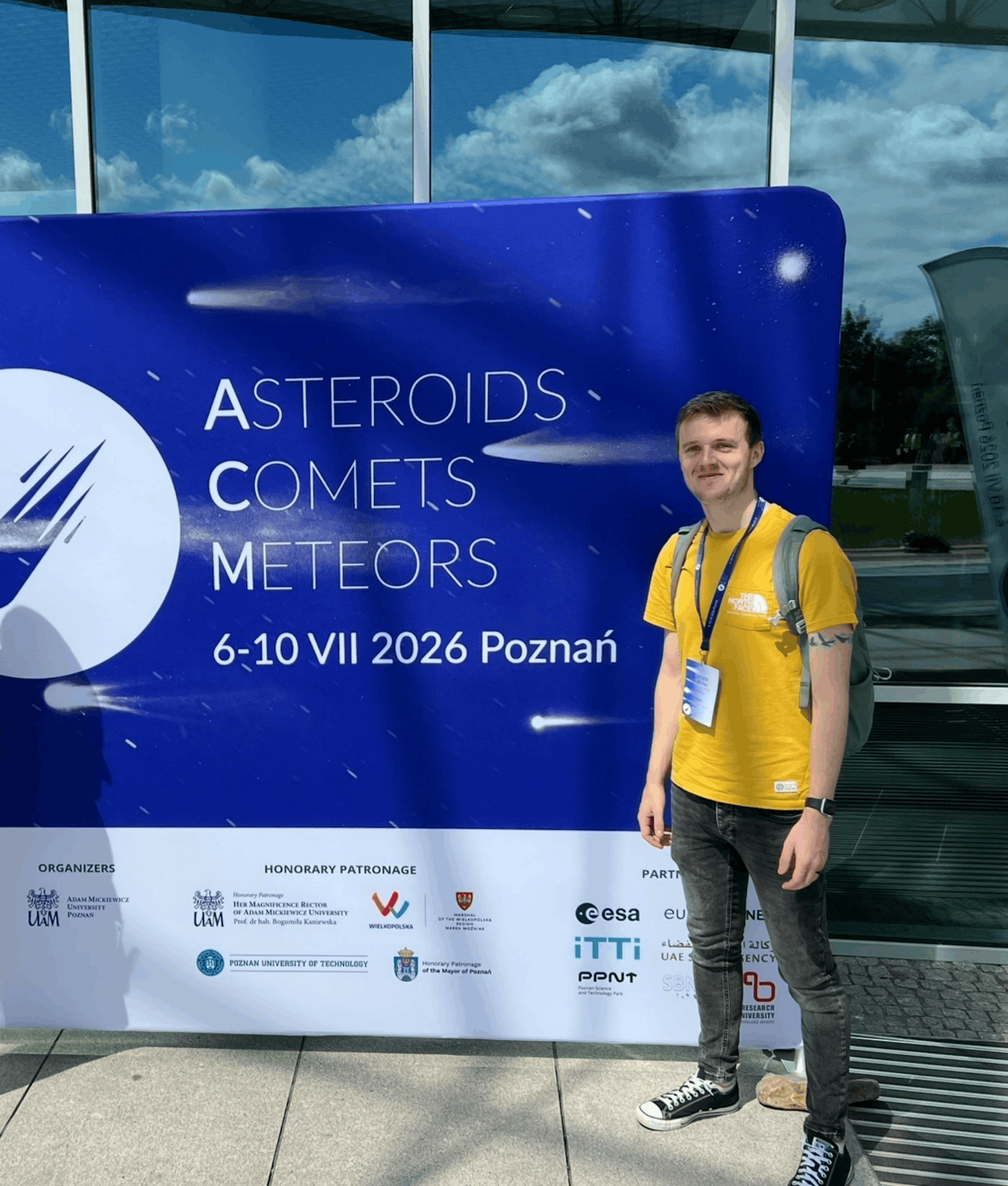
Poznań, Poland
6-10 July 2026
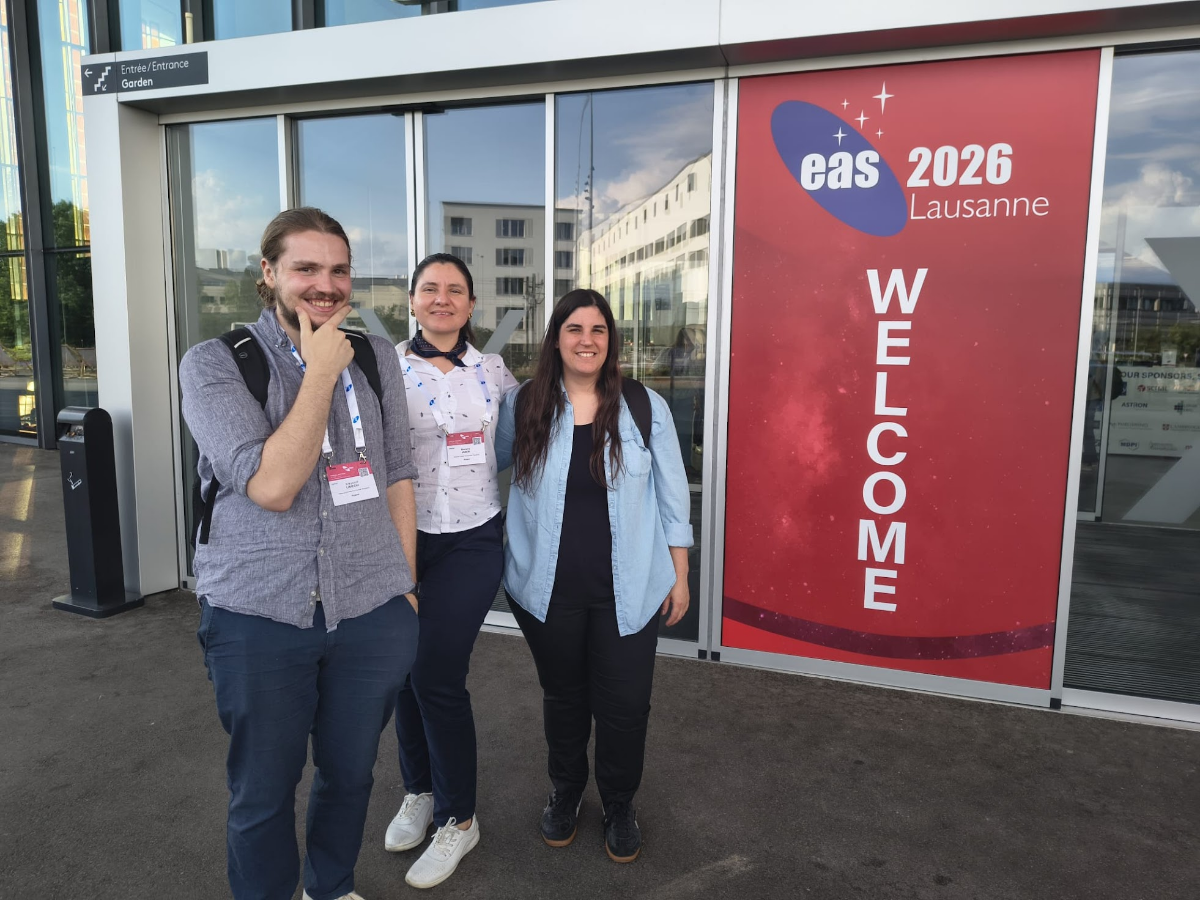
Lausanne, Switzerland
29 June - 3 July 2026
Latest News
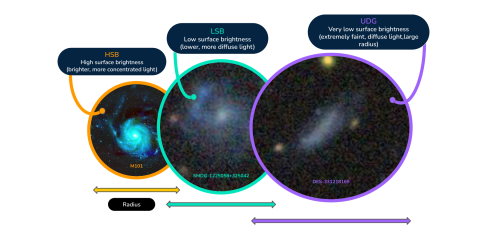
The faintest lights: Exploring the properties of the largest barely visible galaxies
When we look up at the night sky, bright celestial objects naturally draw most of our attention. However, the cosmos also contains hidden objects that are important for understanding how galaxies evolve: low surface brightness galaxies (LSBGs) and Ultra-diffuse galaxies (UDGs). It is crucial to understand their properties, as well as the history of their formation and evolution. In a newly published paper, a team of scientists from the Astrophysics Division of the National Centre for Nuclear Research, led by the PhD student Antonio Vanzanella, has investigated new candidates for UDG galaxies in order to confirm their nature and precisely determine their properties.
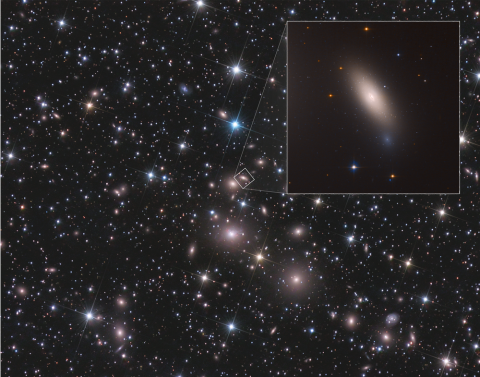
Cosmic Chronometers: What relic galaxies tell us about the expansion of the Universe
According to currently accepted cosmological models, our Universe is constantly expanding, and the rate of this expansion continues to increase. However, measuring this rate poses a major challenge for scientists, which is why new methods are being sought, such as the study of so-called compact relic galaxies. In a recently published paper, a team of researchers from the Astrophysics Division of the National Centre for Nuclear Research has shown that these extraordinary objects may allow for a more accurate determination of the rate at which the Universe is expanding.
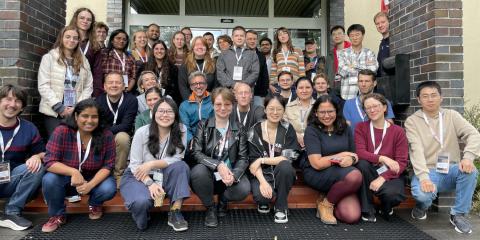
Why are machine learning and statistical methods crucial in astrophysics and cosmology? The VISTULA workshop at the NCBJ
Machine learning and modern statistical methods are becoming key tools in astrophysics and cosmology – from processing observational data and photometric redshifts to time-domain discoveries, image classification and parameter inference. From 21 to 25 September, the Astrophysics Division of the National Centre for Nuclear Research hosted the "Viewing Space Through Machine Learning and Astrostatistics" (VISTULA) workshop. It provided a structured introduction to the fundamentals of statistics and the concepts of machine learning.
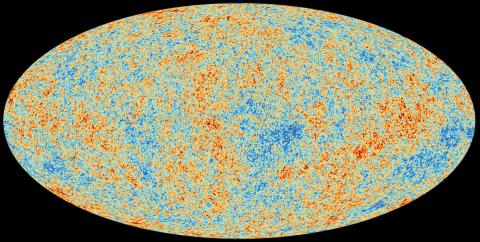
NCBJ astrophysicists advance understanding of distortions in the Cosmic Microwave Background
The Cosmic Microwave Background (CMB) contains key information about the earliest stages of the Universe's evolution. In a recent study, astrophysicists from the National Centre for Nuclear Research (NCBJ) investigated how microwave emission from our Galaxy and gravitational lensing distort the CMB signal. They also examined which methods could be employed by future CMB experiments to place tighter constraints on the amplitude of primordial gravitational waves.
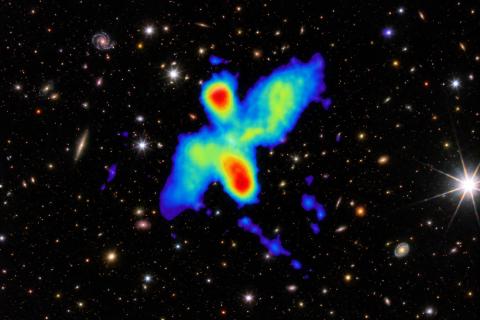
Are cosmic butterflies hiding the binary supermassive black holes?
X-shaped radio galaxies (XRGs) are a rare class of active galaxies, whose origins are still uncertain. Scientists believe they might be linked to galaxy mergers, which makes them candidates to find black hole pairs that will produce gravitational waves in the future. Results of the study of almost 200 XRGs, led by Prajnadipt Ghosh, a doctoral student from the Astrophysics Division at NCBJ, have just been published in the Astrophysical Journal.
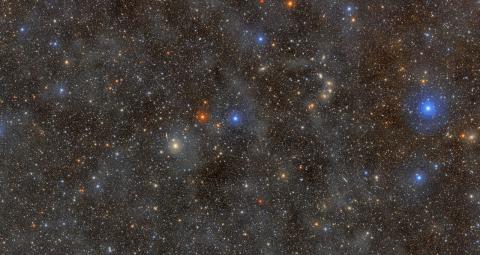
The greatest cosmic movie ever made: Vera C. Rubin Observatory starts the Legacy Survey of Space and Time
A new era of astronomy and astrophysics begins, as the NSF-DOE Vera C. Rubin Observatory launches LSST, the most comprehensive cinematic record of the Universe. The initiative involves a Polish consortium composed of eight institutions, led by the National Centre for Nuclear Research.