English
 Polish
Our Research
The fourth division (BP4) of The Fundamental Research Department (Departament Badań Podstawowych) deals with research in astrophysics and astronomy, mainly their observational aspects. The BP4 division is located in Warsaw at 7 Pasteura street.
The research conducted at the Astrophysics Laboratory includes:
- Cosmology: CMB, large structures of the Universe, dark matter, non-standard cosmology and gravitational lensing
- Gravitational waves: Multi-messenger astronomy, new tools for cosmology
- Physics of galaxies: Formation and evolution of galaxies, AGN, quasars and gamma-ray burst
- Interstellar medium: Star formation, neutron stars and white dwarfs
The BP4 division is also involved in several international projects. Check our Scientific Projects page for more information.
Seminars
Upcoming seminars for all of NCBJ can be found here.
The seminar archive for NCBJ can be found here.
Latest News
Scroll down for the latest news about the research done by our division or click here.
VISTULA Workshop
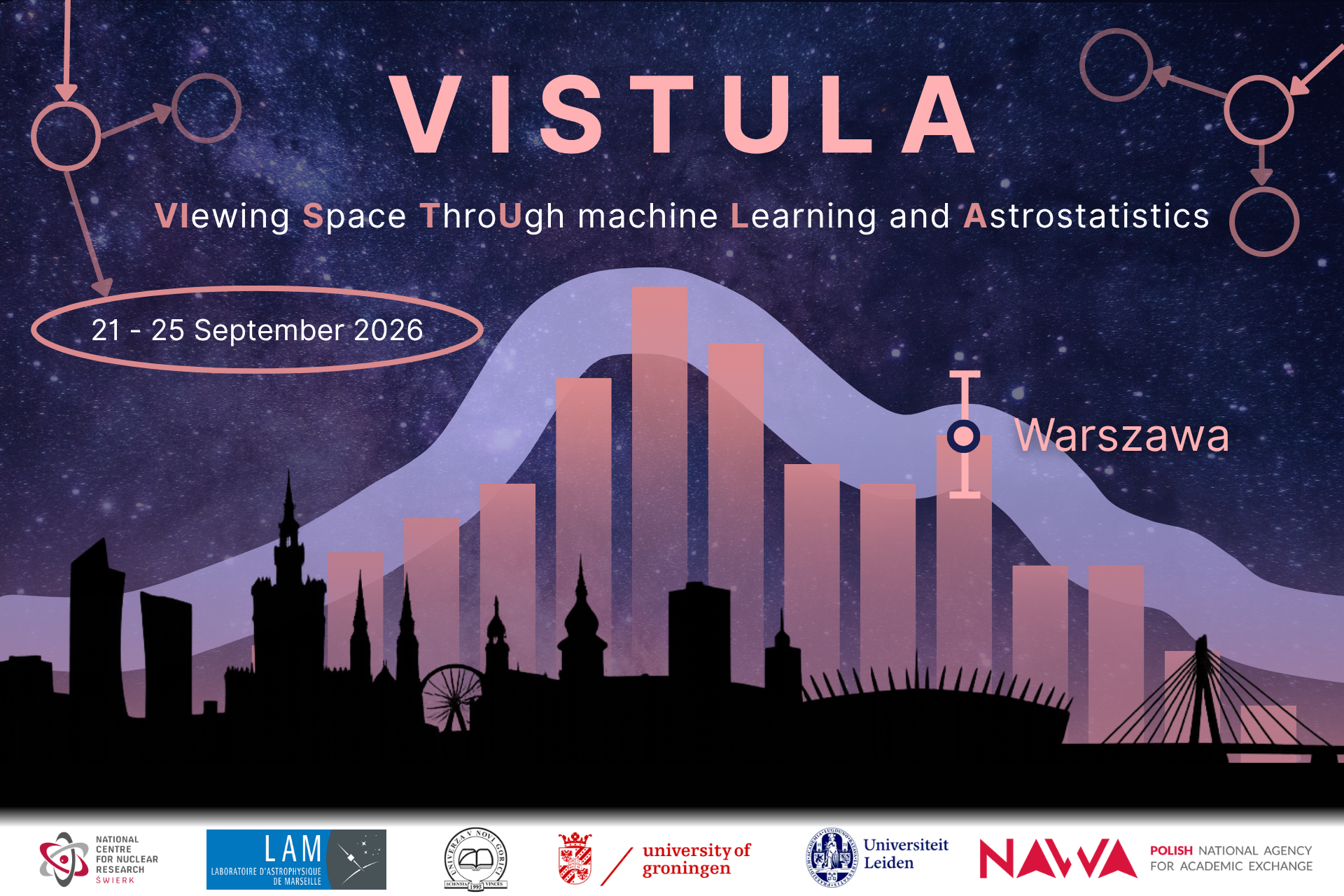
The workshop is organized as part of the project CLEVER: Cosmology & GaLaxy EVolution In The New ObsErving ProgRammes. Project founded by the Strategic Partnership project BPI/PST/2024/1/00019 by NAWA – Polish National Agency For Academic Exchange.
The rationale
Machine learning and modern statistical methods are becoming central tools in astrophysics and cosmology, from survey data reduction and photometric redshifts to time‑domain discovery, image classification and parameter inference. This workshop offers a structured introduction to statistical foundations and machine learning concepts.
The goal of this workshop is to provide a structured, beginner‑friendly entry point to machine learning and advanced statistics in astrophysics, while progressively reaching more advanced topics. The format will combine morning lectures with afternoon hands‑on sessions in which participants work through concrete astrophysical use cases under the guidance of the invited speakers and local tutors.
The workshop is aimed at Master’s students, early‑stage PhD students and junior researchers from NCBJ, the University of Warsaw, and the CLEVER partner institutions. It will explicitly welcome participants with limited prior exposure to machine learning, provided they are comfortable with basic programming (e.g. Python) and standard statistical concepts. By the end of the workshop, participants should be able to: understand the main families of machine learning methods used in current astrophysical research; critically assess when a machine‑learning approach is appropriate; implement and evaluate simple models on real data; and recognise common pitfalls such as overfitting, data leakage and biased training sets.
The invited speakers span a broad range of applications including galaxy formation and evolution, large‑scale surveys, time‑domain and transient astronomy, exoplanets and cosmology.
Hosted in Warsaw as part of the CLEVER-NAWA partnership , the workshop will strengthen training and collaboration across the network by bringing together students, junior researchers, and invited experts for a hands-on introduction to machine learning and advanced statistics in astrophysics.
Invited speakers:
- Ting-Yun Cheng (Kapteyn Astronomical Institute in Groningen)
- Antonio La Marca (Leiden Observatory, European Space Agency)
- Alex Razim (Centre for Astrophysics and Cosmology, Nova Gorica)
- Carlo Schimd (Laboratoire d’Astrophysique de Marseille)
- Will J. Pearson (National Centre for Nuclear Research)
For more info, or to register for the workshop, CLICK HERE
Conference Participation
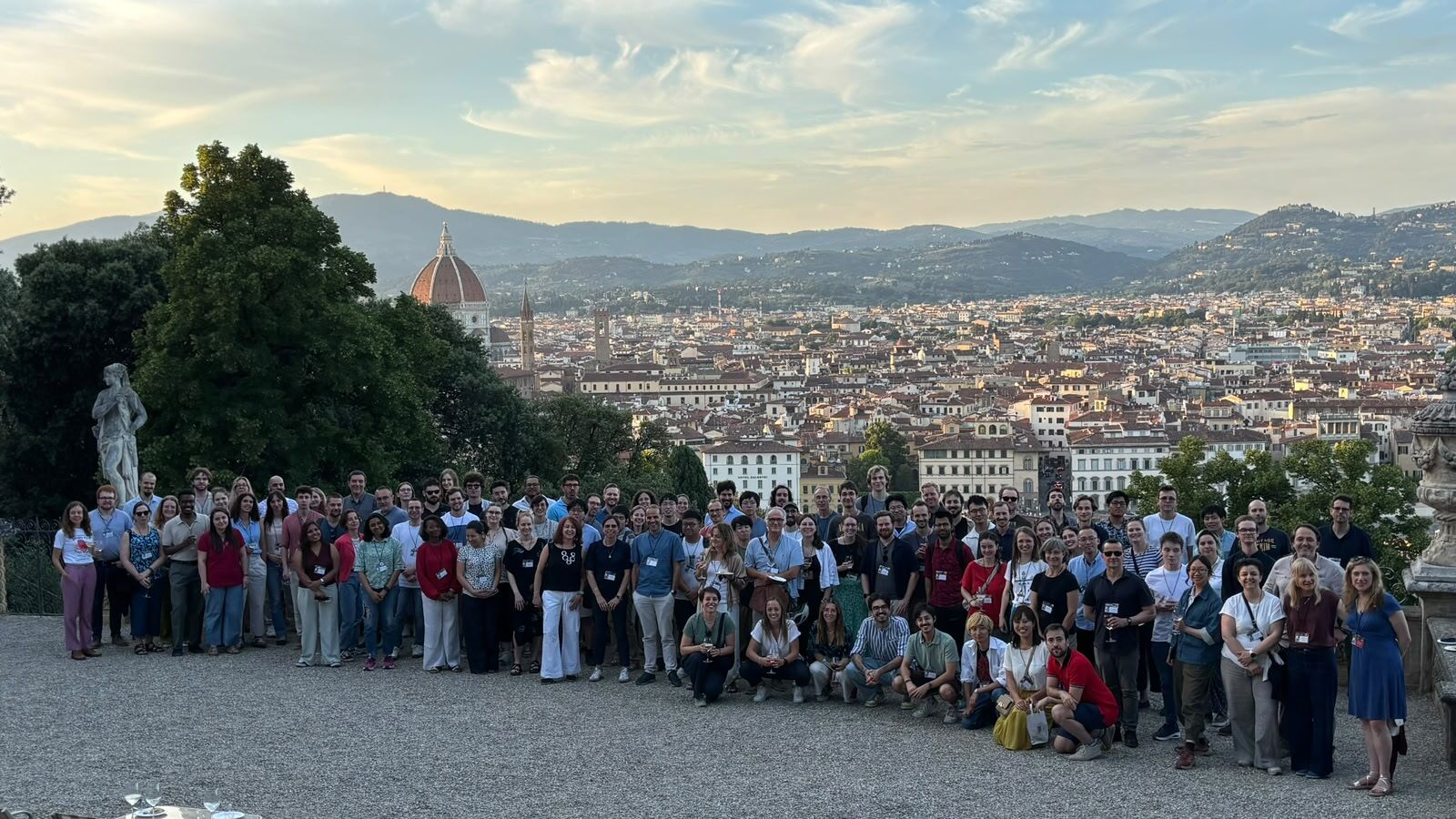
BP4 participate in many national and international conferences. We share our cutting edge research and enthusiasm with other astronomers across the world. Below are pictures from our trips across the globe over the last year or so.
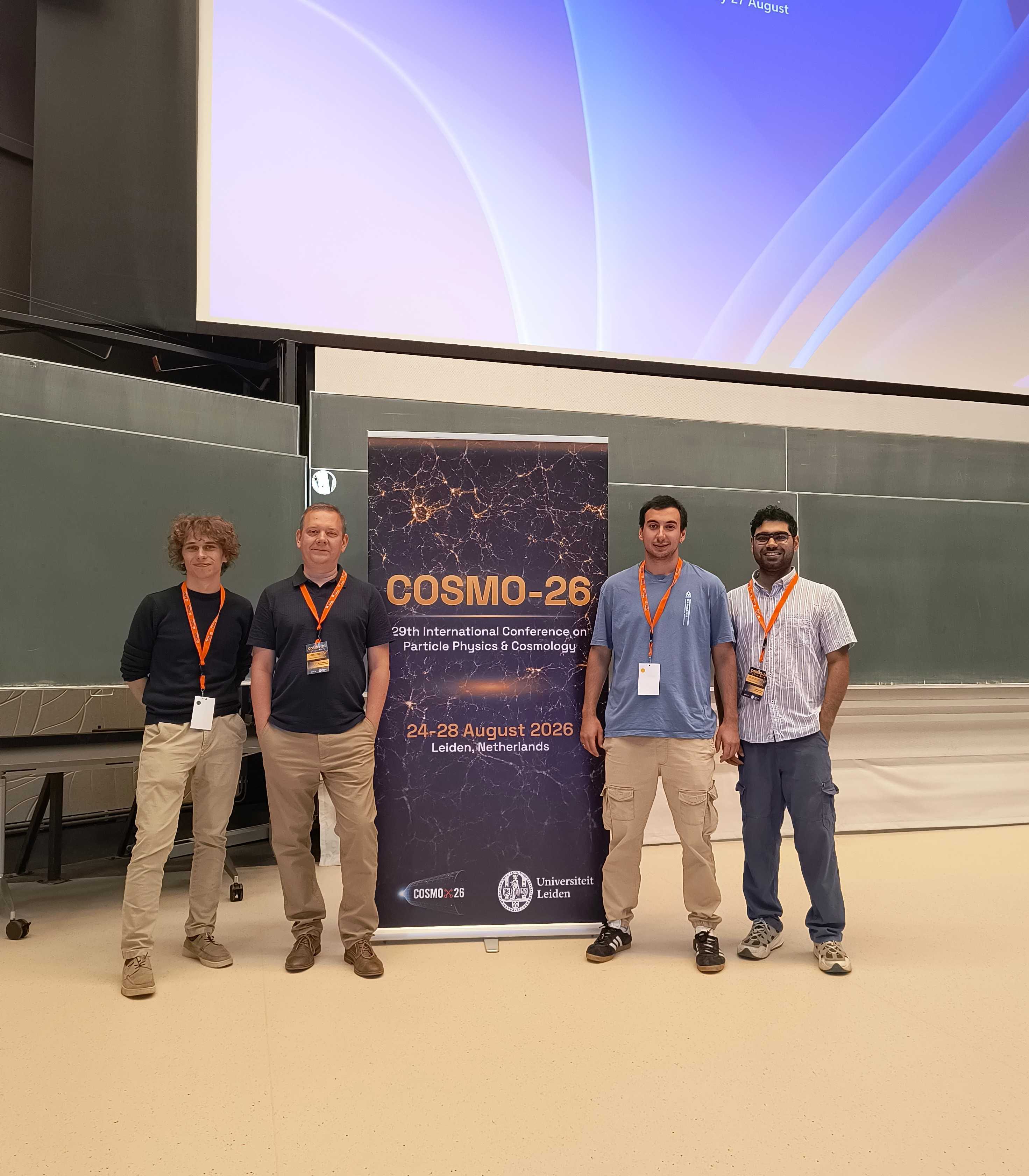
Leiden, The Netherlands
24-28 August 2026
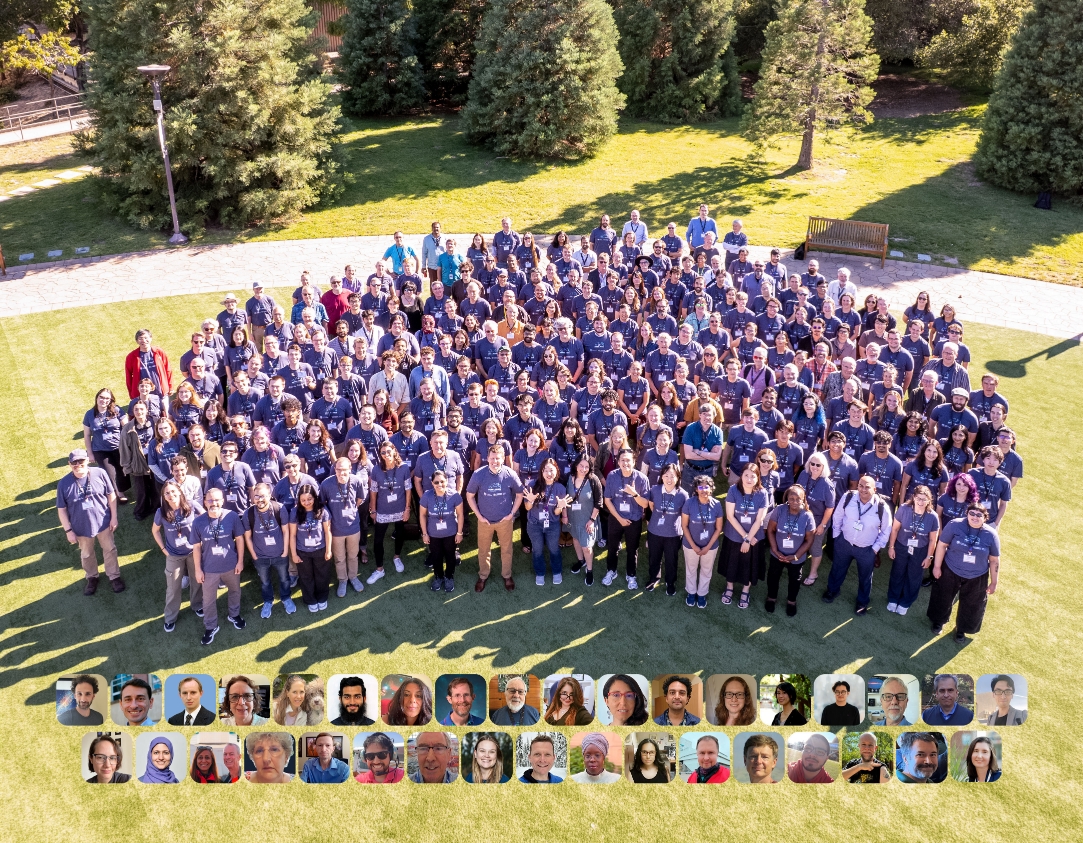
SLAC, Menlo Park, California, USA
27-31 July 2026
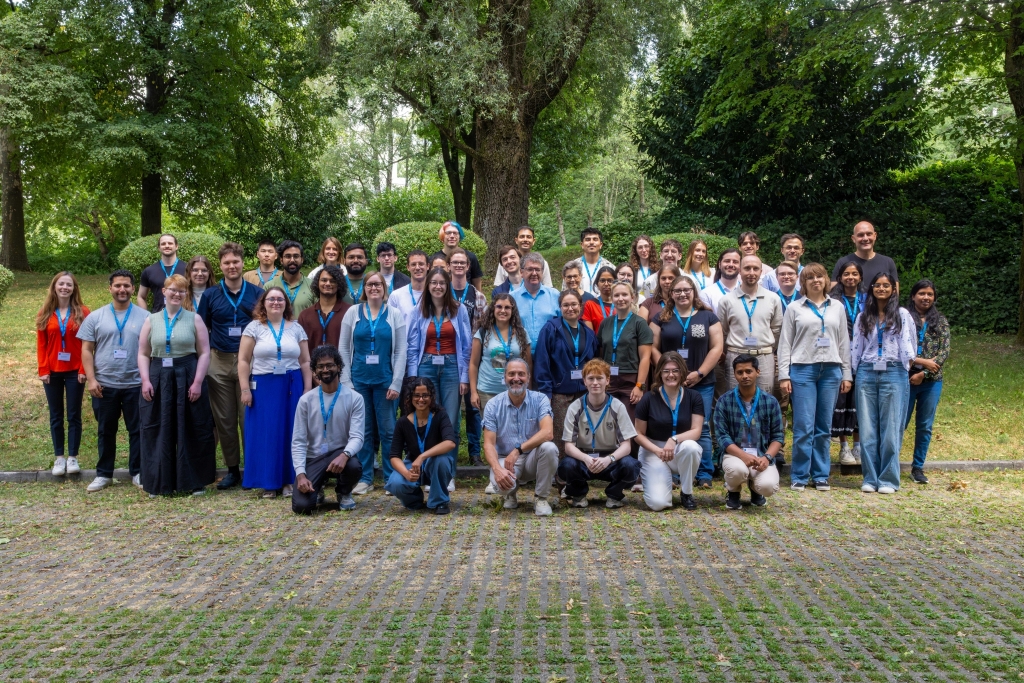
Garching, Germany
20-24 July 2026
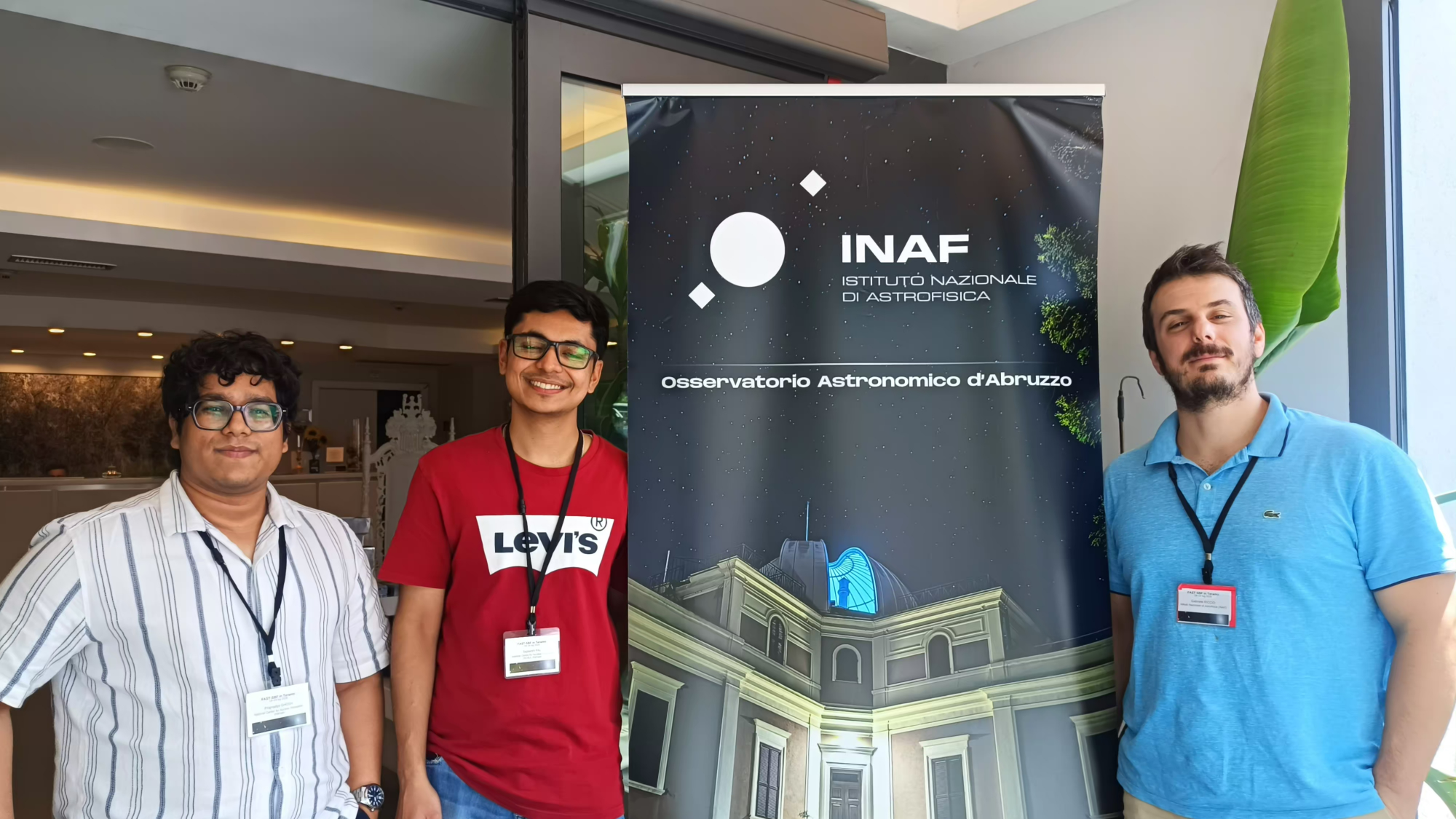
Teramo, Italy
20-23 July 2026
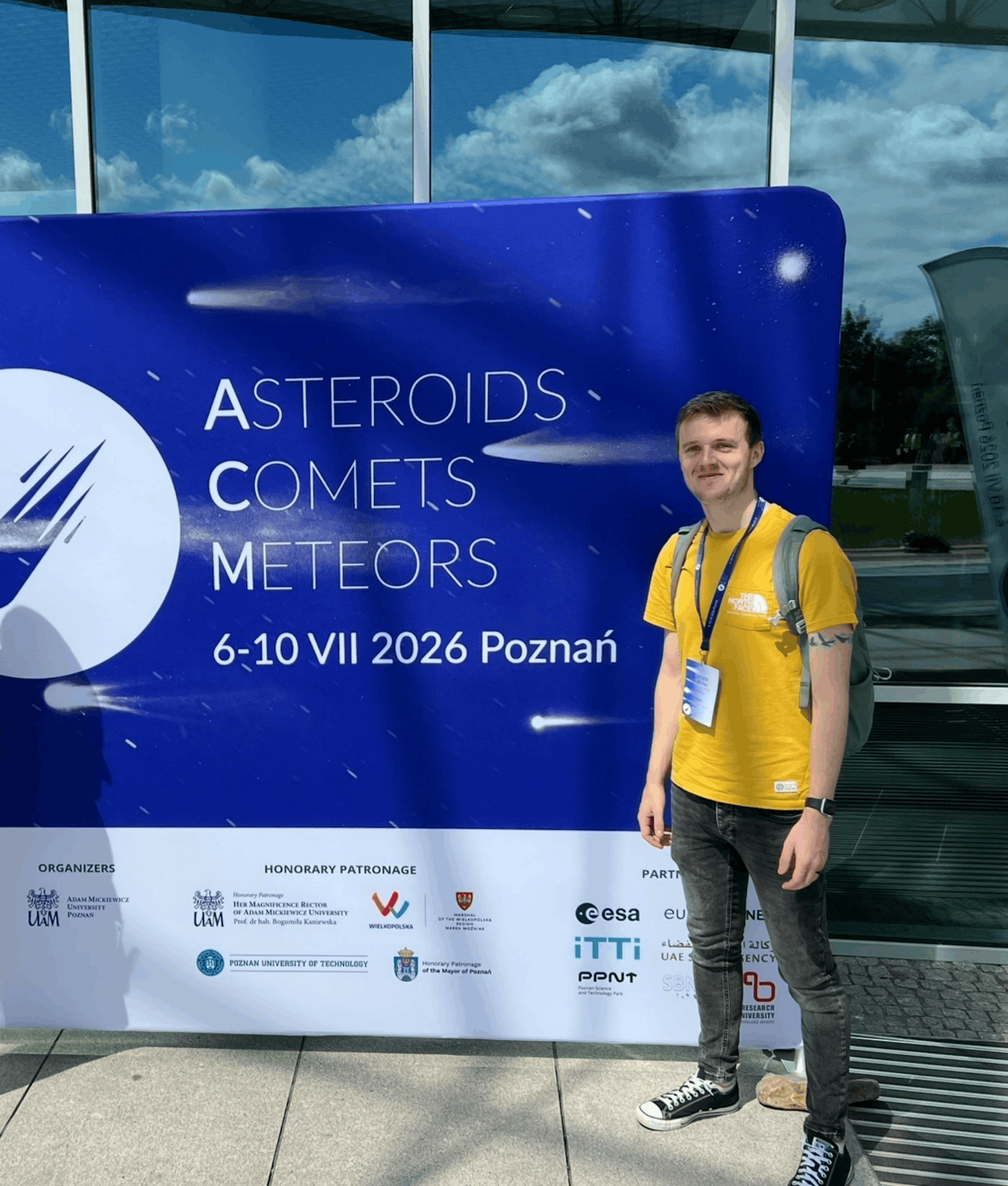
Poznań, Poland
6-10 July 2026
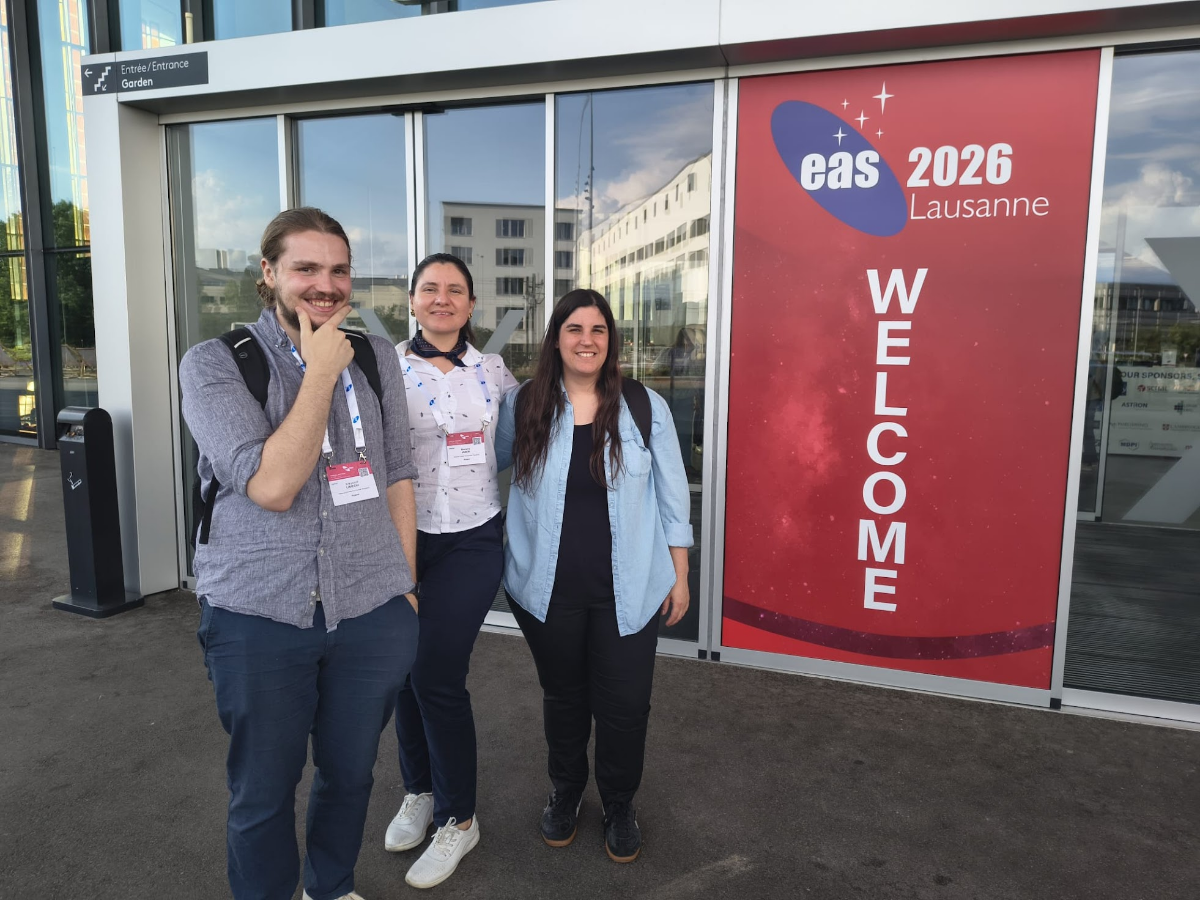
Lausanne, Switzerland
29 June - 3 July 2026
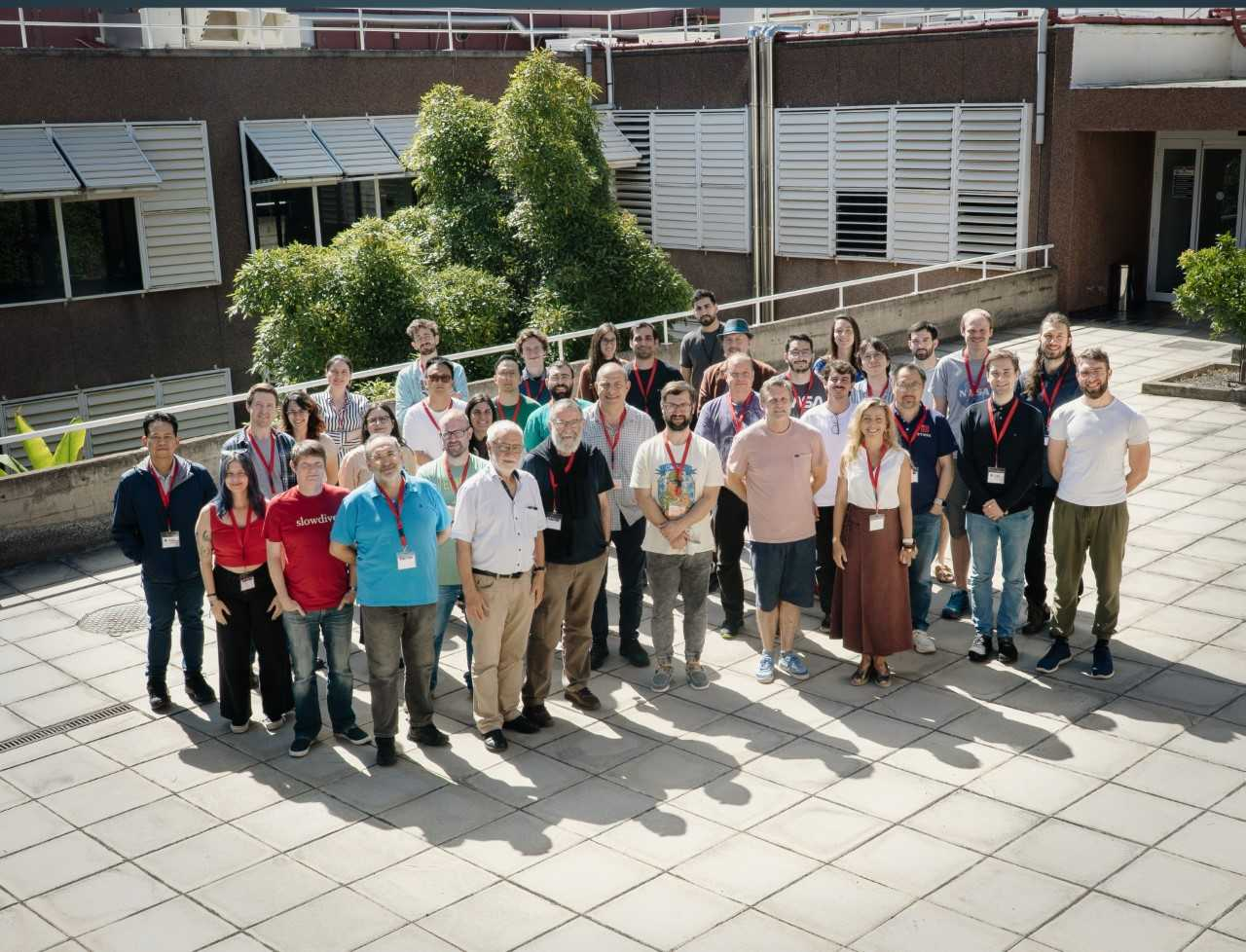
Tenerife, Spain
22-26 June 2026
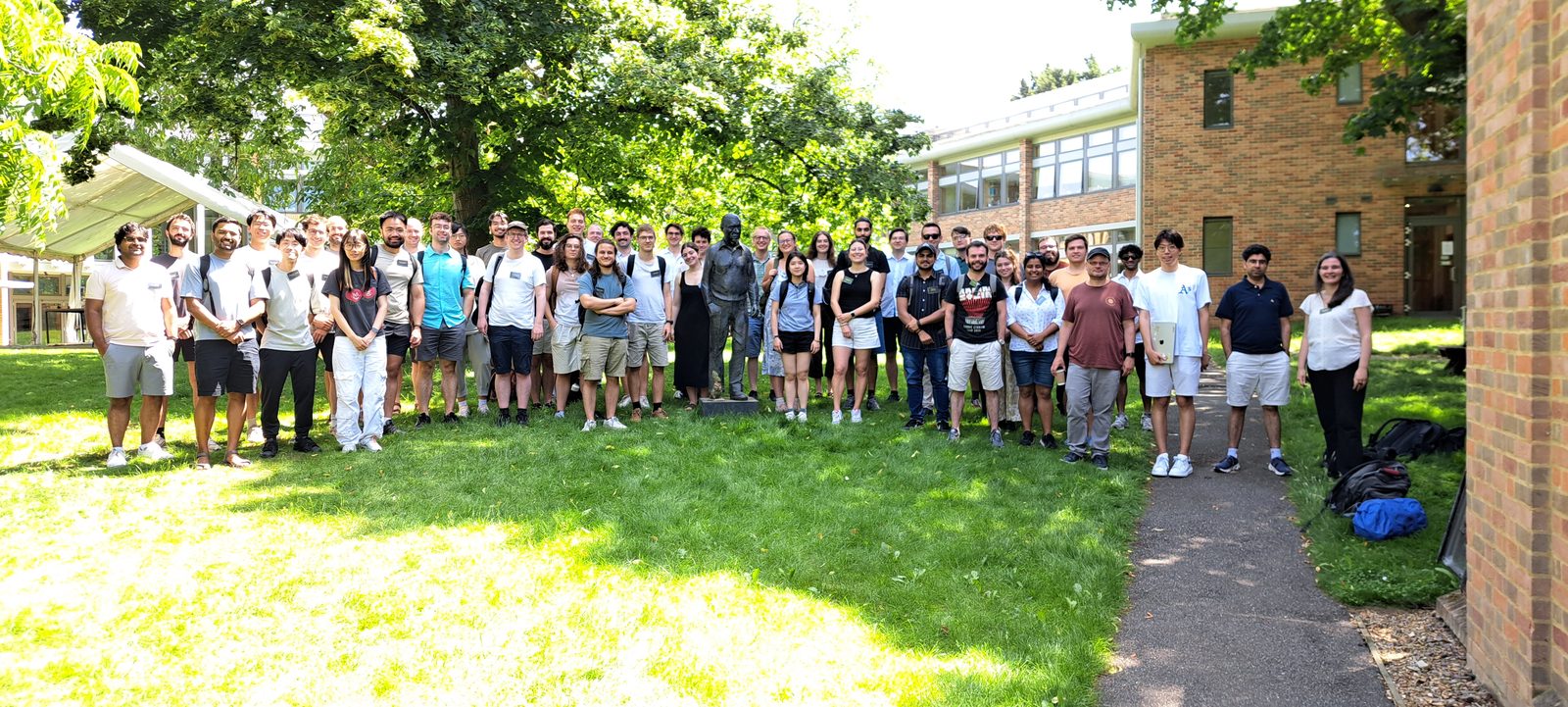
Cambridge, UK
22-26 June 2026
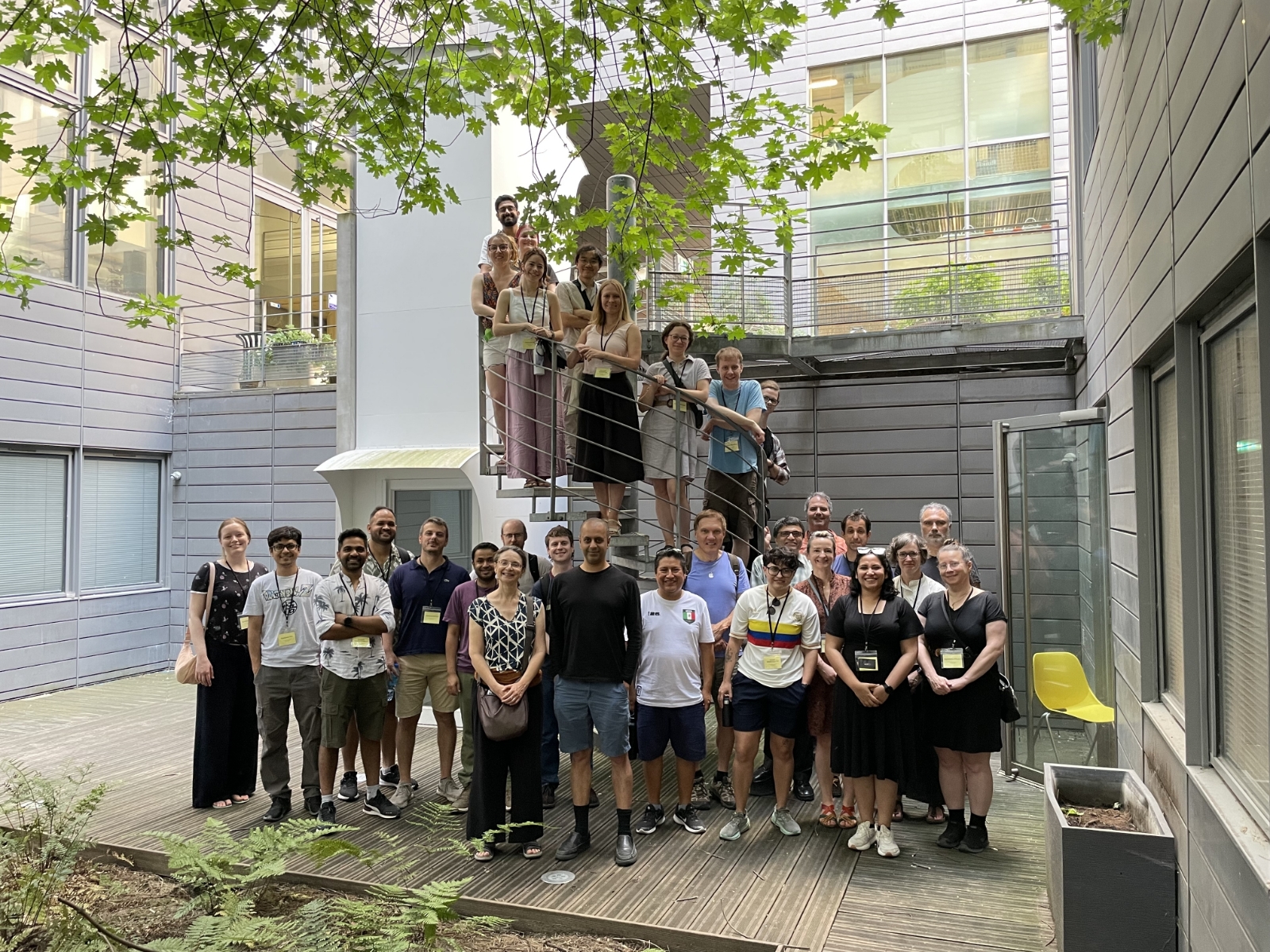
Paris, France
22-26 June 2026
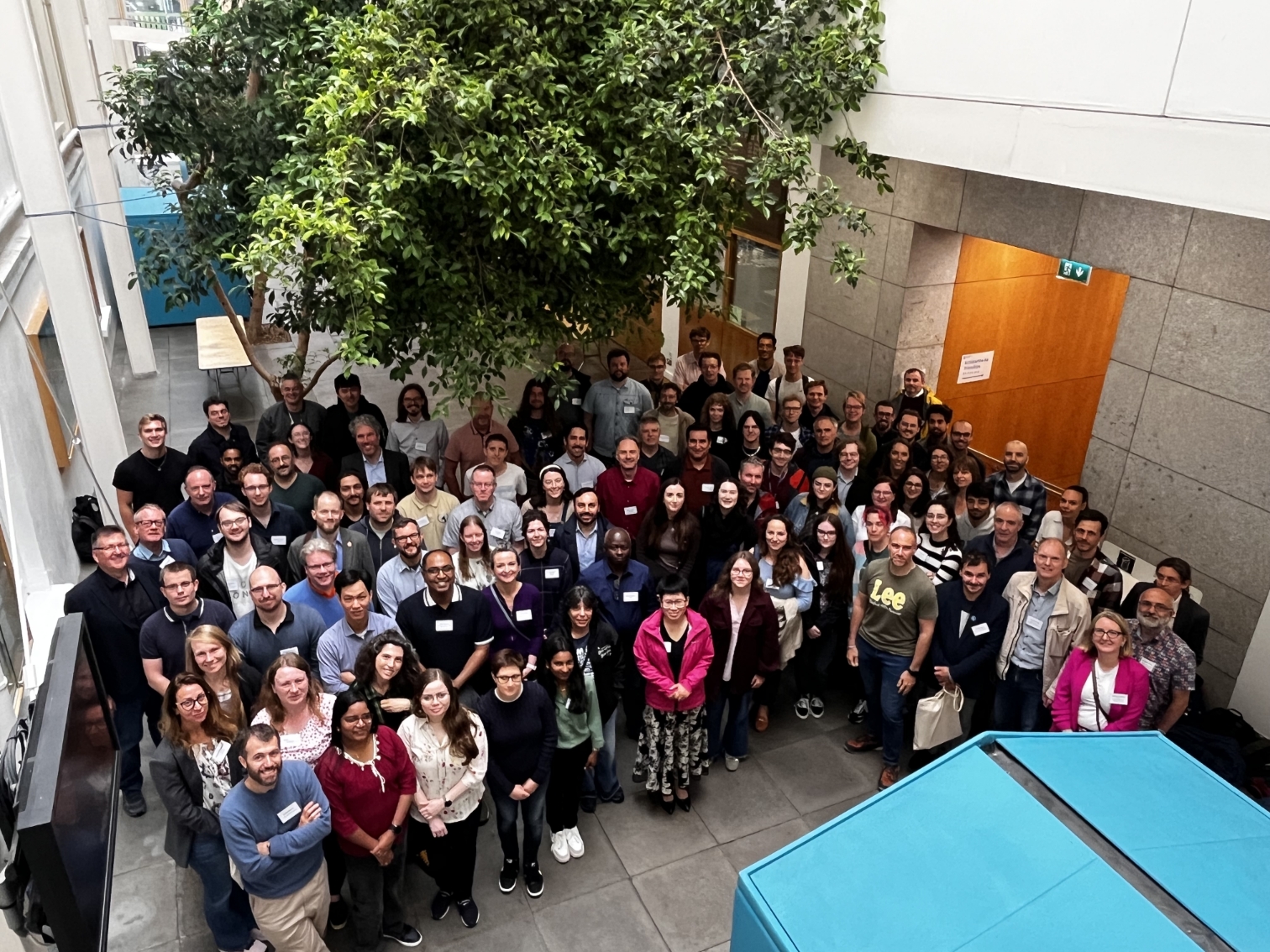
Dublin, Ireland
8-12 June 2026
Latest News
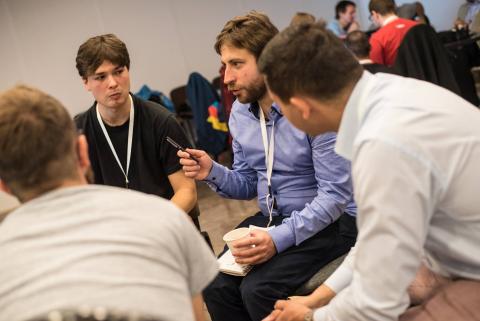
NCBJ researchers in a programming contest organized by Ministry of Digital Affairs
17 teams participated in Hackathon, a programing contest organized for the first time by Ministry of Digital Affairs on premises of National Library in Warsaw. 90 contest runners included 2 astrophysicist from NCBJ: Adam Zadrożny and Arkadiusz Ćwiek. Contest runners’ task was to develop software applications designed to facilitate everyday life of ordinary people by making use of data openly published by various institutions in the Internet.
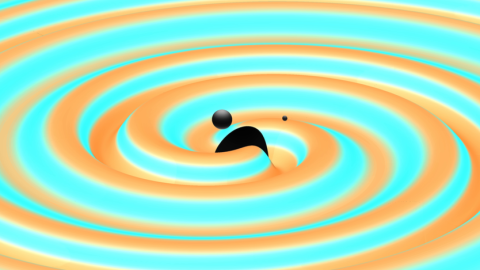
Gravitational waves detected from second pair of colliding black holes
On December 26, 2015 at 03:38:53 UTC the LIGO Scientific Collaboration and the Virgo collaboration observed gravitational waves – ripples in the fabric of spacetime – for the second time. The gravitational waves were detected by both of the twin Laser Interferometer Gravitational-Wave Observatory (LIGO) detectors, located in Livingston, Louisiana, and Hanford, Washington, USA.
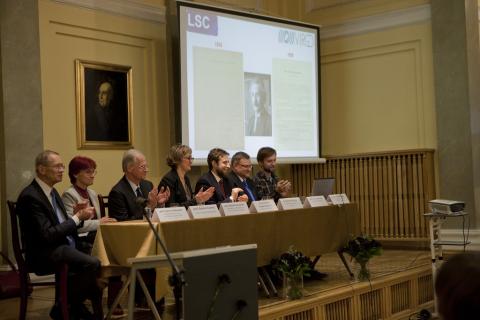
Gravitational waves discovered 100 years after Einstein had predicted them
For the first time in history scientists have observed some “wrinkles” on the spacetime “fabric”. These gravitational waves have arrived to Earth from a distant point in the Universe where some catastrophic event had taken place. The observation has confirmed one of the most profound consequences of the General Theory of Relativity proposed by Einstein in 1915 and has opened up quite new perspectives in research on the Universe.
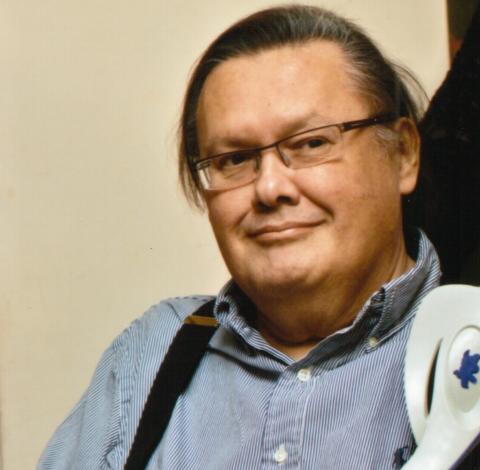
NON-LINEAR UNIVERSE - Roman Juszkiewicz 1st Symposium
70 cosmology researchers from the entire world – among them some world-famous scientists – are going to attend Symposium to be held between August 24-28 in Warsaw in commemoration of the most famous Polish cosmologist – late Professor Roman Juszkiewicz.