English
 Polish
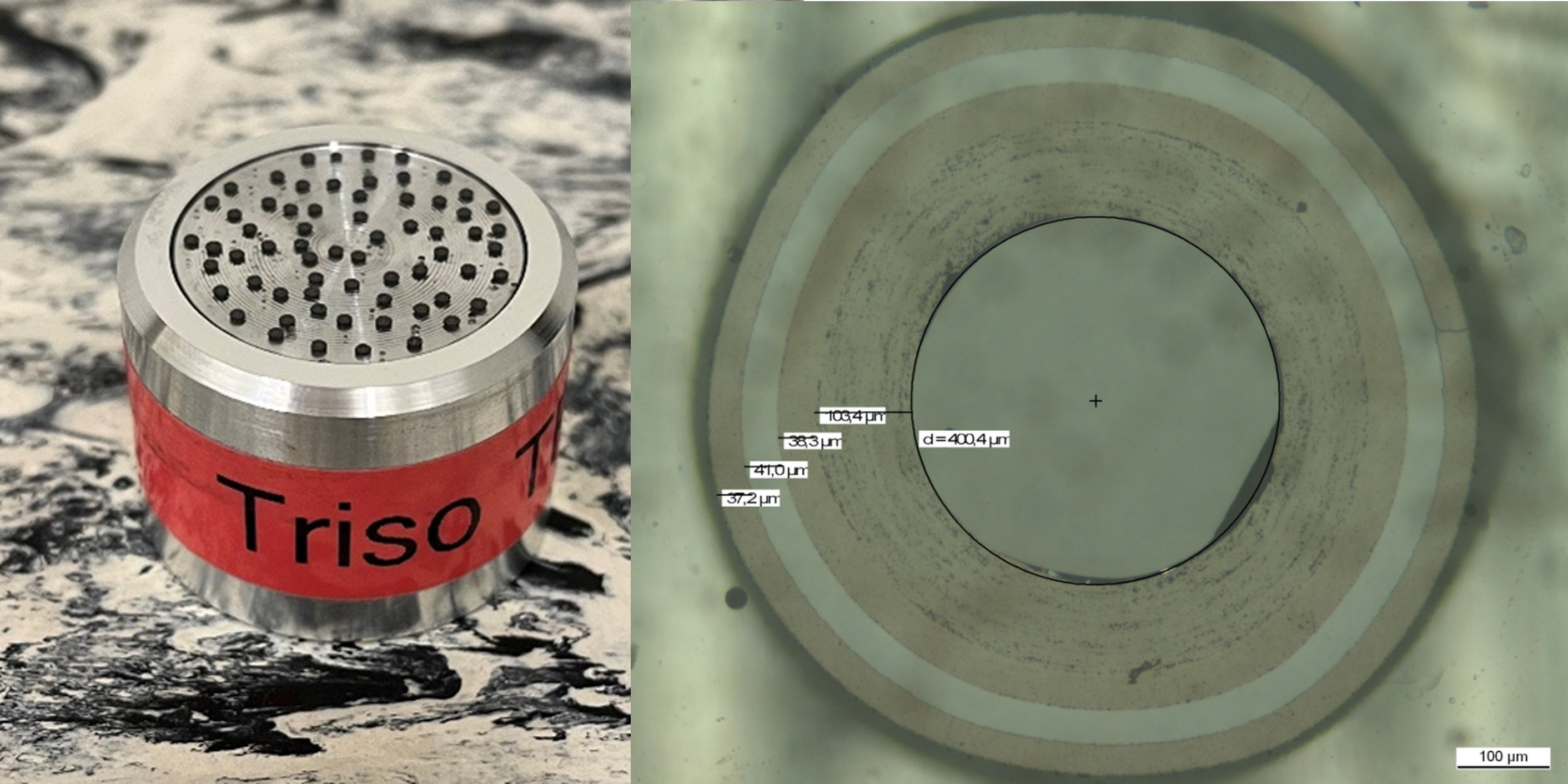
Researchers from NCBJ and JRC have developed procedures for testing the quality of TRISO fuel
21-10-2026
One of the key elements in ensuring the operational safety of future high-temperature reactors will be the testing of TRISO fuel, both before and after irradiation. Scientists from the National Centre for Nuclear Research and the European Commission’s Joint Research Centre have developed a procedure for preparing TRISO fuel samples for quality testing, which can be carried out in a laboratory or in hot cells.
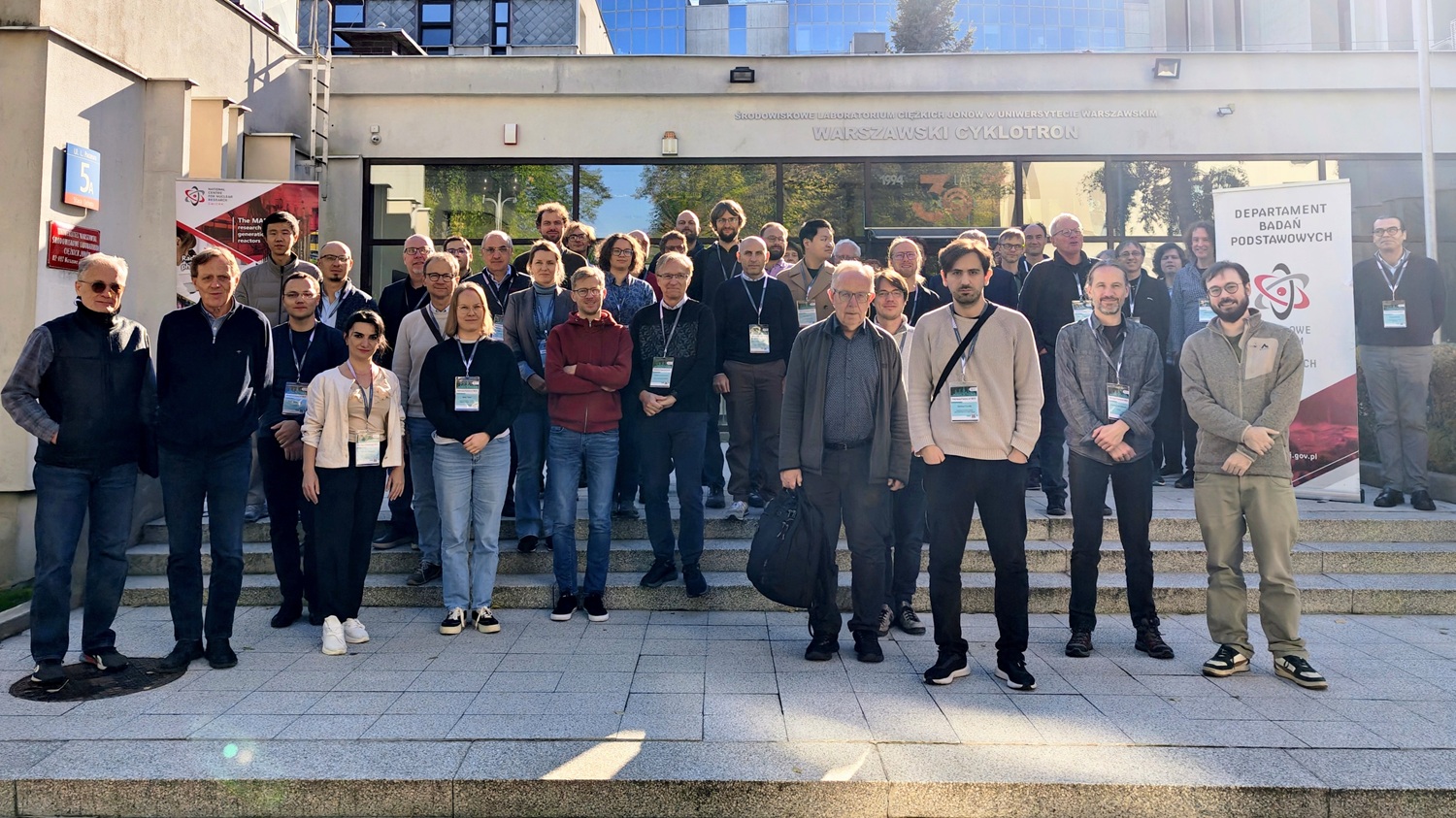
Various Faces of Quantum Chromodynamics
19-10-2026
Last weekend, physicists from the Department of Fundamental Research organized a workshop titled "Various Faces of QCD." This was the fifth edition of the biennial event, which aims primarily to discuss the latest theoretical and experimental findings concerning strong interactions.
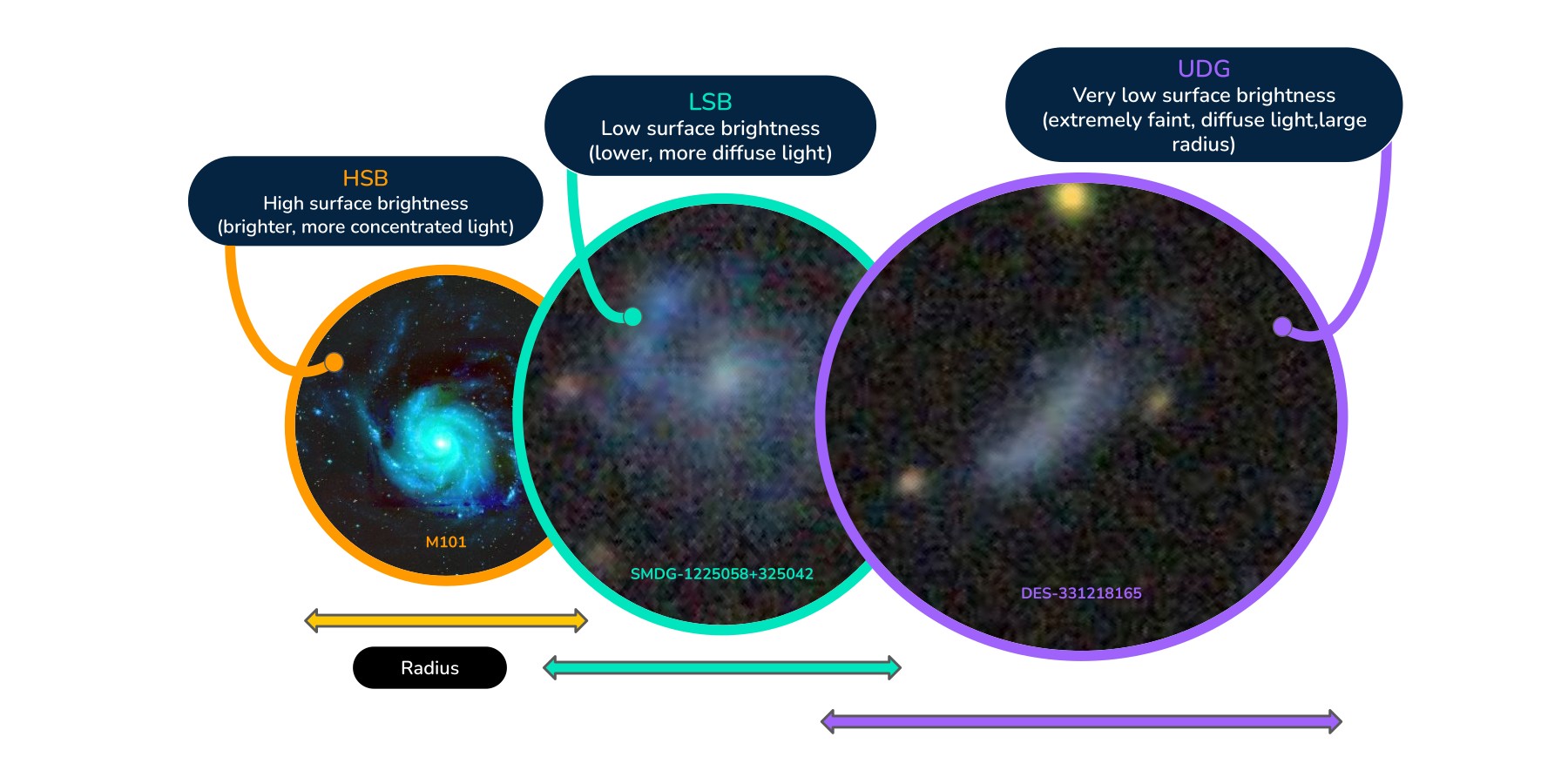
The faintest lights: Exploring the properties of the largest barely visible galaxies
16-10-2026
When we look up at the night sky, bright celestial objects naturally draw most of our attention. However, the cosmos also contains hidden objects that are important for understanding how galaxies evolve: low surface brightness galaxies (LSBGs) and Ultra-diffuse galaxies (UDGs). It is crucial to understand their properties, as well as the history of their formation and evolution. In a newly published paper, a team of scientists from the Astrophysics Division of the National Centre for Nuclear Research, led by the PhD student Antonio Vanzanella, has investigated new candidates for UDG galaxies in order to confirm their nature and precisely determine their properties.
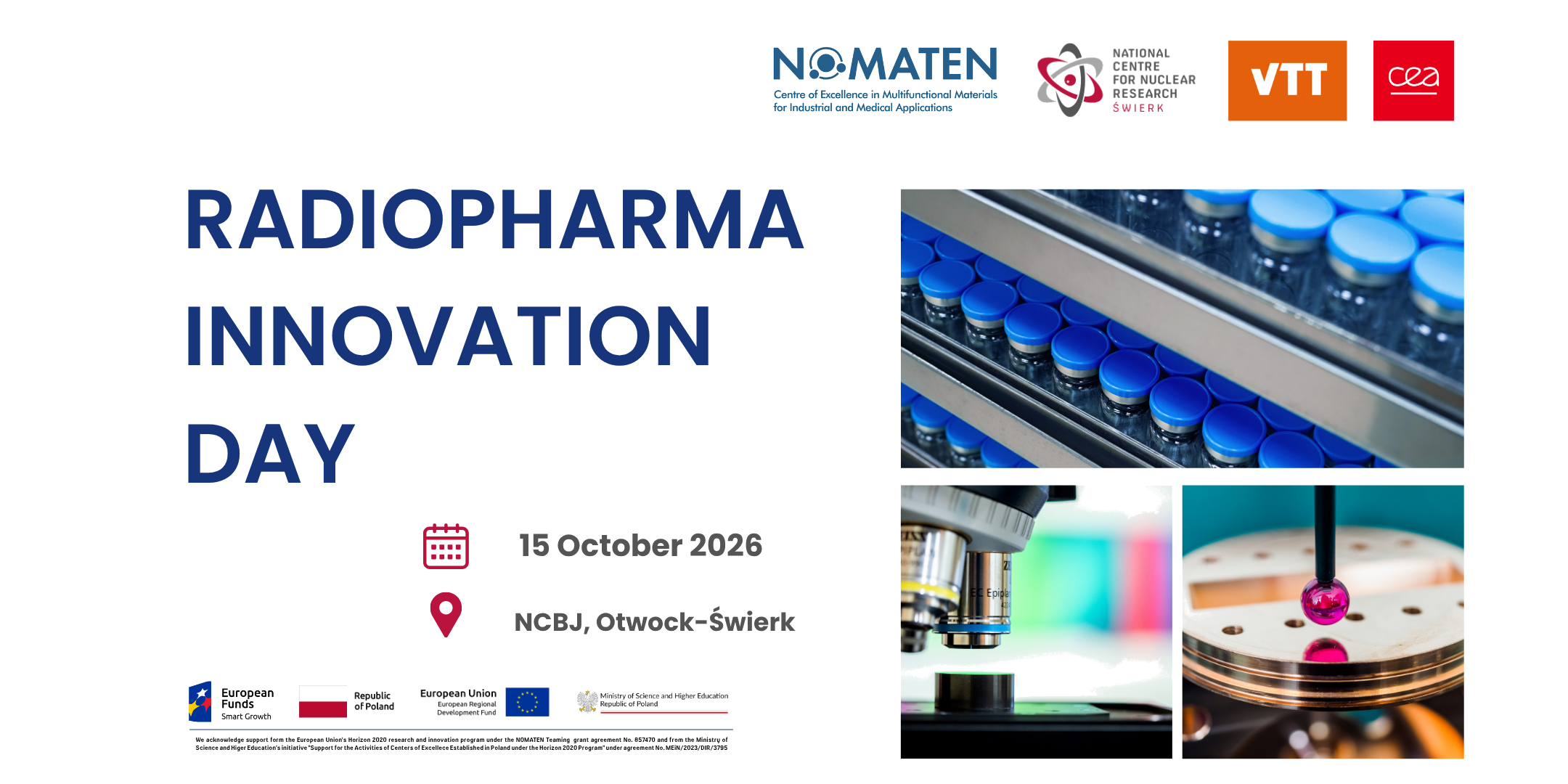
Radiopharma Innovation Day 2026 – Science and Industry Together for the Future of Radiopharmacy
14-10-2026
On October 15, 2026, the National Centre for Nuclear Research will host the first-ever Radiopharma Innovation Day 2026 – an event dedicated to the latest achievements and future directions in the development of radiopharmaceuticals. The event is organized by the NOMATEN Center of Excellence, which operates within the NCBJ.
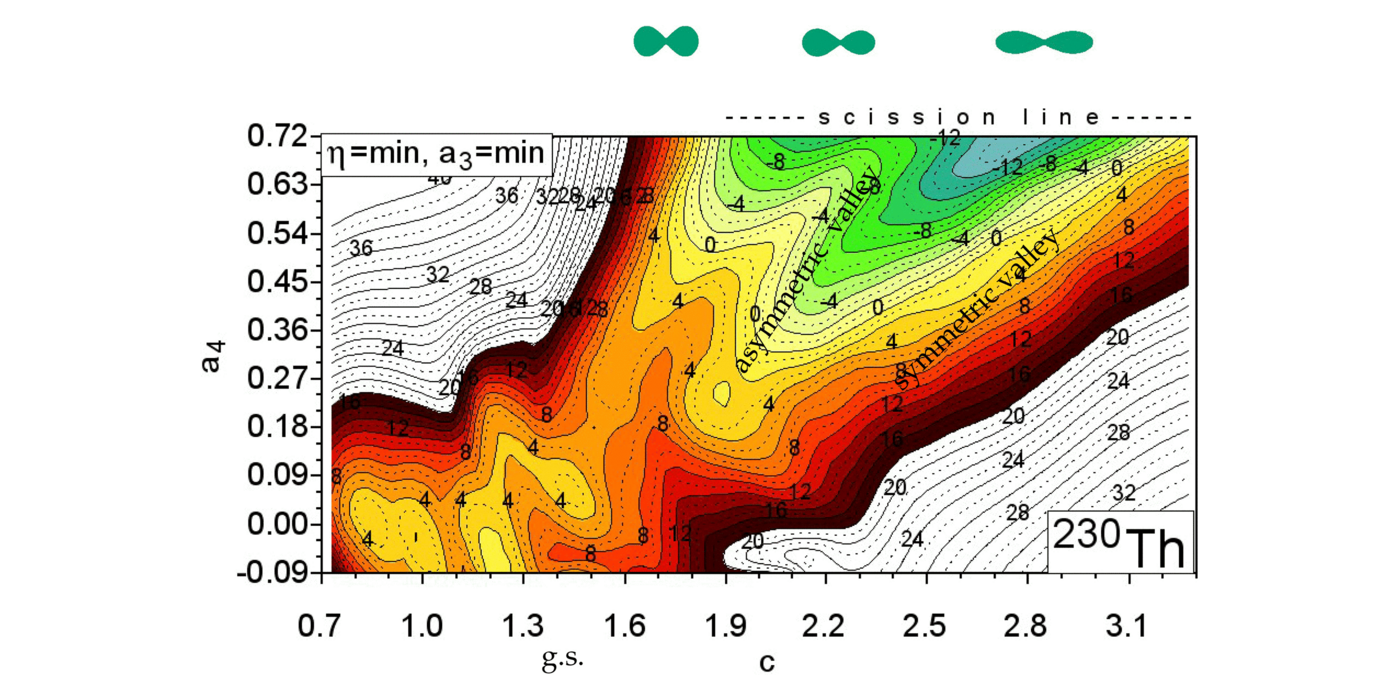
How can we describe Nuclear Fission?
14-10-2026
Four authors from the National Centre for Nuclear Research - Aleksander Augustyn, Tomasz Cap, Michał Kowal, and Krzysztof Pomorski - have compared two methods for describing nuclear fission. Their paper has just been published in Physical Review C and selected by the editors as an Editors’ Suggestion.
Cosmic Chronometers: What relic galaxies tell us about the expansion of the Universe
13-10-2026
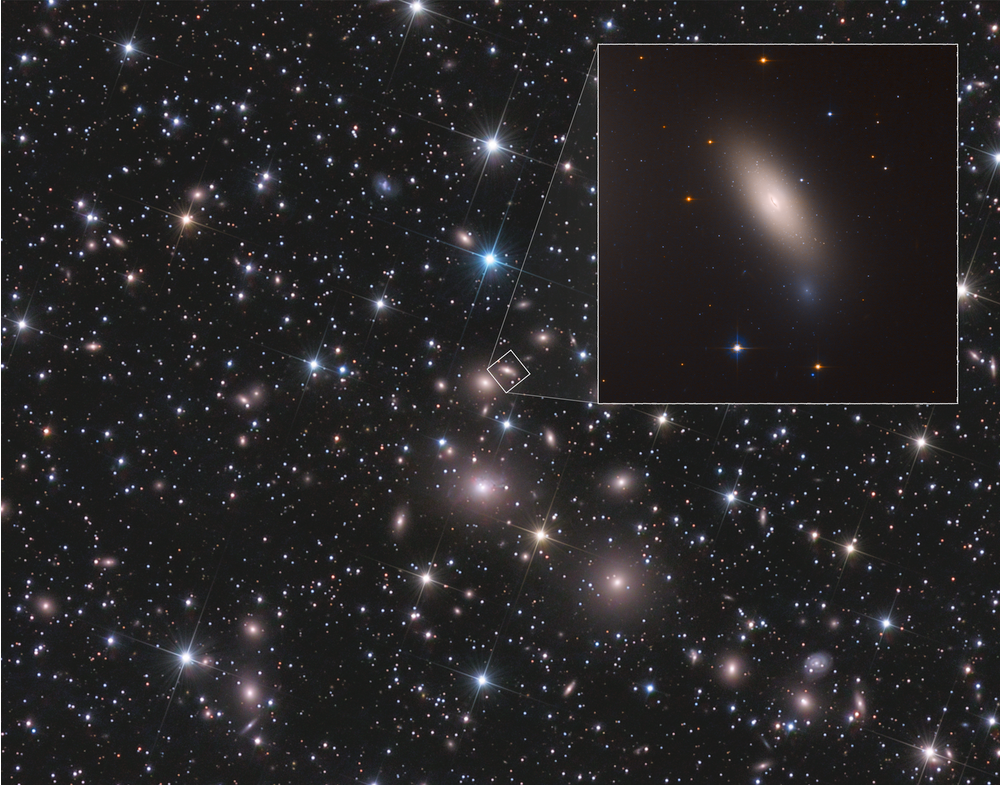
According to currently accepted cosmological models, our Universe is constantly expanding, and the rate of this expansion continues to increase. However, measuring this rate poses a major challenge for scientists, which is why new methods are being sought, such as the study of so-called compact relic galaxies. In a recently published paper, a team of researchers from the Astrophysics Division of the National Centre for Nuclear Research has shown that these extraordinary objects may allow for a more accurate determination of the rate at which the Universe is expanding.
08
Oct
2026
Postdoc | BP3 572
Deadline: 29-10-2026
The National Centre for Nuclear Research opens the competition for the position of Postoc at the High Energy Physics Division (ref. BP3_572)
NCBJ researchers featured in the latest Top 2% Scientists ranking
08-10-2026
Stanford University and Elsevier have published a new list of the Top 2% Scientists. This annual ranking features researchers who make key contributions to the advancement of science. Once again this year, the list includes the names of scientists from the National Centre for Nuclear Research.
New MINIATURA grant for research into the consistency of AI models in nuclear sciences
08-10-2026
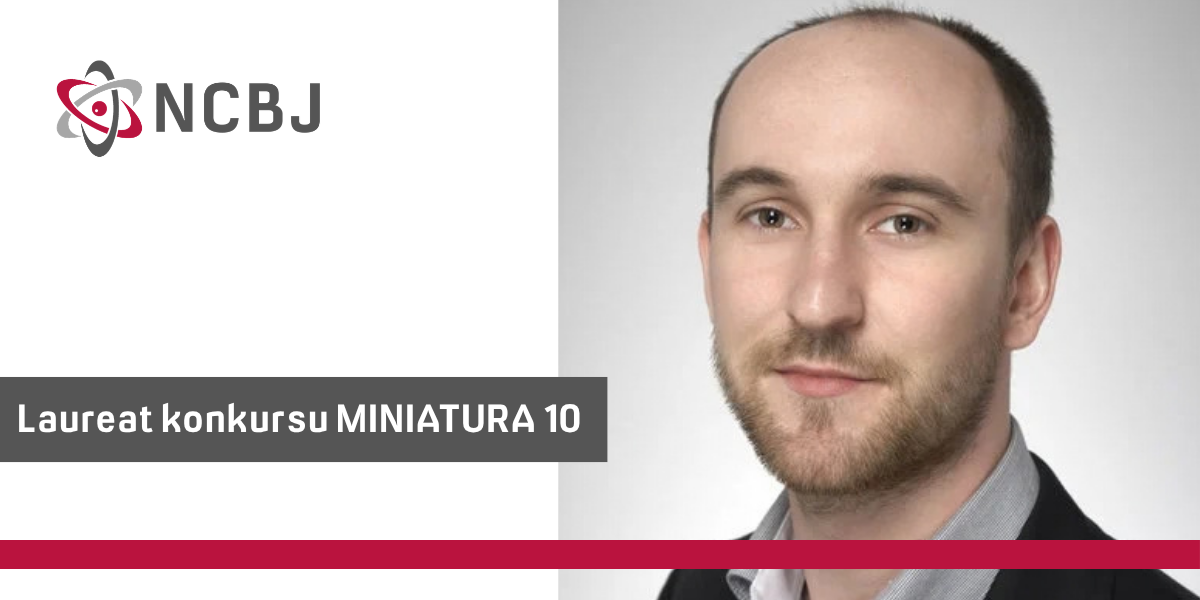
The National Science Centre has announced the ranking list for the latest edition of the MINIATURA 10 competition. Among the winners was a project by dr inż. Wojciech Kubiński, from the NCBJ’s Reactor Research Division, entitled “Assessment of the physical consistency of artificial intelligence models in nuclear sciences based on OECD NEA benchmark data”.
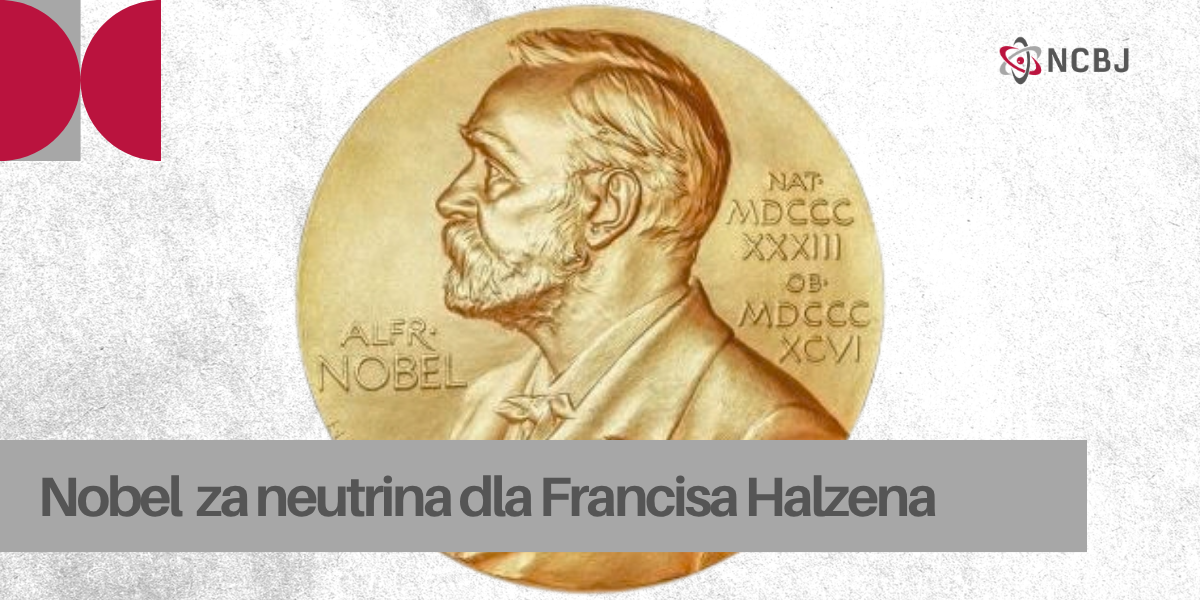
The Nobel Prize in Physics for the IceCube Neutrino Observatory
06-10-2026
The Royal Swedish Academy of Sciences has awarded the Nobel Prize in Physics to Francis Halzen for his pivotal contribution to the establishment of the IceCube Neutrino Observatory.