English
 Polish
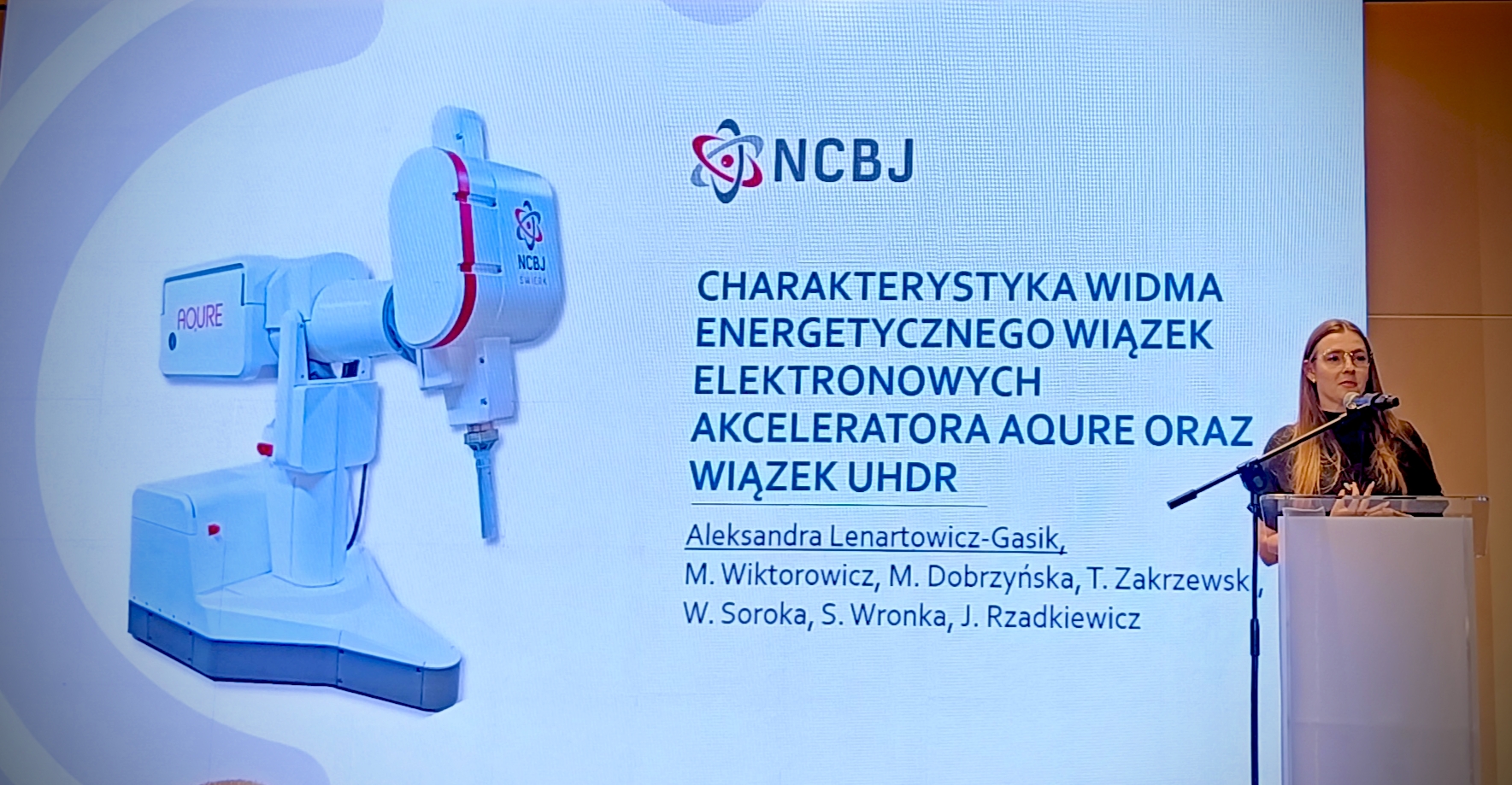
The AQURE accelerator presented at the Congress of the Polish Society of Medical Physics
06-10-2026
From 30 September to 3 October 2026, during the 19th Congress of the Polish Society of Medical Physics (PTFM) in Gdańsk, AQURE was presented to the general public for the first time – a mobile intraoperative accelerator, the result of collaboration between the National Centre for Nuclear Research (NCBJ) and the Wielkopolska Oncology Centre in Poznań (WCO).
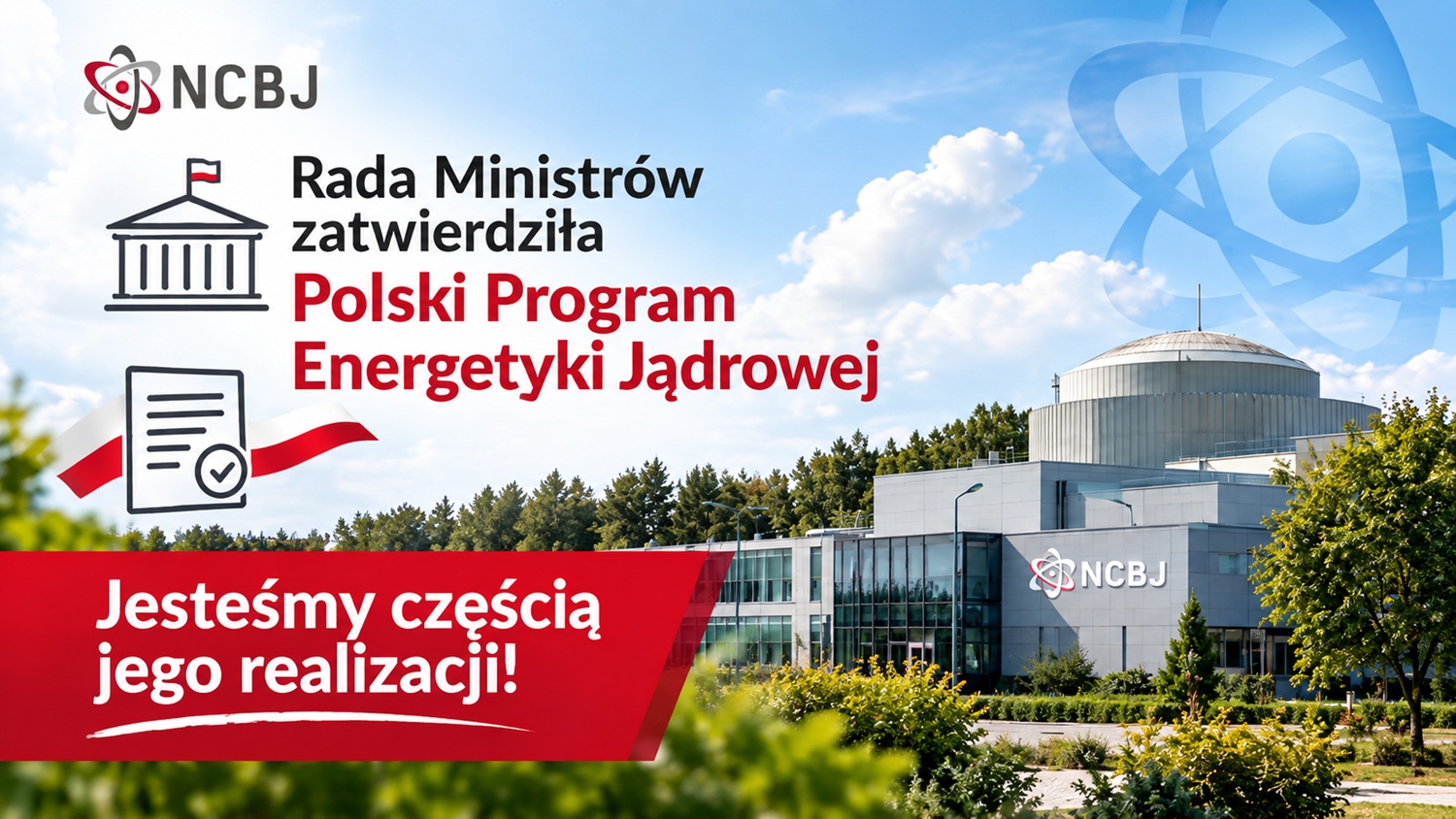
The Council of Ministers has approved the Polish Nuclear Power Programme!
30-09-2026
During this year’s Energy Days 2026 in Katowice, Miłosz Motyka from the Ministry of Energy announced that the Council of Ministers had adopted an update to the Polish Nuclear Power Programme (PPEJ) and was proceeding with work on the State Energy Policy (PEP).
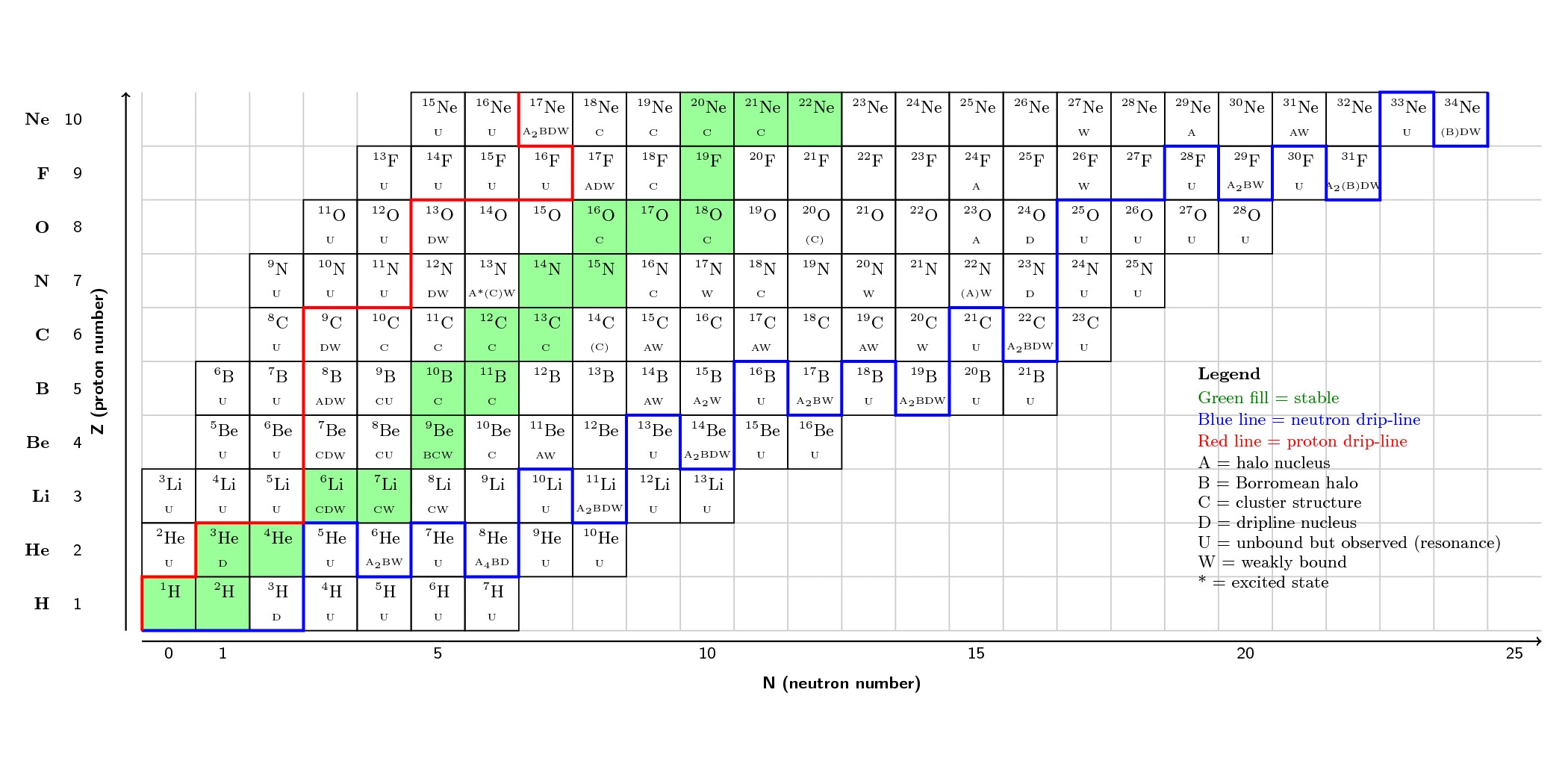
As easy as ABC: how to classify exotic nuclei
30-09-2026
With the progress of science, over 3000 nuclear isotopes have already been discovered, many with various exotic properties. Researchers all around the world search for a universal classification scheme to properly describe them to a modern standard. A group of scientists from the National Centre for Nuclear Research and University of Padova in Italy proposed a novel naming scheme for nuclei, based on definitions and properties that characterize modern nuclear physics.
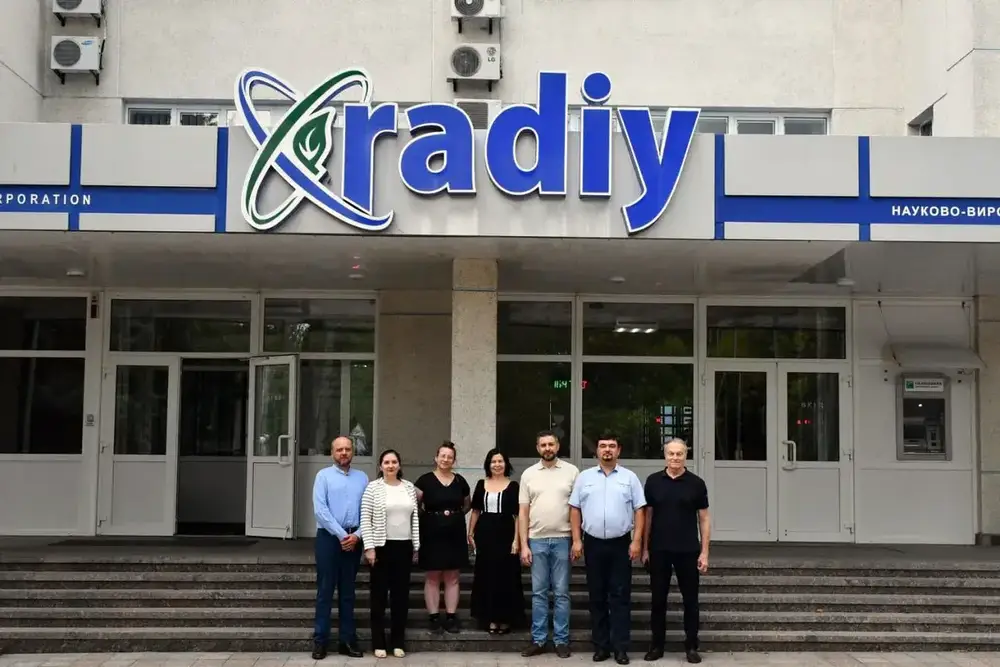
Visit of NCBJ Deputy Director, Prof. Agnieszka Pollo, to the Ukrainian company Radiy
25-09-2026
At the end of August, a meeting was held at the Radiy research and production enterprise in Kropyvnytskyi between representatives of Radiy, the National Aerospace University “Kharkiv Aviation Institute”, and the National Center for Nuclear Research (NCBJ), represented by Prof. Agnieszka Pollo, Deputy Director for Scientific Affairs at the NCBJ.
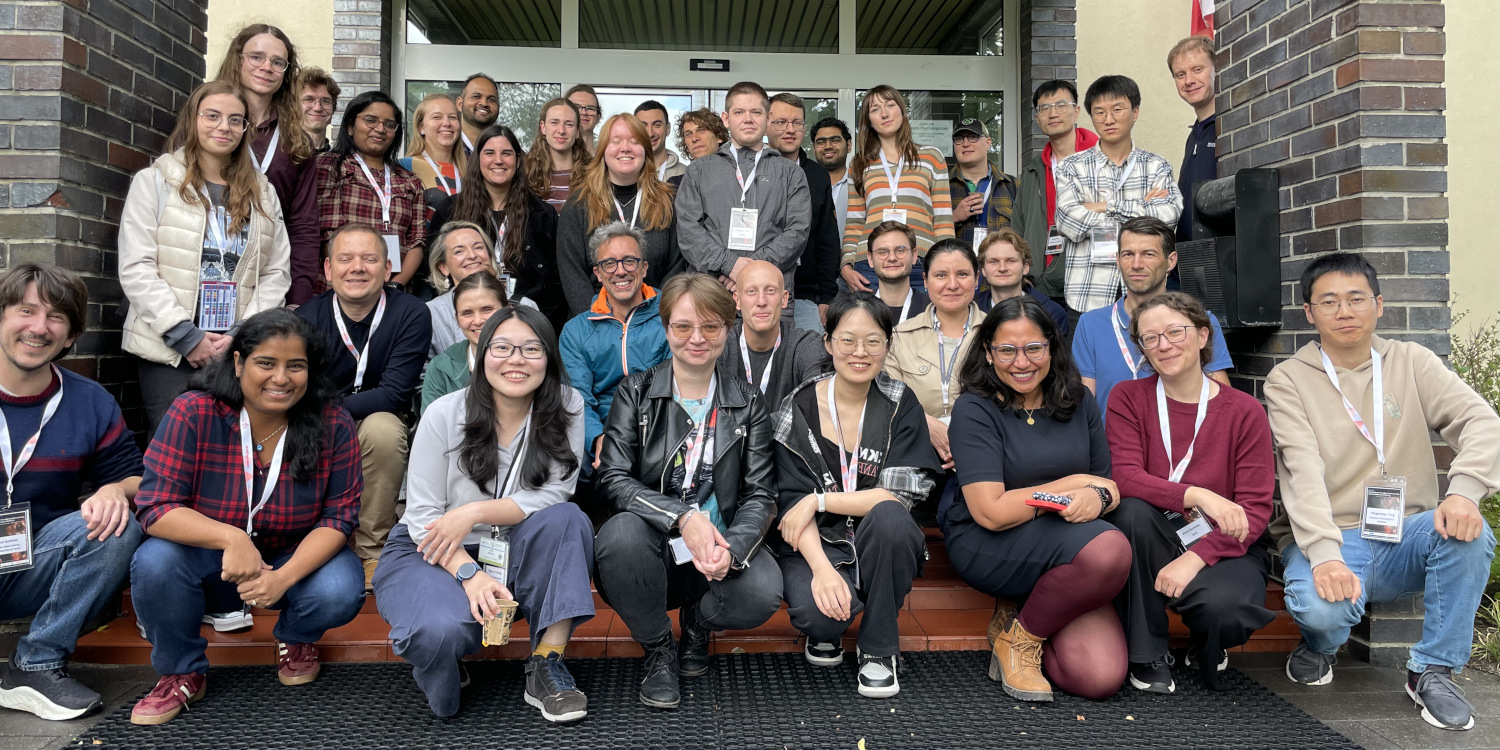
Why are machine learning and statistical methods crucial in astrophysics and cosmology? The VISTULA workshop at the NCBJ
25-09-2026
Machine learning and modern statistical methods are becoming key tools in astrophysics and cosmology – from processing observational data and photometric redshifts to time-domain discoveries, image classification and parameter inference. From 21 to 25 September, the Astrophysics Division of the National Centre for Nuclear Research hosted the "Viewing Space Through Machine Learning and Astrostatistics" (VISTULA) workshop. It provided a structured introduction to the fundamentals of statistics and the concepts of machine learning.
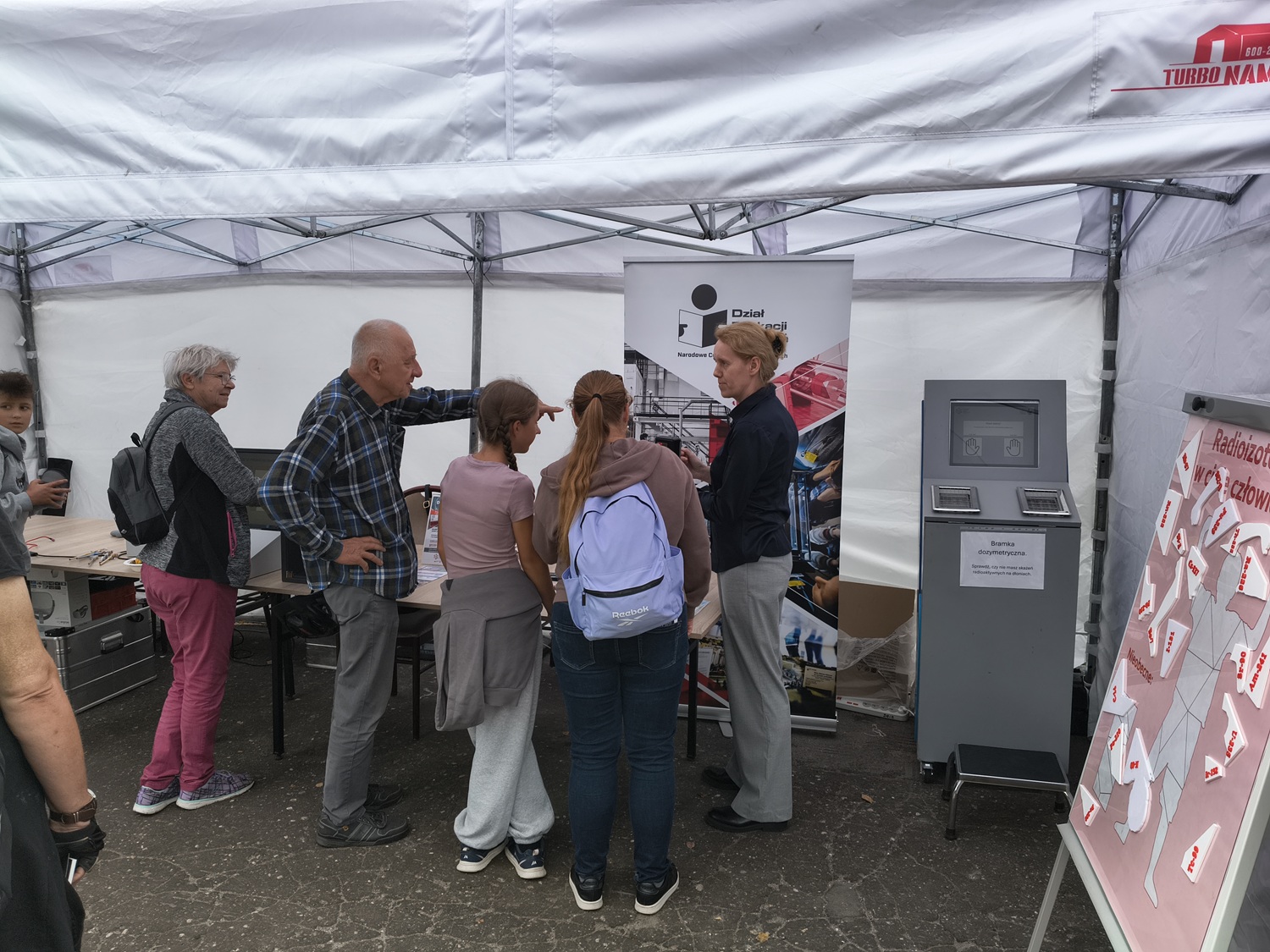
A busy September in the NCBJ’s Education and Training Division
25-09-2026
September is an exceptionally busy time for the Education and Training Division when it comes to popularising science. Over the last few days, staff from the Education and Training Division have been sharing their knowledge of nuclear physics and demonstrating that topics such as radiation, reactors and nuclear power can be discussed in an engaging and accessible way.
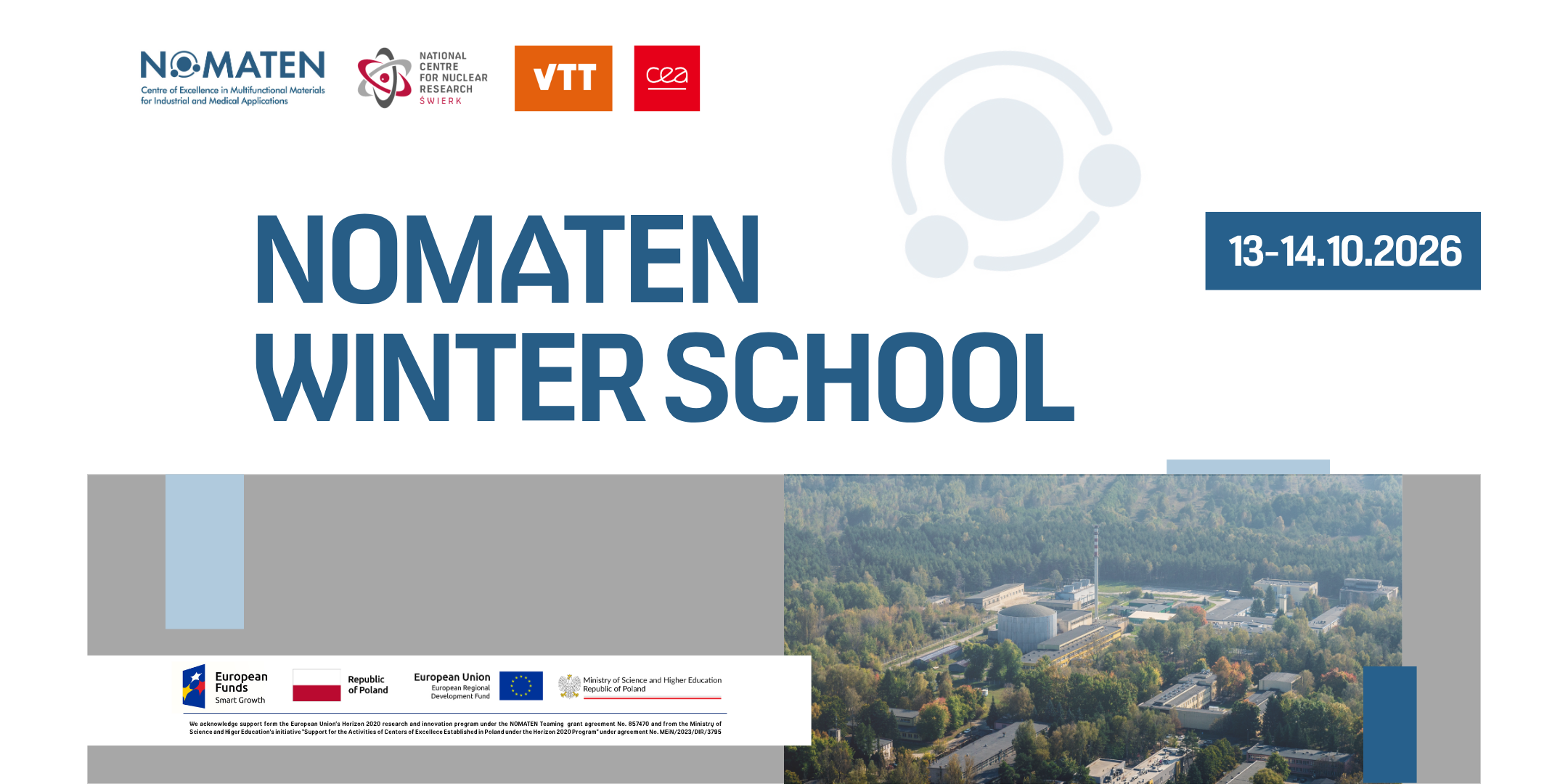
NOMATEN Winter School 2026 – Advancing research through international collaboration
25-09-2026
On 13–14 October 2026, the National Centre for Nuclear Research will host the sixth edition of the NOMATEN Winter School. Organized annually by the three partners of the NOMATEN Teaming project – NCBJ, the French Alternative Energies and Atomic Energy Commission (CEA) and the VTT Technical Research Centre of Finland – the event brings together researchers, PhD students and experts to share scientific achievements, exchange knowledge and strengthen international research collaboration.
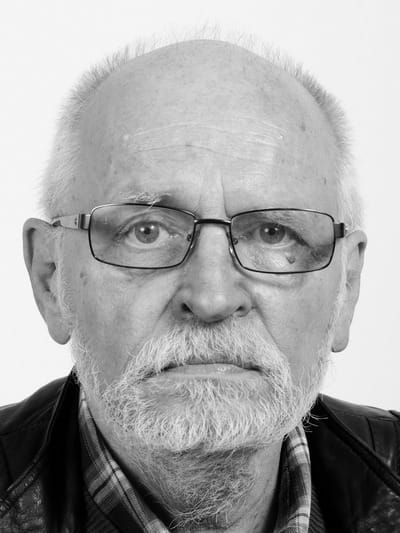
Prof. Zbigniew Guzik, DSc, Has Passed Away
25-09-2026
It is with deep sorrow that we announce the passing of Prof. Zbigniew Guzik, DSc, who died on September 21, 2026, at the age of 82. We extend our deepest condolences to his family, loved ones, and friends.
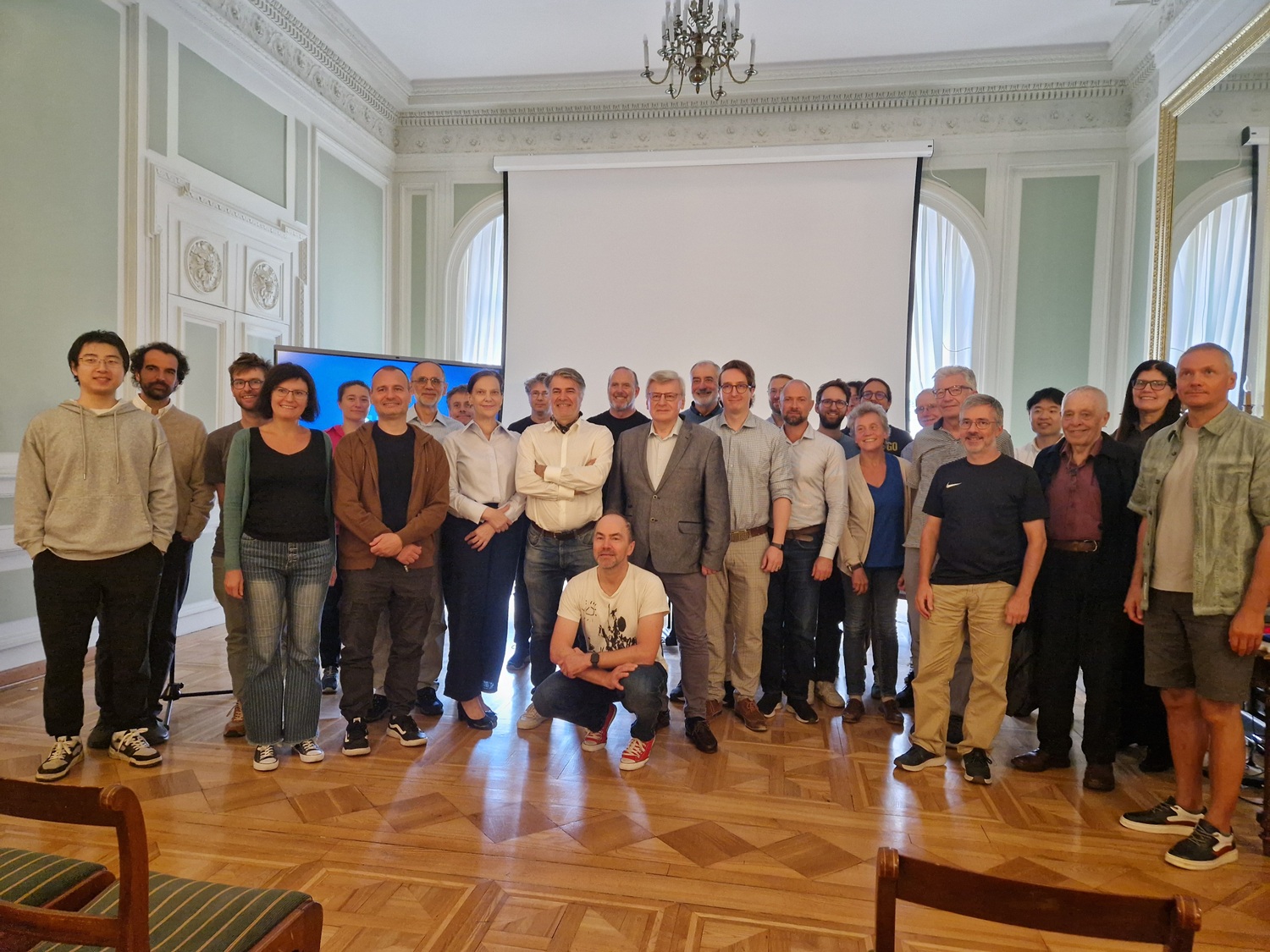
Theoretical physicists from the NCBJ at a conference bridging elementary particles and cosmology
24-09-2026
On September 14-18, 2026, Prof. K. Kowalska and Prof. E. Sessolo of NCBJ attended the international conference "Particle Physics in the Early Universe" in Paris. This prestigious event was co-organized by the Polish Academy of Sciences Scientific Center in Paris, the Institute for Advanced Studies of the University of Warsaw, and IJCLab Orsay.
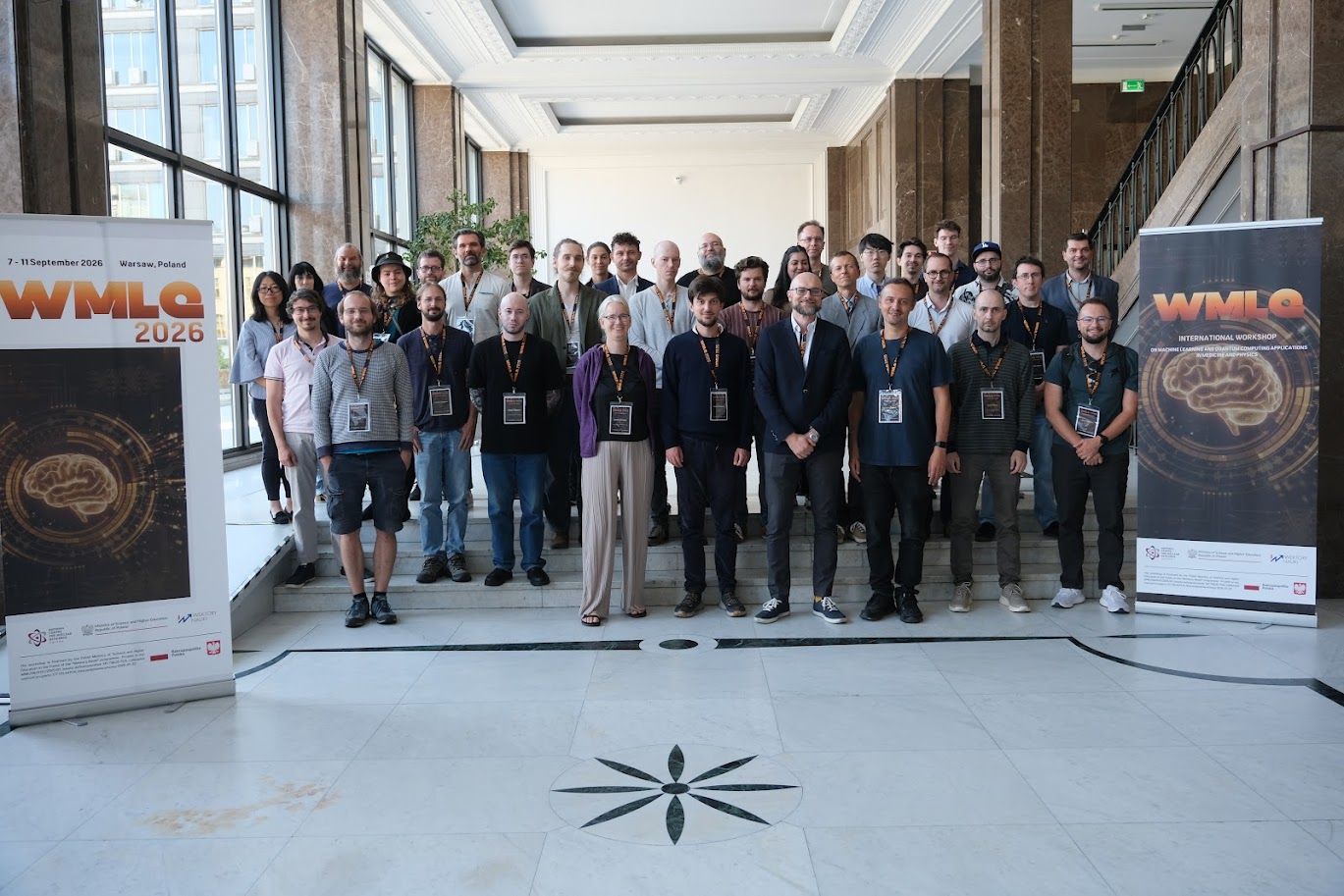
WMLQ2026 is now complete!
23-09-2026
What do research into galaxy collisions have in common with cancer treatment? More than one might think. In September, Warsaw hosted physicists, medical imaging specialists and computer scientists from Europe, Japan and the US. The third edition of the International Workshop on Machine Learning and Quantum Computing Applications in Medicine and Physics demonstrated once again that the same tools can solve completely different problems.