English
 Polish
Why are machine learning and statistical methods crucial in astrophysics and cosmology? The VISTULA workshop at the NCBJ
25-09-2026
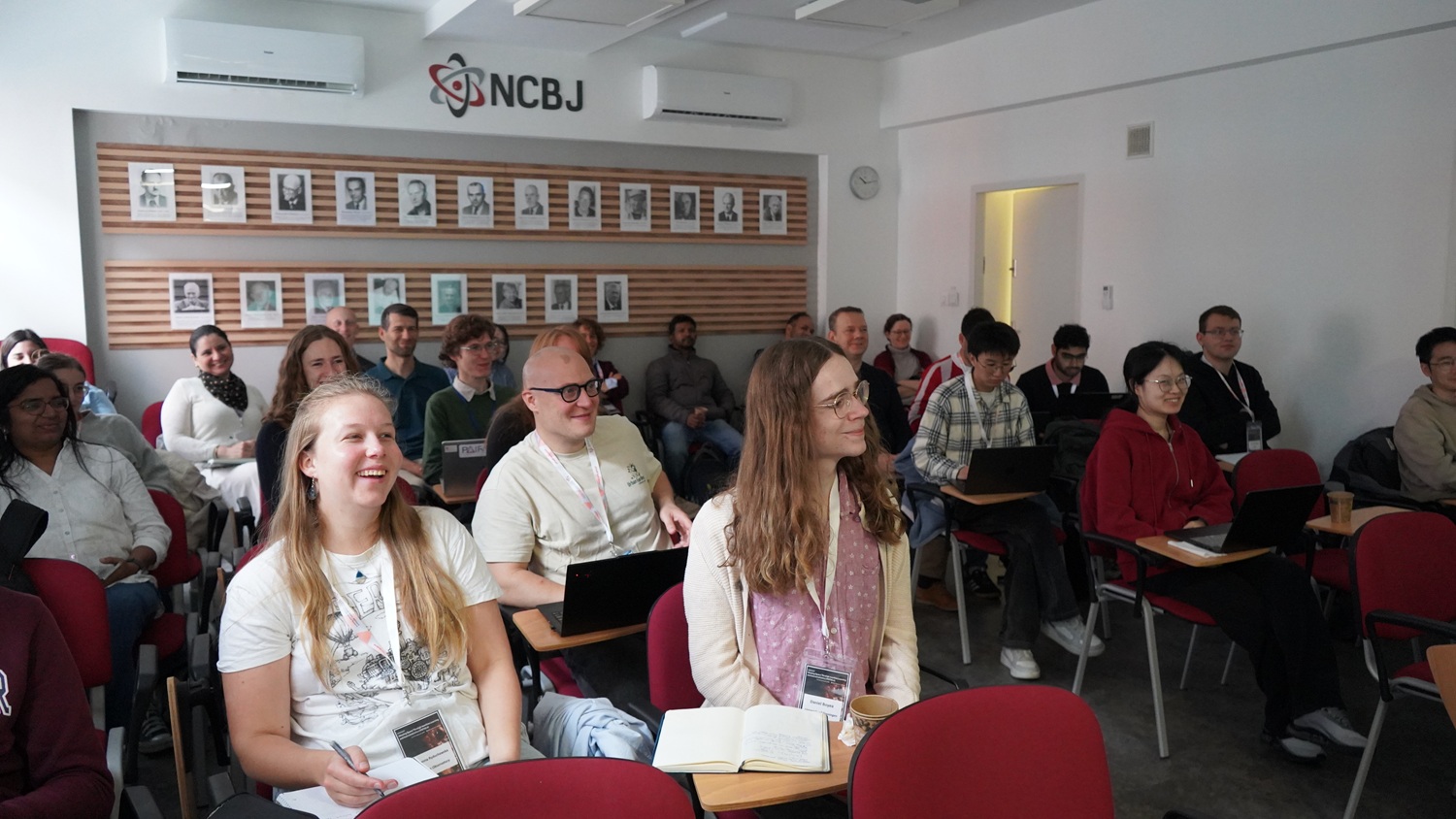
Machine learning and modern statistical methods are becoming key tools in astrophysics and cosmology – from processing observational data and photometric redshifts to time-domain discoveries, image classification and parameter inference. From 21 to 25 September, the Astrophysics Division of the National Centre for Nuclear Research hosted the "Viewing Space Through Machine Learning and Astrostatistics" (VISTULA) workshop. It provided a structured introduction to the fundamentals of statistics and the concepts of machine learning.
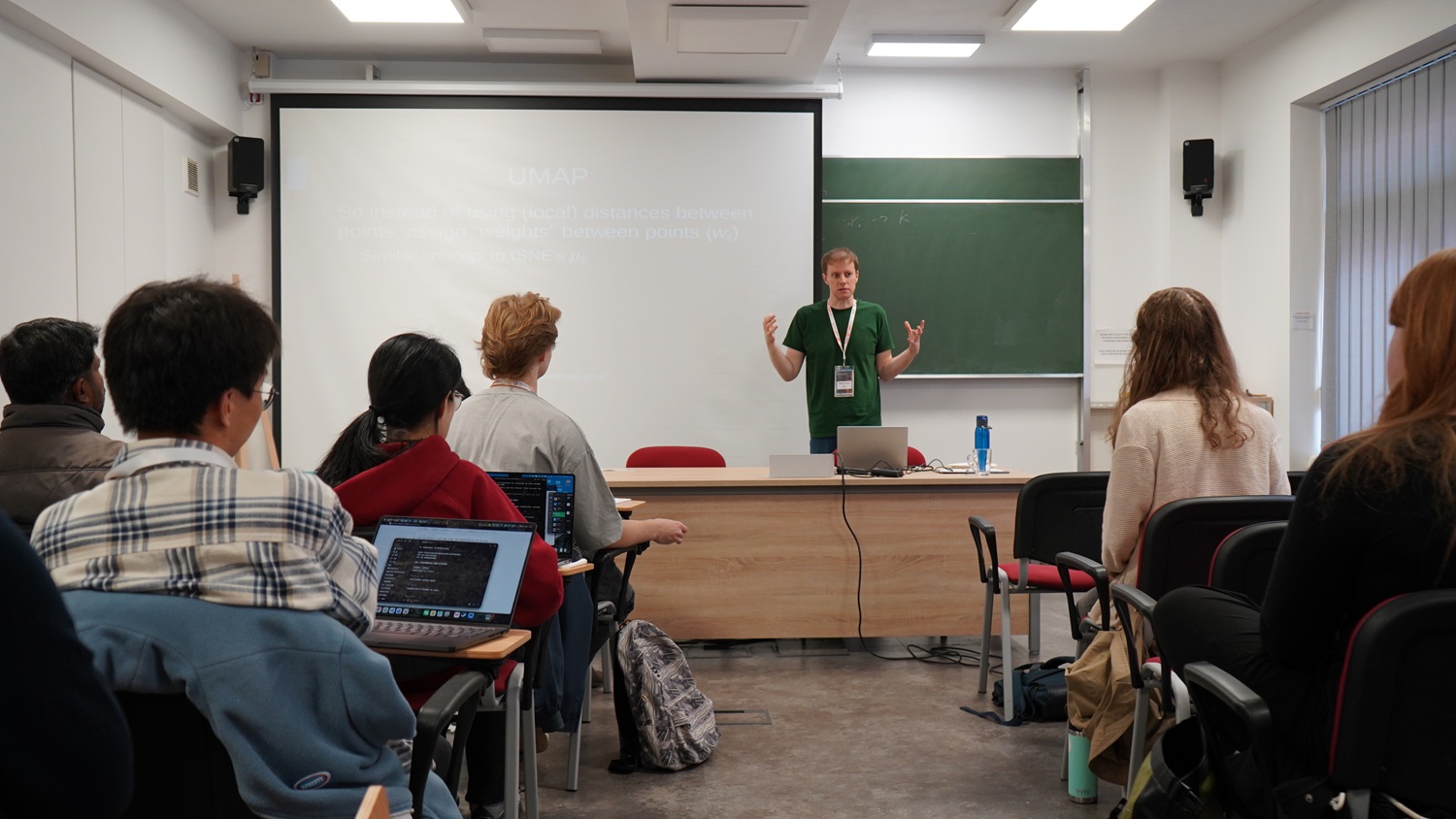
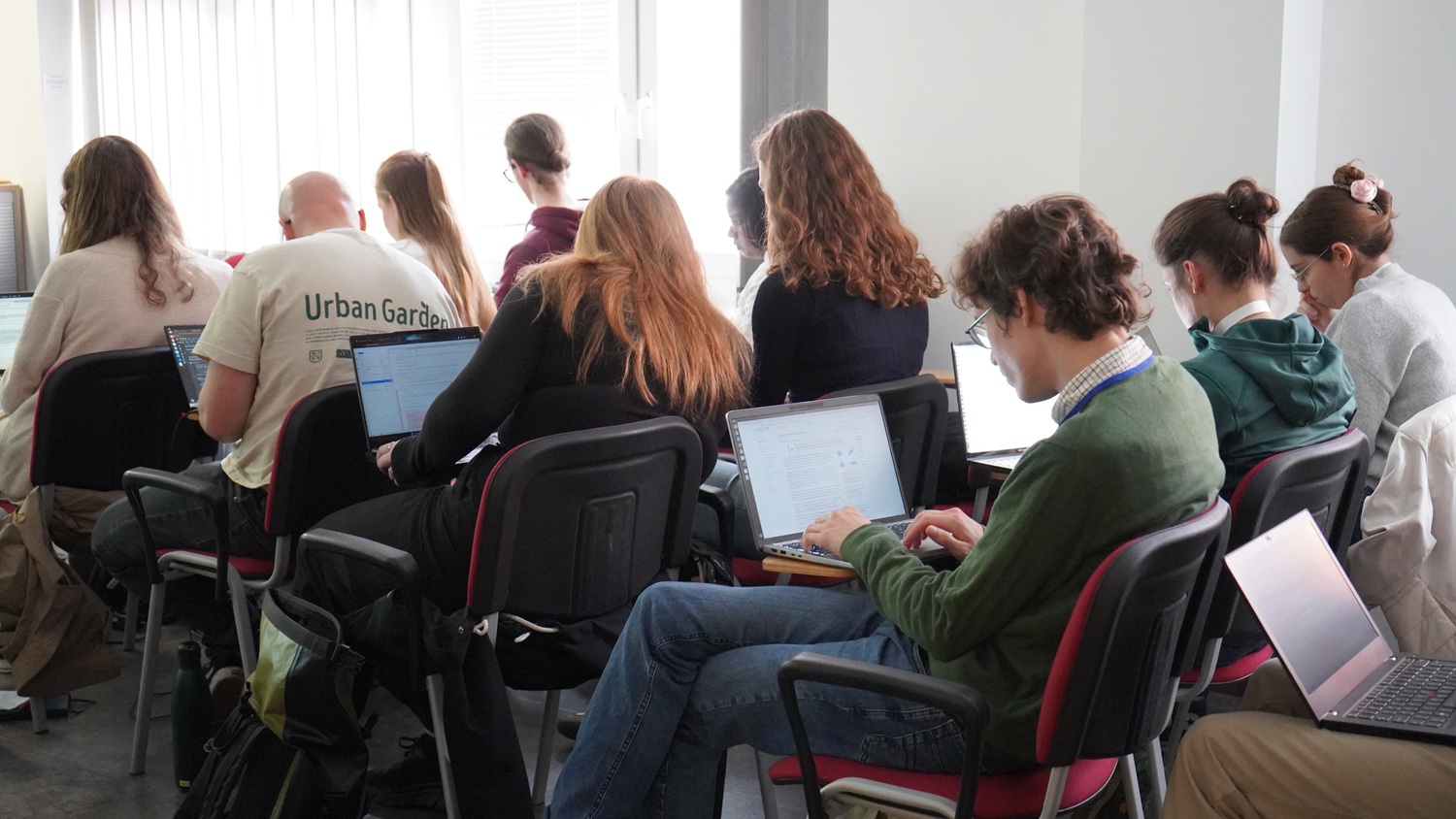
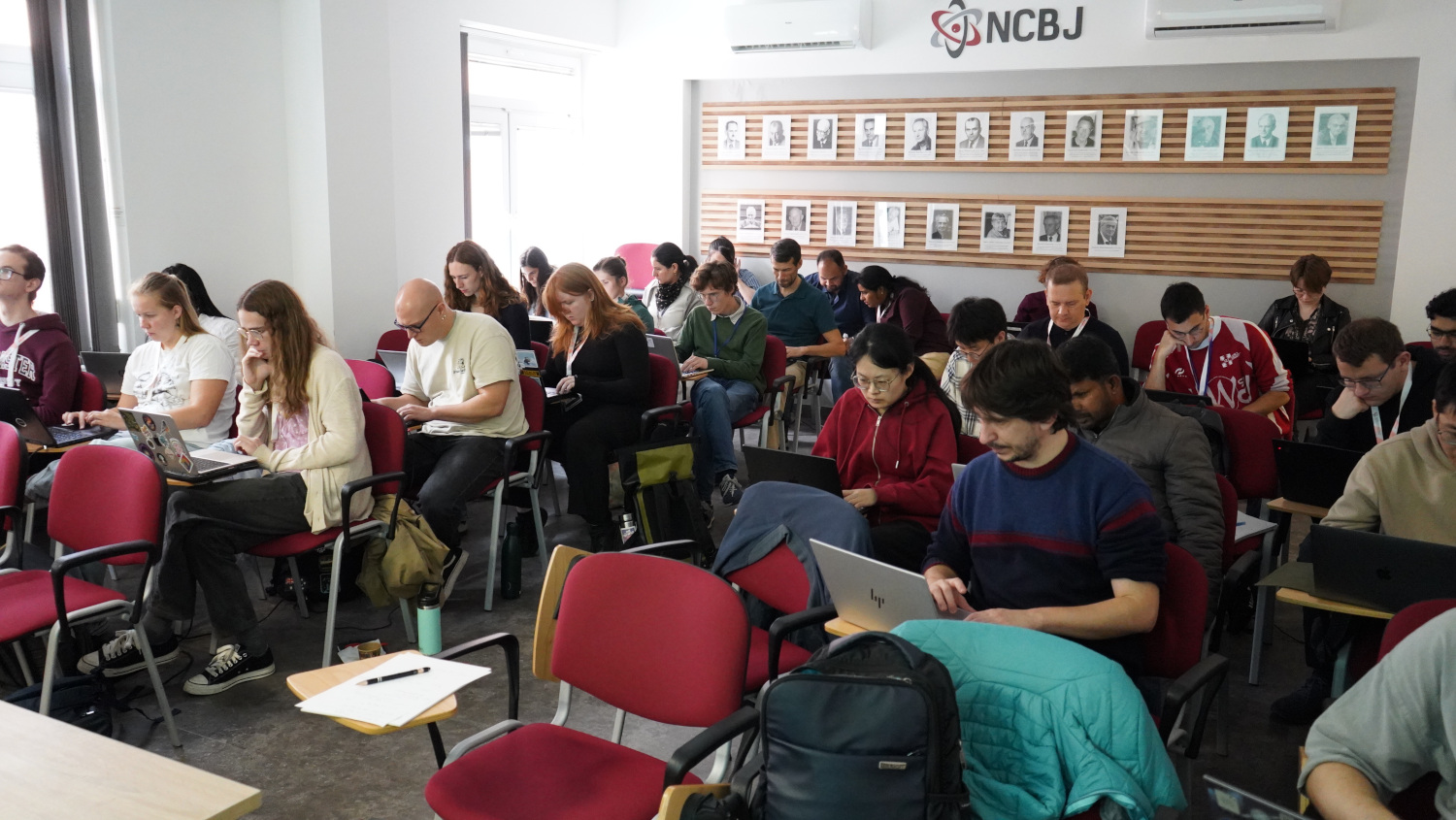
The aim of the workshop was to provide a structured, beginner-friendly introduction to machine learning and advanced statistics in astrophysics, progressing gradually towards more advanced topics. The event combined lectures and practical sessions, during which participants worked on specific astrophysical applications.
The invited speakers included specialists covering a wide range of topics, including the formation and evolution of galaxies, large-scale surveys, time-domain astronomy and transient phenomena, exoplanets, and cosmology.
The sessions enabled participants to understand the main families of machine learning methods used in current astrophysical research, to critically assess when a machine learning-based approach is appropriate, to implement and evaluate simple models on real data, and to recognise common pitfalls such as overfitting, data leakage and biased training datasets.
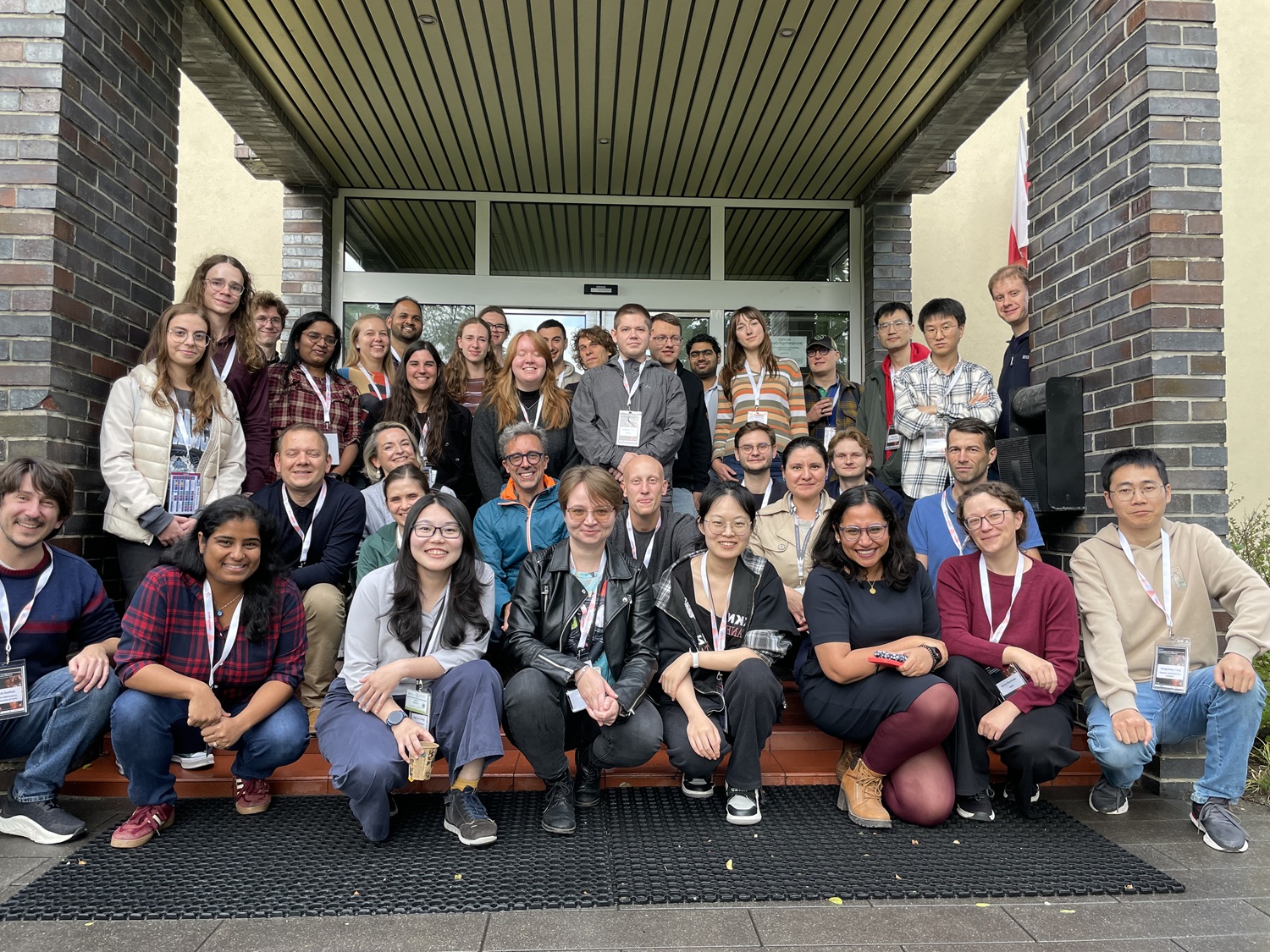
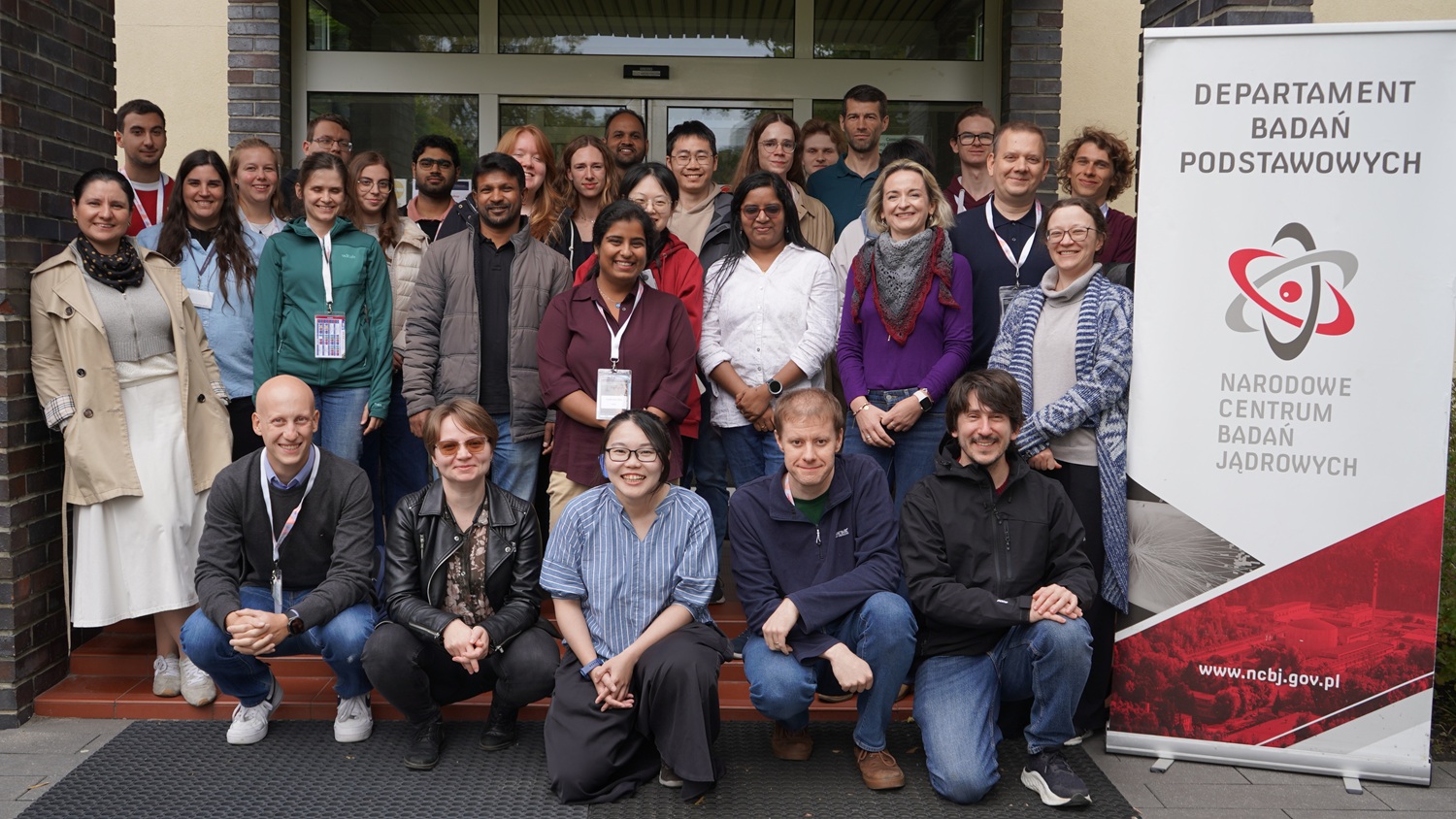
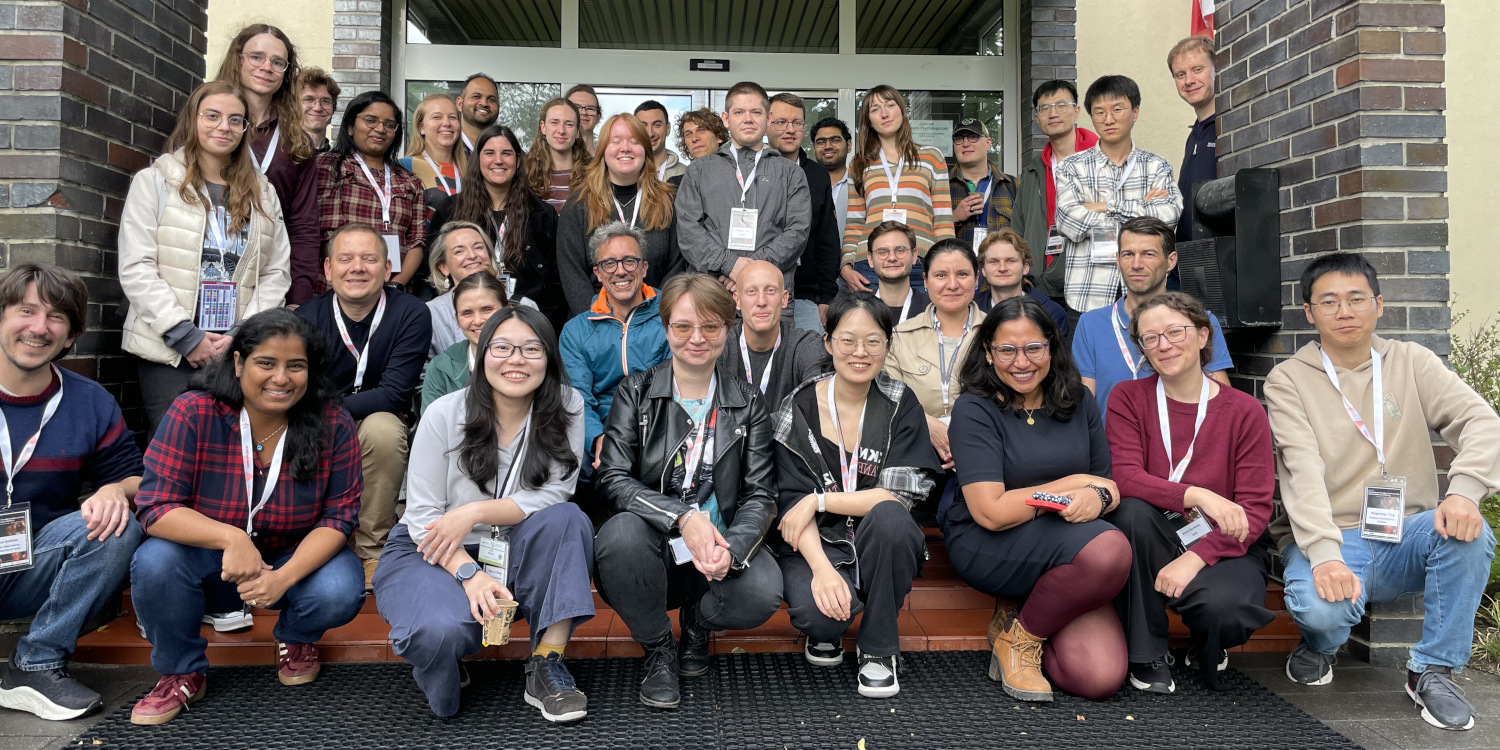
The workshops were aimed primarily at Master’s students, early-stage PhD students and early-career researchers from the NCBJ, the University of Warsaw and partner institutions of the CLEVER project. The event, organised in Warsaw as part of the CLEVER-NAWA partnership, helped to strengthen training and collaboration within the network by bringing together students, early-career researchers and invited experts to provide a practical demonstration of the methods commonly applied in astrophysics.